Compass Pose
Compass is a peak hip and hamstring opener that also rotates the torso open like the needle of a compass. It demands generous hamstring, adductor, and side-body length, so approach it only after the straddle folds feel easy. Move into it slowly and never yank the lifted leg straight.
- Equipment
- Body Weight
- Type
- Stretching, Yoga
- Browse by muscle
- Biceps Femoris, Semitendinosus, Adductor Magnus





- Target
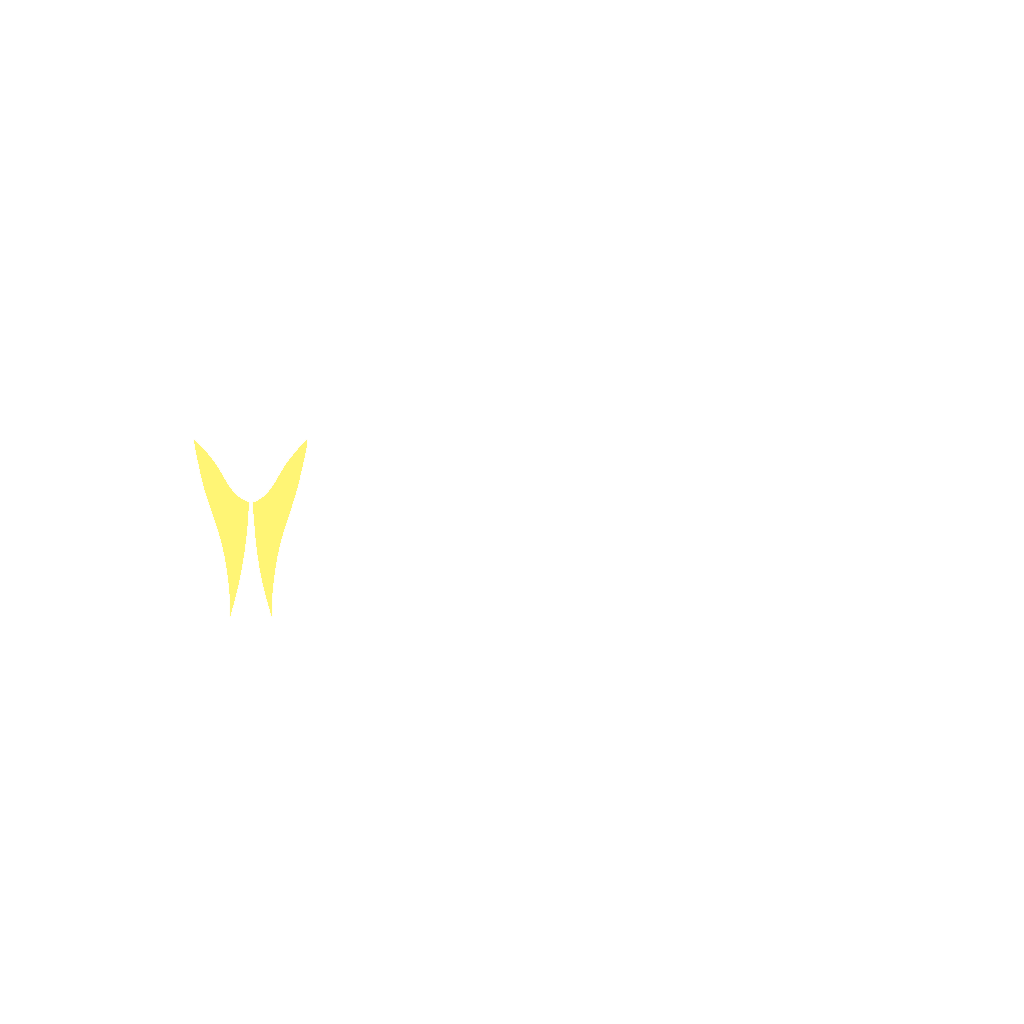
- Biceps Femoris, Semitendinosus, Adductor Magnus
- Secondary
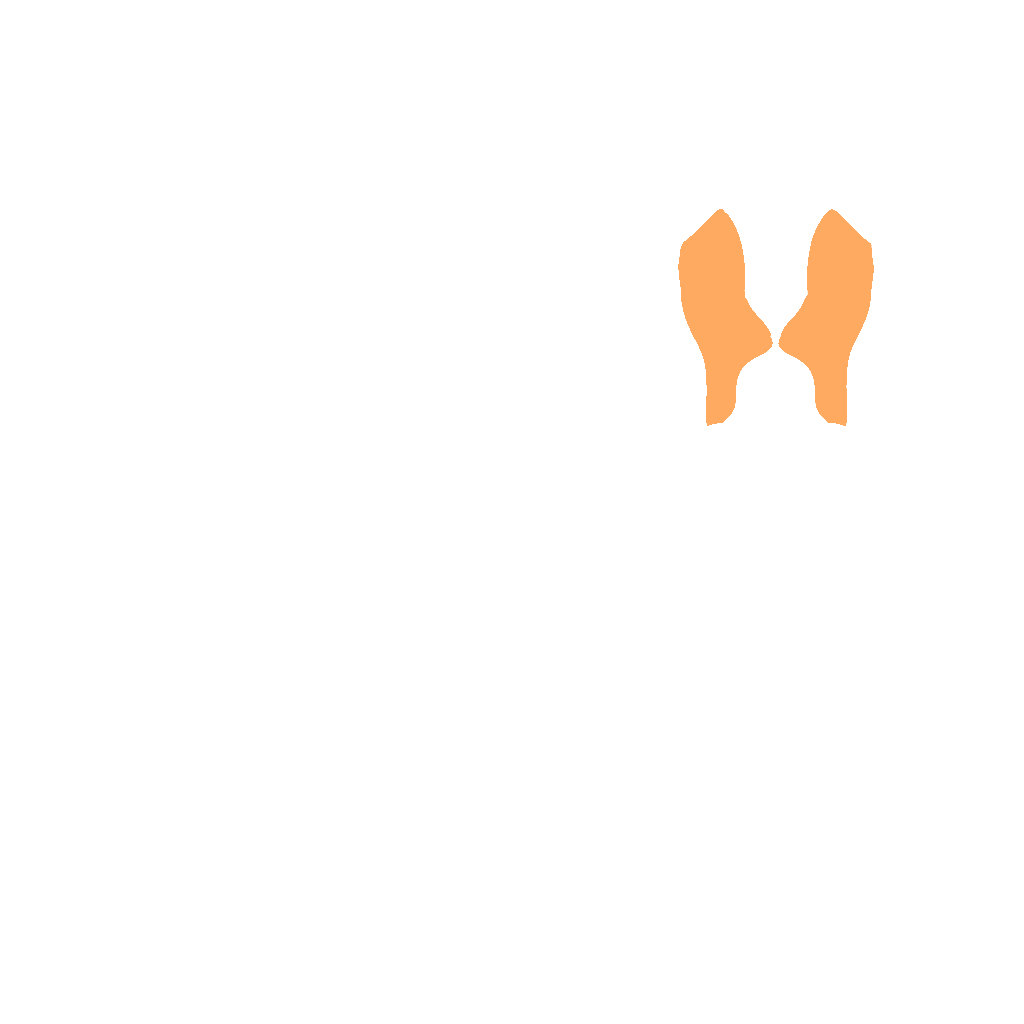
- Abdominal External Oblique, Latissimus Dorsi
- Tertiary
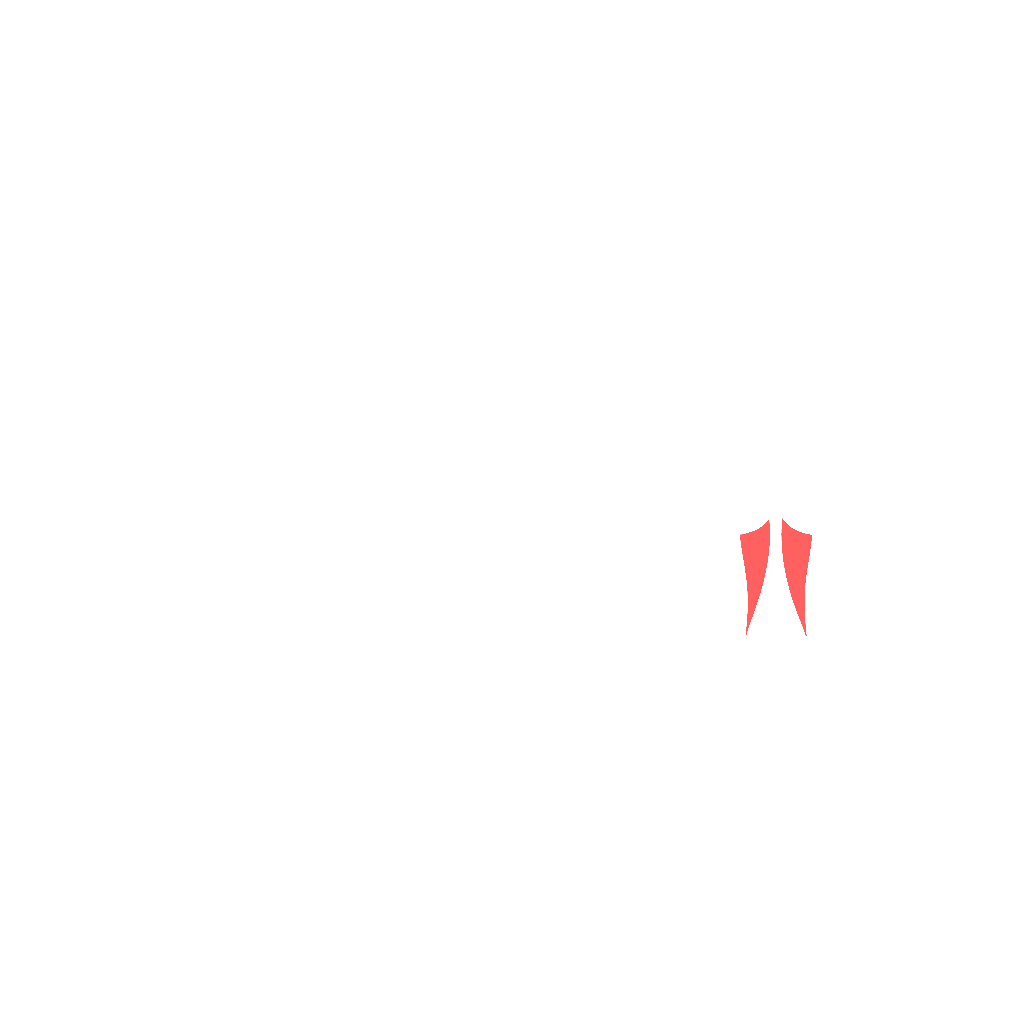
- Adductor Longus
How to do it
- 1
Sit tall and hook one hand under the same-side knee, drawing the thigh toward the shoulder.
- 2
Thread the shoulder under the knee so the upper arm supports the thigh.
- 3
Hold the outer edge of that foot with the opposite hand.
- 4
Press the foot upward and slowly begin to straighten the lifted leg.
- 5
Rotate the chest open toward the sky as the leg extends beside the head.
- 6
Breathe, then bend the knee to release and repeat on the other side.
Tips
- Straighten the top leg only as far as the hamstring allows with the chest still lifting.
- Keep the base sit bone grounded so you rotate open instead of collapsing sideways.
- Back off if the hamstring feels sharp; this pose rewards patience over force.
Variations
Common mistakes
- The shoulder never gets threaded under the knee, so the arm holds the leg up by strength alone and the hamstring is pulled on rather than supported.
- The free hand grabs the arch or the toes instead of the outer edge of the foot, which rolls the ankle and costs you the leverage to press the leg upward.
- Reaching for the foot before the thigh has been drawn high toward the shoulder leaves the hip closed, and the leg then has to straighten through its tightest angle.
- A hard exhale and a yank take the knee straight in one motion, which is exactly how a hamstring gives way near its attachment; extend over several breaths instead.
- The low back slumps to make room for the thigh, so the shape becomes a rounded seated fold with a leg in the way; stack the pelvis upright before threading the shoulder.
Frequently asked
- How long should you hold Compass Pose, and what should you be able to do first?
- Three to five steady breaths per side, one round each, at the very end of a long practice. Before attempting it, you should be able to sit in a wide straddle and fold forward with a flat back, hold the foot of a straight leg overhead while lying down, and sit upright on the floor with both legs long without the pelvis tipping back. If any of those are missing, the pose gets built out of spinal rounding rather than hamstring length. Twice a week is as often as it is worth practicing.
- How do I make Compass Pose easier, and how do I progress toward the full shape?
- Keep the knee bent and thread the shoulder under it, holding the foot with the opposite hand; that stage alone is the work for most people, and it can take months. A strap around the foot lets you press upward without the hand reaching the foot, and sitting on a folded blanket tips the pelvis forward so the spine can stay long. From there, straighten the leg a little further each session, then turn the chest more toward the sky, and last of all bring the leg beside the head.
- What is Compass Pose good for, and when should you skip it?
- It asks the hamstring, the adductor and the side of the torso for length at the same time as the chest rotates open, which is why it lands as a peak pose rather than a daily stretch. Skip it while a hamstring is still sore from a strain, since an end-range loaded hold is the worst place for healing tissue, and skip it when you have anything sharp or electrical running down the back of the leg. It is also a bad use of a cold body at the start of a session.
Related exercises
Other movements among FitRay's 2,000+ exercises that load the same target muscle — same equipment and level first.
- AdvancedBird of Paradise PoseBody Weight · Hamstring · Thighs
- AdvancedControl BalanceBody Weight · Glutes · Hamstring
- AdvancedCossack Lift-OffBody Weight · Glutes · Thighs
- AdvancedHalf-Bound Lotus Seated Forward BendBody Weight · Back · Hamstring
- AdvancedIns and OutsBody Weight · Glutes · Quads
- AdvancedLeg Pull BackBody Weight · Glutes · Hamstring