Extended Side Angle Pose
Extended Side Angle asks the front-leg quad to hold a Warrior II bend while the whole top side of the body lengthens from hip to fingertips. The obliques and standing-side glute quietly stabilize so the torso does not sag toward the floor. It builds isometric leg endurance and teaches you to create length along the side waist rather than collapsing into the bottom ribs.
- Equipment
- Body Weight
- Type
- Stretching, Yoga
- Browse by muscle
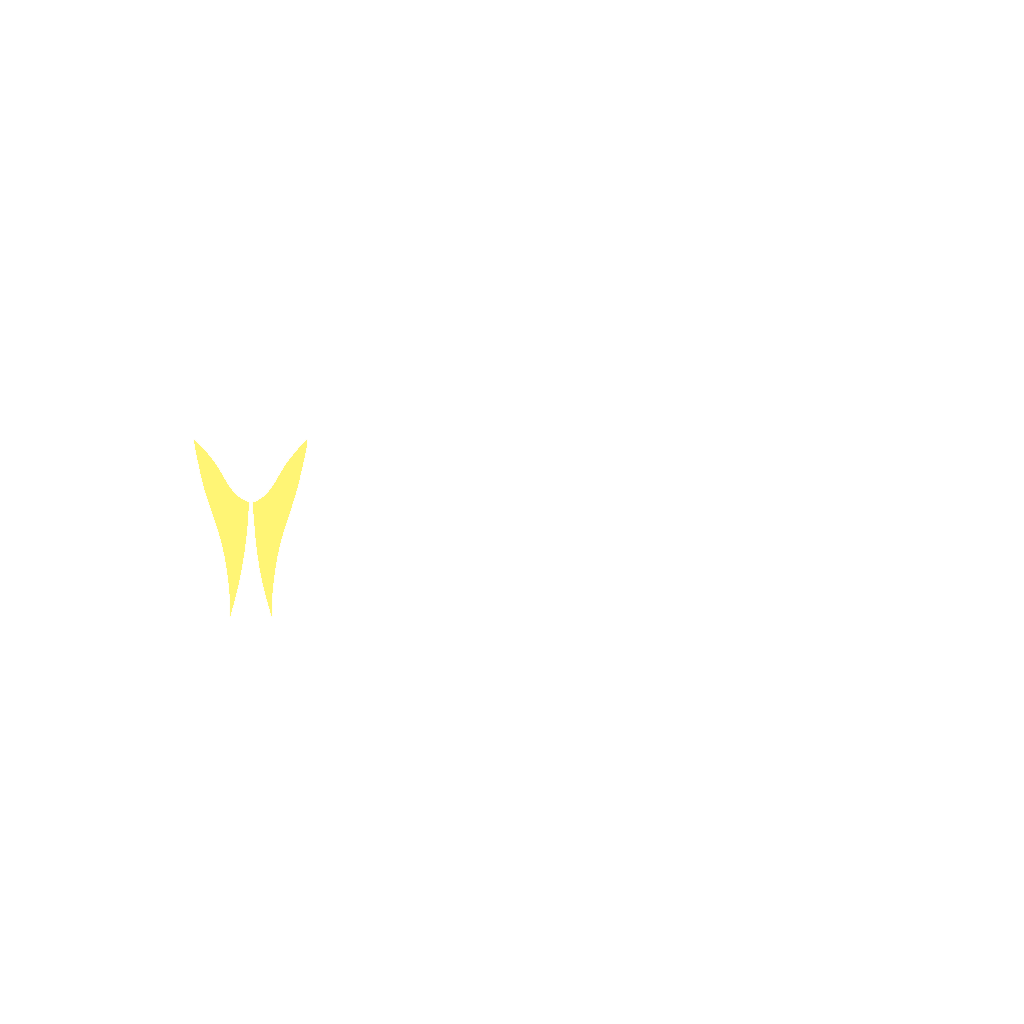
- Rectus Femoris, Vastus Lateralis








- Target
- Rectus Femoris, Vastus Lateralis
- Secondary
- Gluteus Maximus, Gluteus Medius, Abdominal External Oblique
- Tertiary
- Adductor Longus, Deltoid Middle, Erector Spinae
How to do it
- 1
From a wide stance, point the front foot forward and turn the back foot in slightly, pressing its outer edge down.
- 2
Bend the front knee toward 90 degrees, tracking it over the middle toes.
- 3
Lower the front forearm onto the front thigh, or set the front hand to the floor outside the foot.
- 4
Sweep the top arm up and over the ear so it continues the line of the back leg.
- 5
Roll the top ribs and chest open toward the ceiling and gaze past the top hand.
- 6
Hold with steady breath, then rise and switch sides.
Tips
- Keep the front knee stacked over the ankle so it never drifts past the toes.
- Press the back foot's outer edge firmly down to keep the arch from collapsing.
- Reach long from the back heel to the top fingertips instead of dumping weight into the bottom hand.
Variations
Common mistakes
- The front knee caves inward toward the midline instead of tracking over the toes, putting sideways stress on the knee joint.
- Once the torso tires, the chest rolls down toward the floor instead of staying open toward the ceiling, turning the pose into a plain lunge with a stretch.
- Letting the back heel lift off the ground drains stability from the stance and shifts the whole pose onto the front leg alone.
- The neck cranks upward to look past the top hand before the chest has actually opened, straining the neck instead of rotating from the ribs.
Frequently asked
- How long should you hold extended side angle pose when you are new to the exercise?
- Hold for 5 to 8 breaths per side, doing 2 to 3 rounds on each leg, and rest in a neutral stance between sides if the front thigh burns out. Progress by holding longer or lowering the front thigh closer to parallel, not by rushing more rounds.
- How do you make extended side angle pose easier or harder?
- Make it easier by resting the front forearm on the thigh instead of reaching the hand to the floor, or by shortening your stance to reduce the knee bend. Make it harder by lowering the hand to the floor outside the foot, or by binding the arms for bound side angle pose.
- What is extended side angle pose good for?
- It builds isometric leg endurance in the front quad while teaching you to lengthen the side body instead of collapsing into it, useful as part of a standing yoga sequence for strength and mobility. It is a poor choice with acute knee pain, since holding a deep bent-knee stance for several breaths asks a lot of an irritated joint.
Related exercises
Other movements among FitRay's 2,000+ exercises that load the same target muscle — same equipment and level first.
- IntermediateBurpeeBody Weight · Chest · Quads
- Intermediate5-10-5 Pro Agility ShuttleBody Weight · Glutes · Quads
- IntermediateForward Beast CrawlBody Weight · Abs · Shoulder
- IntermediateLunge MatrixBody Weight · Glutes · Quads
- IntermediateSkater JumpBody Weight · Glutes · Quads
- IntermediateVertical JumpBody Weight · Glutes · Quads