Bottoms-Up Kettlebell Carry
Flipping the bell upside down turns a simple carry into a grip and shoulder-stability challenge, because any slack in the hand lets it topple. It teaches you to grip hard and keep the shoulder packed under an unstable load. Use a light bell and prioritize a clean, wobble-free path.
- Equipment
- Kettlebells
- Type
- Balance, Functional, Strength
- Browse by muscle
- Brachioradialis
- Browse by movement
- Carry


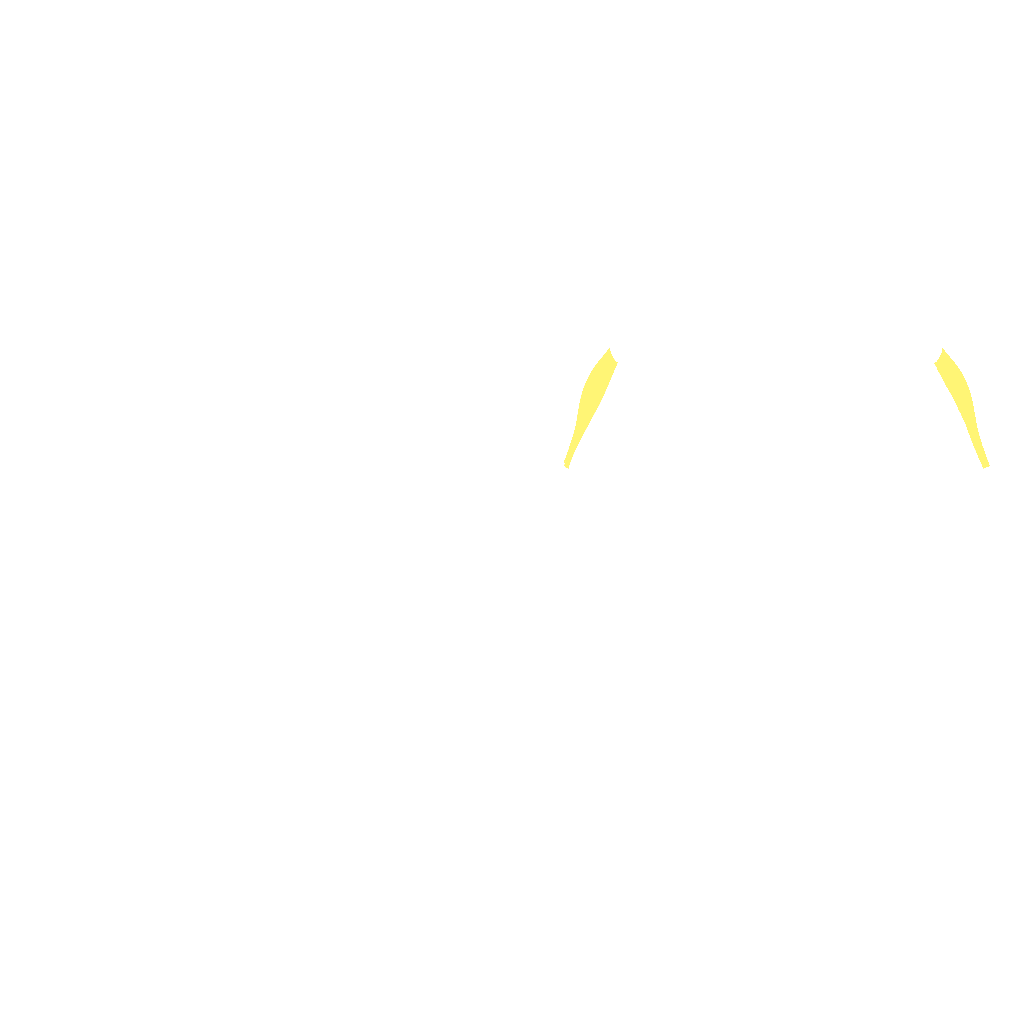



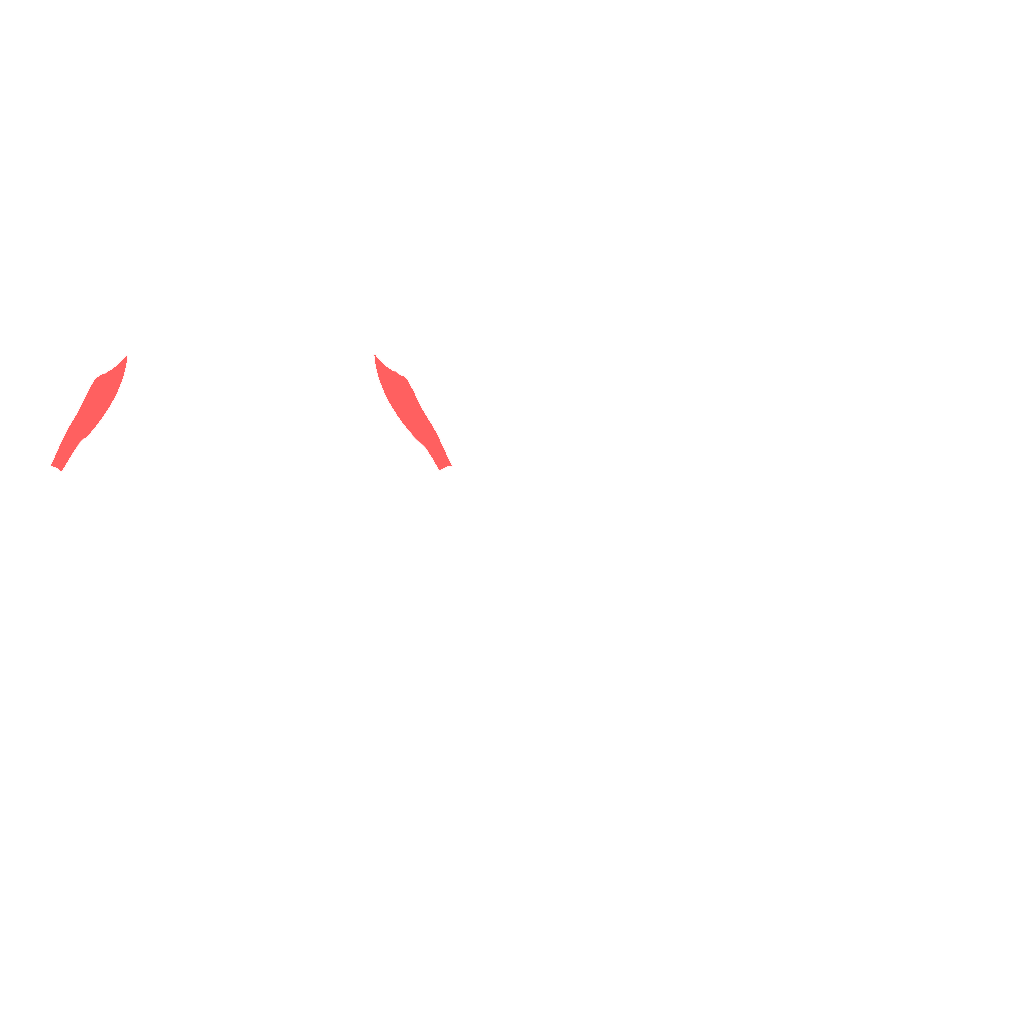
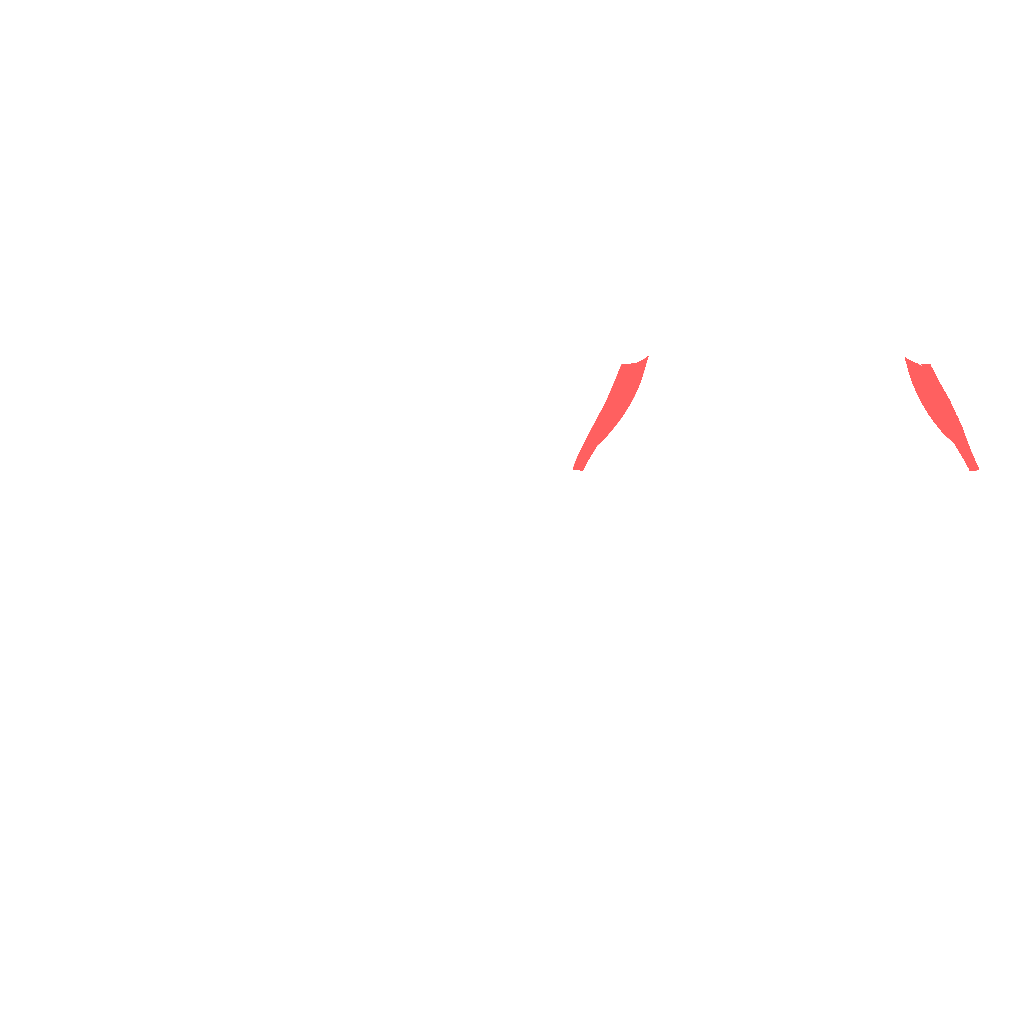
- Target
- Brachioradialis
- Secondary
- Deltoid Anterior, Trapezius Upper
- Tertiary
- Extensors
How to do it
- 1
Clean a light kettlebell to the rack and let it settle bottom-up, handle vertical.
- 2
Grip the handle hard and stack the wrist straight under the bell.
- 3
Set the elbow close to the ribs and pull the shoulder down.
- 4
Brace the trunk and walk with slow, deliberate steps.
- 5
Keep the forearm vertical so the bell stays balanced overhead of the fist.
- 6
Complete the distance, switch hands, and repeat.
Tips
- Crush the handle; a loose grip is what lets the bell tip.
- Keep the wrist dead straight, not cocked back, to balance the load.
- Start lighter than a normal carry since the instability multiplies the difficulty.
Variations
Common mistakes
- The elbow drifts away from the ribs as the steps go on, letting the whole arm wobble instead of staying a stable column under the bell.
- The eyes lock onto the kettlebell instead of looking ahead, making it harder to walk a straight, steady line while balancing the load.
- Speeding up the stride to finish the distance faster shakes the bell loose instead of keeping it stacked over the fist.
- The shoulder on the working side creeps up toward the ear as fatigue sets in, trading a packed, stable shoulder for a shrugged, unstable one.
- The bell gets caught and restacked by hand mid-carry every time it wobbles, instead of correcting the wobble through the grip and wrist.
Frequently asked
- How far or how long should you carry in the bottoms-up kettlebell carry when you are new to the exercise?
- Start with 2 to 3 trips of about 20 to 30 feet per hand using a light kettlebell, resting until your grip fully recovers between trips. Add distance before you ever add weight, since the instability is what makes this hard, not the load.
- What can I do instead of the bottoms-up kettlebell carry without a kettlebell?
- A full water jug held upside down by the handle gives a similar unstable, top-heavy load. A sandbag gripped vertically works too if neither a kettlebell nor a jug is available.
- What is the bottoms-up kettlebell carry good for, and when should I skip it?
- It builds crushing grip strength and an actively stable, packed shoulder under an unstable load, a useful accessory for pressing and grappling. It's a poor choice for a first-time kettlebell user who hasn't built basic grip and rack-position comfort yet, and a poor pick for anyone with wrist pain, since the wrist has to fight the bell's tip the entire carry.
Related exercises
Other movements among FitRay's 2,000+ exercises that load the same target muscle — same equipment and level first.
- AdvancedKettlebell Bottoms-Up Overhead CarryKettlebells · Forearms · Shoulder
- IntermediateThick-Bar Farmer's CarryDumbbell · Forearms · Traps
- IntermediateTrap-Bar CarryTrap Bar · Forearms · Traps
- IntermediateOffset Farmer's CarryDumbbell · Abs · Forearms
- IntermediatePlate Pinch CarryPlate · Forearms
- IntermediateSingle-Arm Plate Pinch CarryPlate · Abs · Forearms