Thick-Bar Farmer's Carry
Adding a fat handle to the classic farmer's walk makes the open-hand grip the limiting factor, driving huge time under tension for the whole forearm. It also loads the upper traps and bracing muscles as you keep the torso tall under load. Use it as a finisher for grip, or as a standalone carry when you want thicker, more durable hands.
- Equipment
- Dumbbell
- Type
- Functional, Strength
- Browse by muscle
- Brachioradialis, Extensors
- Browse by movement
- Carry





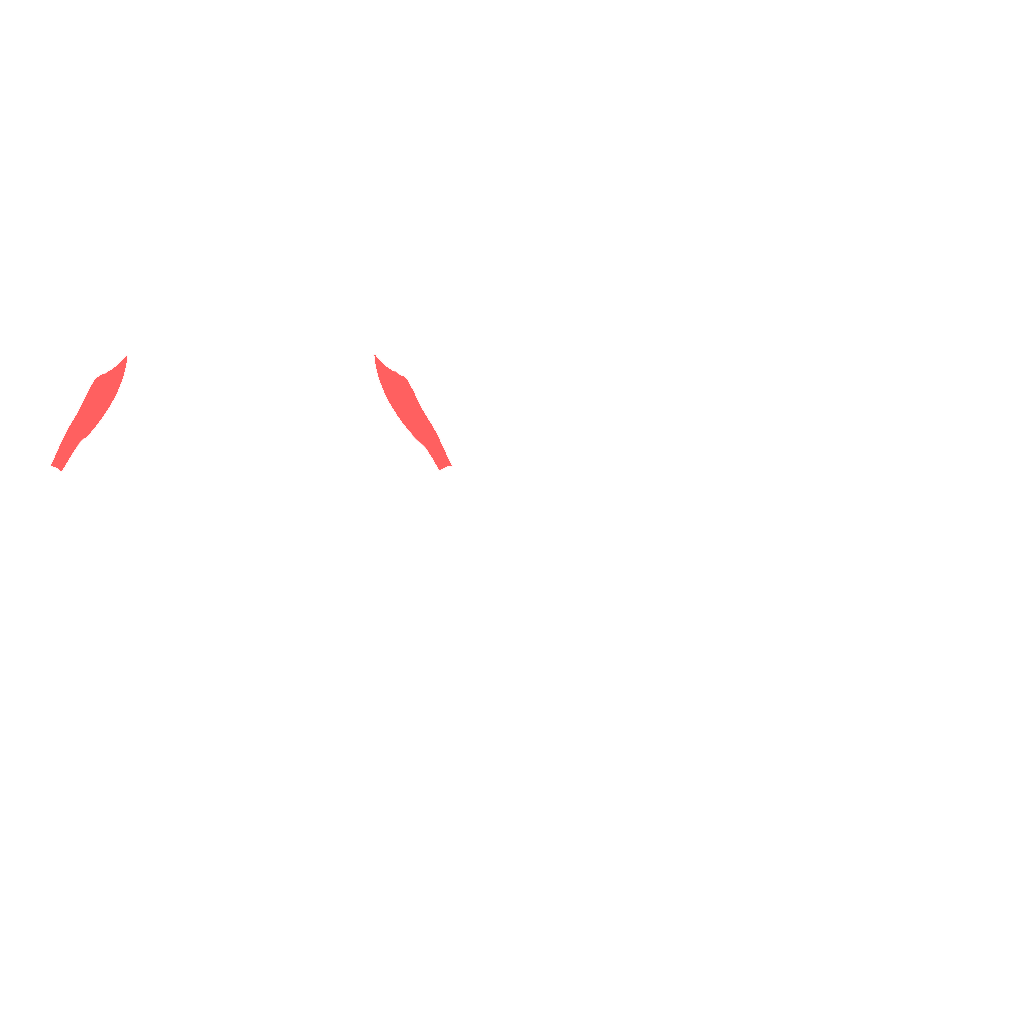
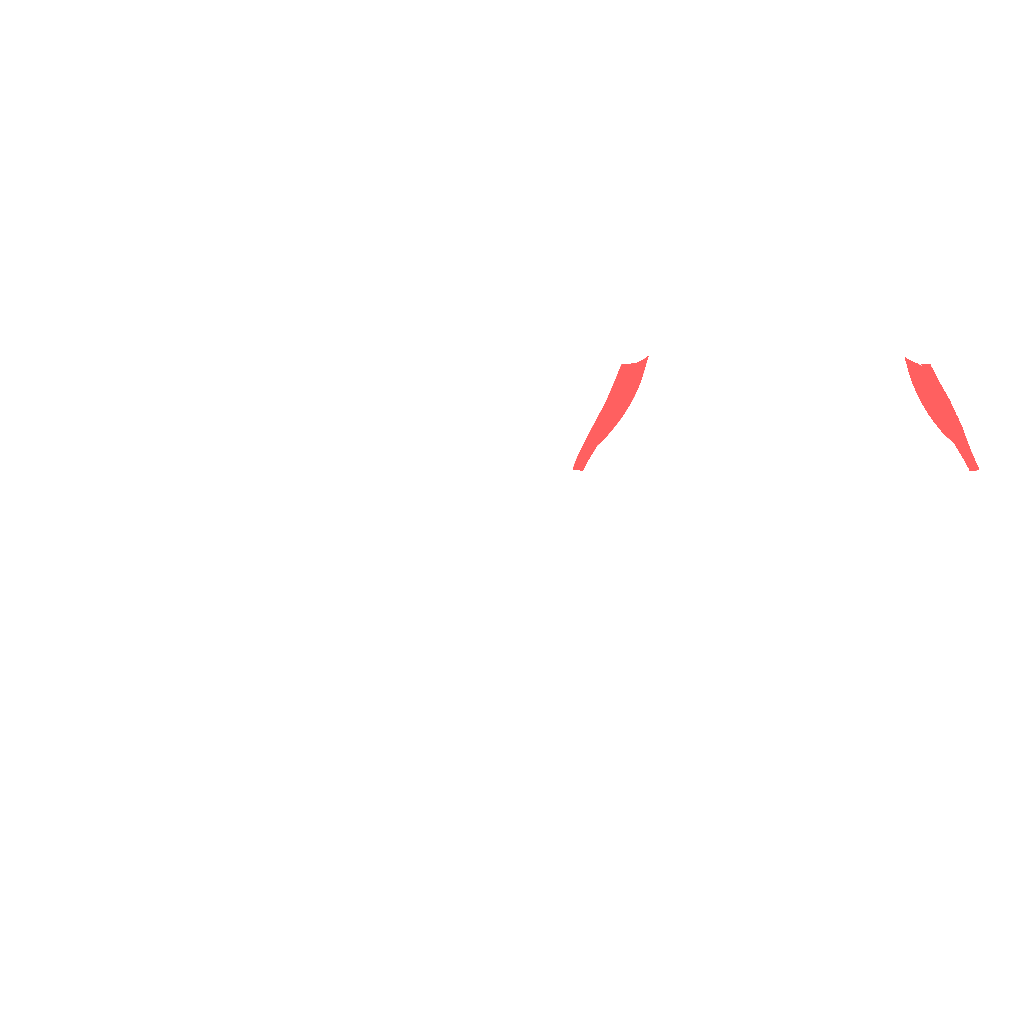
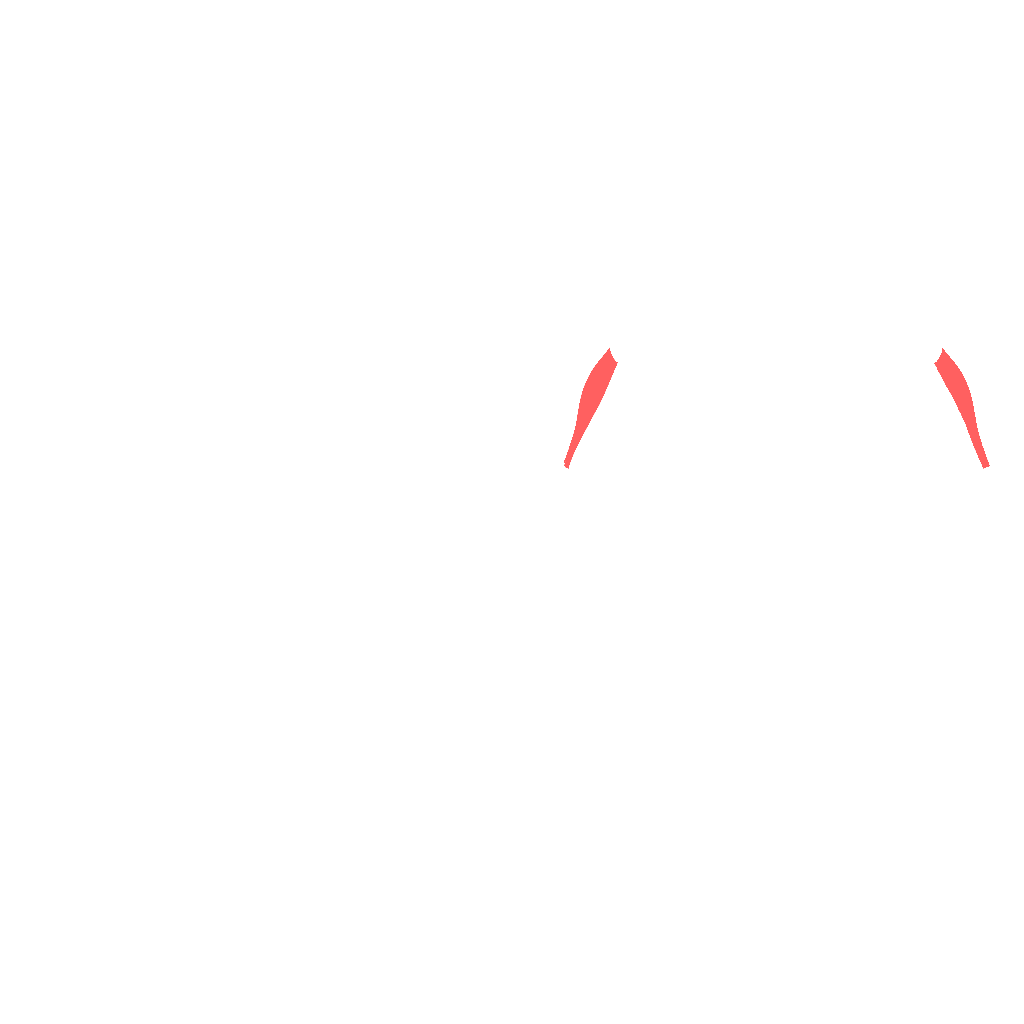
- Target
- Brachioradialis, Extensors
- Secondary
- Trapezius Upper
- Tertiary
- Erector Spinae
How to do it
- 1
Fit thick grips to a pair of dumbbells or use fat-handled implements set beside your feet.
- 2
Hinge down, take a firm neutral grip, and stand up by driving through the legs.
- 3
Set the shoulders back and down, brace the trunk, and keep the arms straight.
- 4
Walk with short, controlled steps for a set distance or time without rushing.
- 5
Set the weights down under control when your grip starts to fail.
- 6
Keep breathing steadily; do not hold your breath for the whole walk.
Tips
- Crush the handles rather than letting them roll to the fingertips.
- Stop the set when the bar starts to slip, not after it has already dropped.
- Keep the ribs down and shoulders packed so the load does not pull you forward.
Variations
Common mistakes
- Carrying over the load from your normal handles is the usual error, since a fat grip can cut what the hands hold by a third or more, so the set ends in a drop rather than a finish.
- The thumbs cannot wrap all the way around a thick handle, and people react by clinging on with a half-open hand; accept the open grip and crush with the palm rather than chasing a lock.
- Breath gets held for the entire walk because the grip effort feels maximal, which spikes pressure and shortens the set. Breathe in short, steady cycles the whole way.
- Wrists roll backward as the handle slides toward the fingers, and the walk then ends from a wrist angle rather than from honest forearm fatigue.
- Straps or hooks get added the moment the hands start to fail, which removes the only stimulus the thick handle exists to provide.
Frequently asked
- How long should a thick-bar farmer's carry set last when you are new to the exercise?
- Work in time rather than distance: 4 or 5 walks of 20 to 30 seconds, resting about 90 seconds so the hands recover. Load it so the grip is clearly the limit and you set the weights down a second or two before they would have slipped. Add five seconds a week before you touch the load, since forearm endurance improves faster than the tendons tolerate jumps in weight.
- What can I use instead of a thick-bar farmer's carry if I have no fat grips?
- Wrap a folded towel around each handle and tape it, or carry a pair of plates held by the smooth rim in a pinch grip, since both force the hand into the same open position. A length of thick pipe slid over a dumbbell handle works as well. With none of that available, a normal heavy carry followed by bar hangs gets close.
- Why train the thick-bar farmer's carry instead of a normal one?
- The fat handle moves the limit from the traps and trunk to the fingers, thumb and forearm flexors, so it is the version to pick when grip is what fails on deadlifts, pull-ups or rope work. It is a poor choice when you want heavy trunk and upper-back loading, because the hands quit long before the torso is challenged, and it is rough on anyone with elbow tendon pain, since the open-hand crush loads that tissue hard.
Related exercises
Other movements among FitRay's 2,000+ exercises that load the same target muscle — same equipment and level first.
- IntermediateOffset Farmer's CarryDumbbell · Abs · Forearms
- IntermediateTowel Farmer's CarryDumbbell · Forearms
- IntermediateTrap-Bar CarryTrap Bar · Forearms · Traps
- IntermediateBottoms-Up Kettlebell CarryKettlebells · Forearms · Shoulder
- IntermediatePlate Pinch CarryPlate · Forearms
- IntermediateSingle-Arm Plate Pinch CarryPlate · Abs · Forearms