Cable Single-Arm Snatch
Starting in a partial hinge, you drive the hips and pull the handle in one continuous line from low to overhead, catching it with a strong lockout. It develops full-body power and the hip-to-shoulder coordination that transfers to sport, with the cable giving a smoother arc than a free weight. Save it for experienced trainees who can hinge and press well, and keep the load light and fast.
- Equipment
- Cables
- Type
- Functional, Strength
- Browse by muscle
- Deltoid Anterior, Deltoid Middle, Trapezius Upper
- Browse by movement
- Hinge







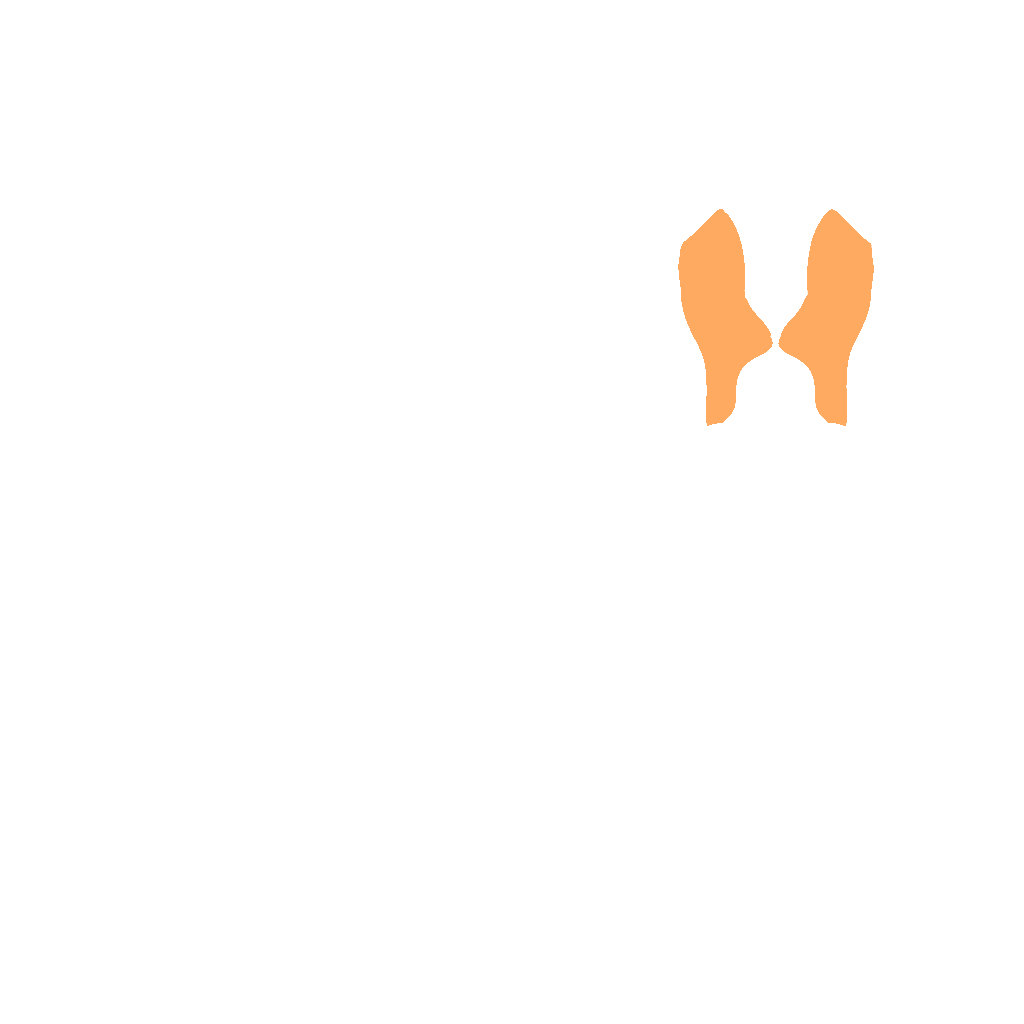




- Target
- Deltoid Anterior, Deltoid Middle, Trapezius Upper
- Secondary
- Gluteus Maximus, Erector Spinae, Biceps Femoris, Latissimus Dorsi
- Tertiary
- Rectus Femoris, Triceps Brachii Long Head
How to do it
- 1
Set a low pulley and grip the handle in one hand, hips hinged and the handle near the floor.
- 2
Brace your trunk, keep your back flat, and load the hips like the bottom of a deadlift.
- 3
Explode by extending the hips and knees, pulling the handle up close to your body.
- 4
As the handle rises, punch the arm through to lock out directly overhead.
- 5
Lower the handle under control back into the hinge for the next rep.
- 6
Complete all reps on one arm, then switch.
Tips
- Drive the movement with the hips; the arm guides rather than muscles the weight up.
- Keep the handle path close to your body to stay efficient and safe.
- Start light and prioritize a crisp overhead lockout over load.
Variations
Common mistakes
- Standing too far from the pulley flattens the cable's angle, so it pulls you toward the stack and the arm takes over before the hips finish extending.
- Because the cable never rests on the floor like a free weight, rushing straight into the next rep skips reloading the hip hinge each time.
- Twisting the trunk toward the working arm at lockout lets the shoulder rotate instead of staying square over a stable base.
- A heavier load added before the lockout is crisp turns a fast, precise pull into a slow grind that the cable's steady resistance will happily let you get away with.
Frequently asked
- How many reps of the cable single-arm snatch should you do per arm when you are new to the exercise?
- 4 sets of 5 to 6 reps per arm with a light stack is a good start, resting enough that every rep stays crisp. Add weight only once the lockout looks the same on rep 6 as it did on rep 1.
- What can you do instead of the cable single-arm snatch with no cable machine?
- A dumbbell or kettlebell snatch trains the same hip-to-overhead line without a cable station, though you will need to reload each rep from the floor since neither offers the cable's constant tension.
- What is the cable single-arm snatch good for and when should you skip it?
- It suits experienced trainees polishing hip-to-shoulder power transfer, since the cable's fixed arc removes some of the balance demands of a free weight. It is a poor starting point if you cannot already hinge and press with good control, because the constant tension will mask sloppy technique rather than expose it.
Related exercises
Other movements among FitRay's 2,000+ exercises that load the same target muscle — same equipment and level first.
- AdvancedBarbell ComplexBarbell · Back · Shoulder
- AdvancedClean and JerkBarbell · Glutes · Shoulder
- AdvancedKettlebell Armor-Building ComplexKettlebells · Quads · Shoulder
- AdvancedBarbell High PullBarbell · Shoulder · Traps
- AdvancedBear ComplexBarbell · Quads · Shoulder
- AdvancedClean High PullBarbell · Glutes · Traps