Cossack Squat
The Cossack squat blends adductor strength with serious hip mobility and single-leg control. As you sink to one side, the bent leg's quads and glutes drive the movement while the straight leg's adductors are loaded in a deep stretch. It exposes and fixes side-to-side asymmetries, making it a favorite for athletes and lifters chasing better hip range.
- Equipment
- Body Weight, Kettlebells
- Type
- Balance, Strength
- Browse by muscle
- Adductor Magnus, Adductor Longus, Vastus Lateralis
- Browse by movement
- Squat



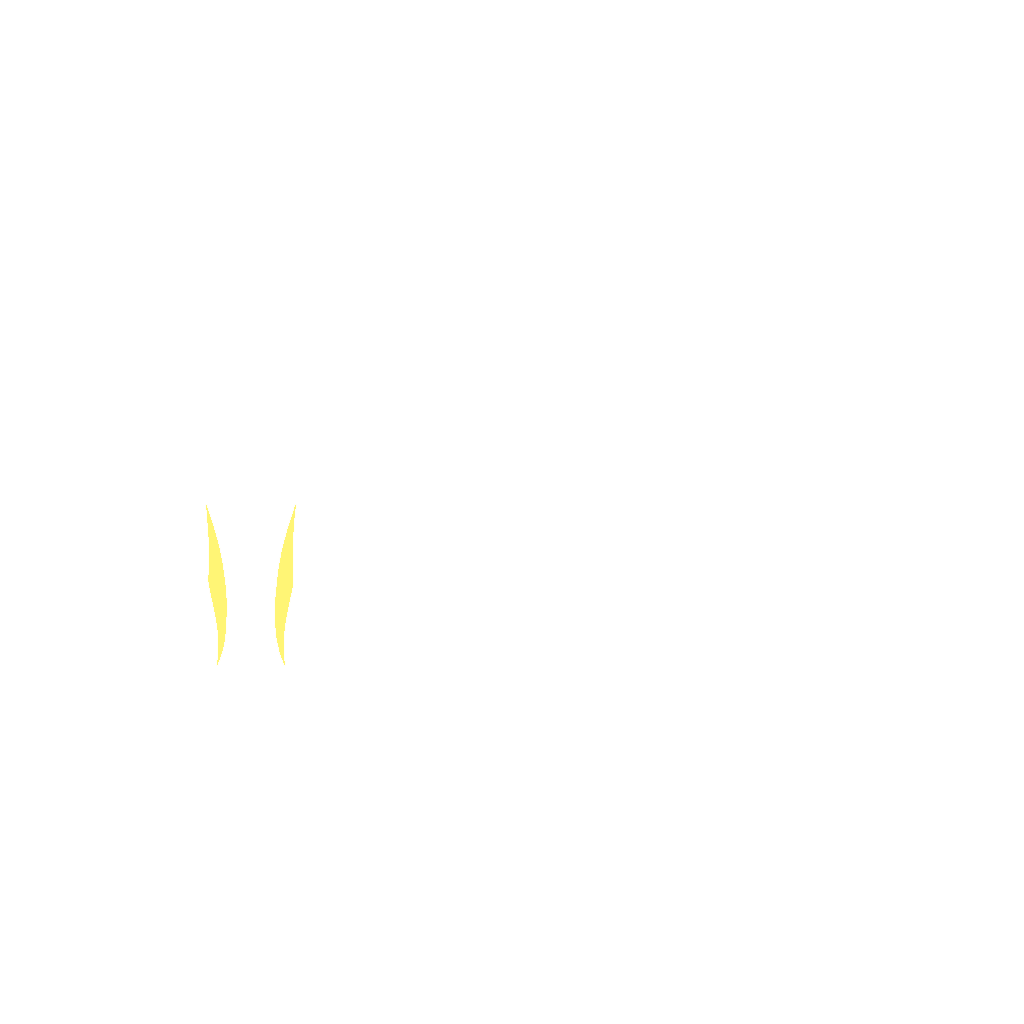


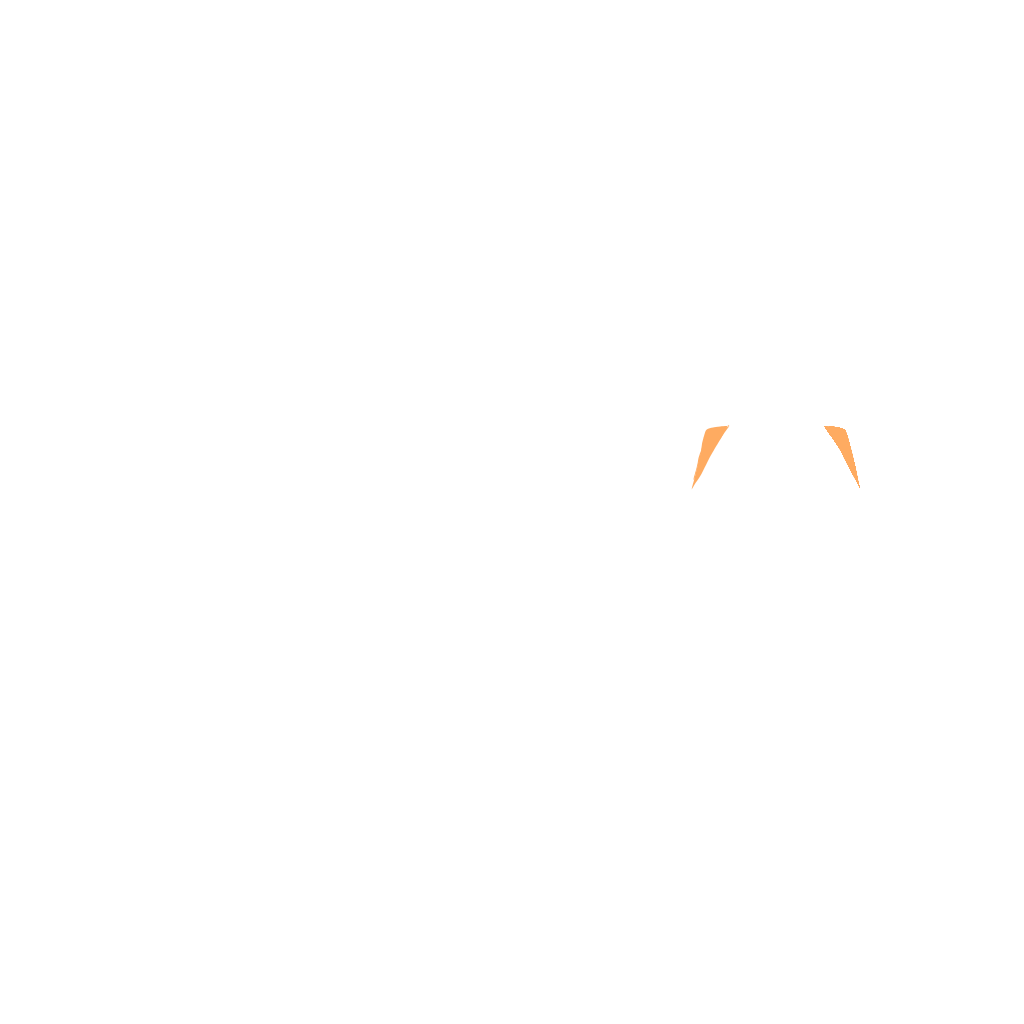
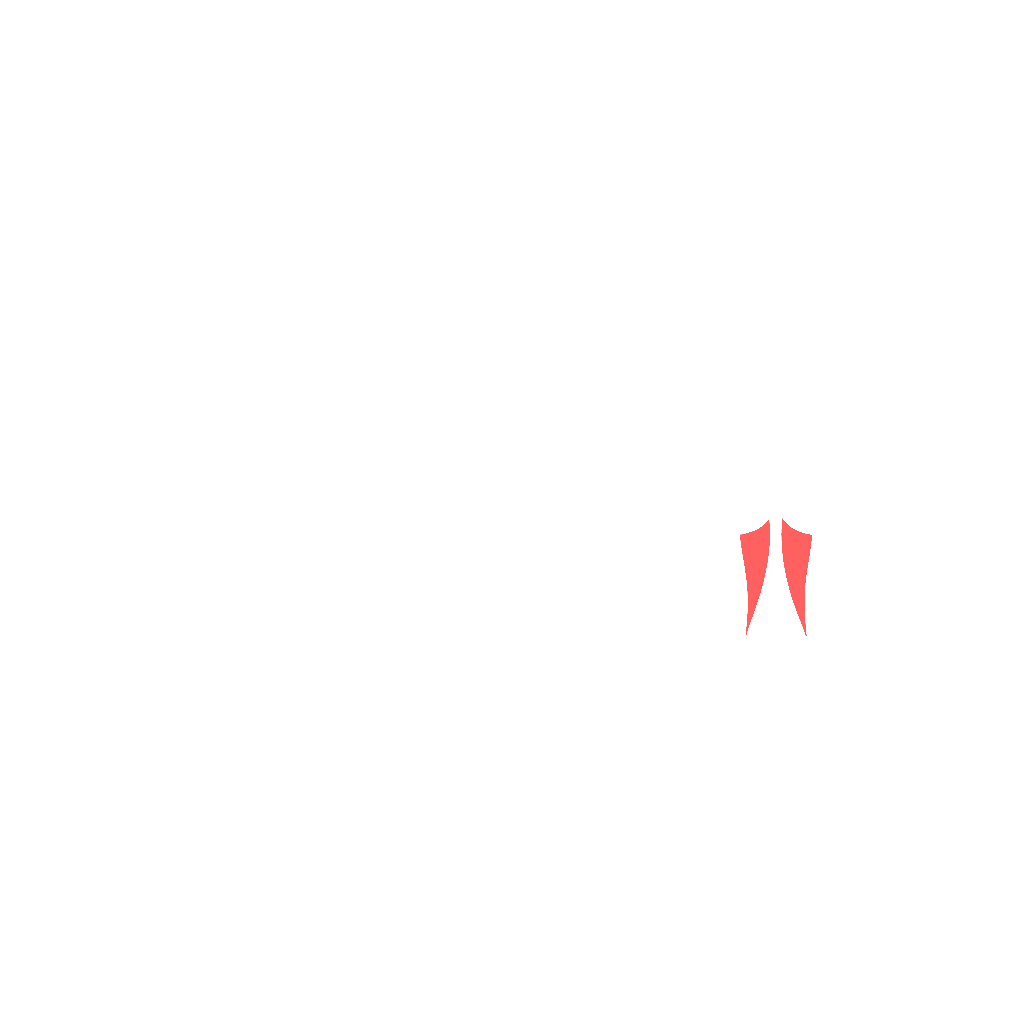
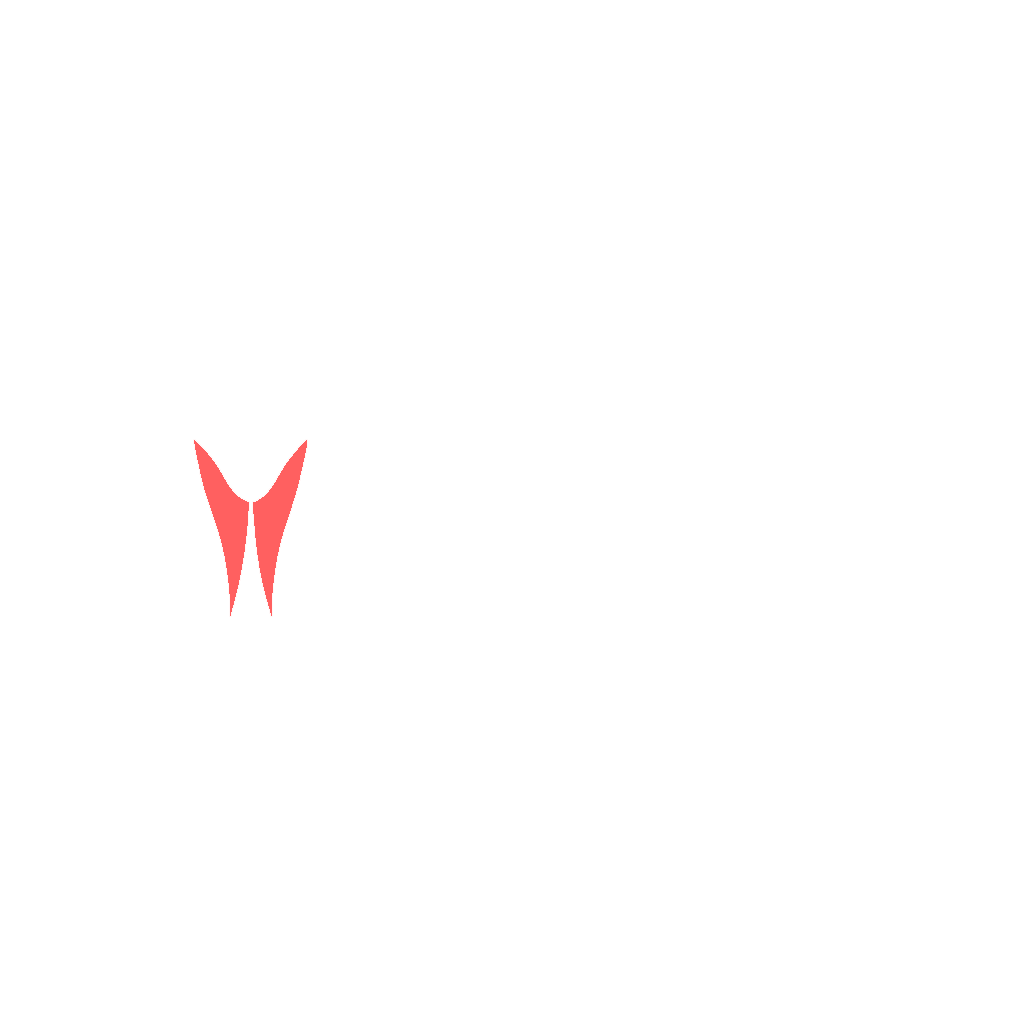

- Target
- Adductor Magnus, Adductor Longus, Vastus Lateralis
- Secondary
- Gluteus Maximus, Rectus Femoris, Gluteus Medius
- Tertiary
- Erector Spinae, Sartorius
How to do it
- 1
Stand in a wide stance with your feet roughly double shoulder width.
- 2
Hold a light weight at your chest for a counterbalance if desired.
- 3
Shift your weight to one side and sit down over that leg.
- 4
Keep the opposite leg straight with the toes up as it extends into a stretch.
- 5
Descend as low as your mobility allows while keeping your heel down.
- 6
Push back up to center under control, then repeat to the other side.
Tips
- Keep the heel of the bent leg planted; let the foot of the straight leg rotate up.
- Only go as deep as you can control without your lower back rounding hard.
- Widen your stance gradually as your hip mobility improves.
Variations
Common mistakes
- Falling backward at the bottom is the usual failure, and the cause is nearly always ankle range on the bent side; hold a light weight in front of you or put a small plate under that heel while the ankle catches up.
- The straight leg is left with a soft knee, so the inner thigh never reaches a real stretch, which is the half of this movement most people are actually missing.
- Both hands drop to the floor for balance and the torso folds over the thigh, at which point the drill is a stretch rather than a squat you could load later.
- Depth on one side gets copied to the other even though hips are rarely equal; run the tighter side first and match the looser side to it so the gap closes over time.
- The toes of the bent leg point dead ahead while the hip wants them turned out slightly, which pinches the front of the hip at the bottom of the range.
Frequently asked
- How many sets and reps of the Cossack squat should you do when you are new to the exercise?
- Two to three sets of 5 to 8 reps per side, moving slowly, is enough while you are still finding depth. Treat every rep as its own attempt rather than rushing a count, and finish the set while the heel is still flat. Two or three times a week suits it, either as hip preparation before lower-body work or as a standalone mobility session.
- How do I make the Cossack squat easier or harder?
- Easier: raise the working heel on a small plate, narrow the stance a little, hold a doorframe or a strap for support, or sit down to a box set at the depth you can control. Harder: hold a kettlebell at your chest, pause three seconds at the bottom, take a slower descent, or widen the stance a few centimetres at a time. Depth and control come before load in every case.
- What is the Cossack squat good for, and who should avoid it?
- It builds adductor strength at long lengths, opens the hips, and exposes side-to-side differences, which is why athletes and lifters with tight hips use it. It is a poor choice if your knee complains in deep flexion, since the bent leg sits at the very end of its range under body weight. It is also not a quad builder; a squat or a split squat will do far more for leg size.
Related exercises
Other movements among FitRay's 2,000+ exercises that load the same target muscle — same equipment and level first.
- IntermediateBurpeeBody Weight · Chest · Quads
- IntermediateKettlebell Clean-Squat-Press FlowKettlebells · Quads · Shoulder
- IntermediateSumo SquatDumbbell · Kettlebells · Glutes
- IntermediateVertical JumpBody Weight · Glutes · Quads
- Intermediate180-Degree JumpBody Weight · Glutes · Quads
- IntermediateApe ReachBody Weight · Quads · Shoulder