Counterbalance Pistol Squat
Holding a small plate or light dumbbell in front shifts your center of mass forward, which lets you sit deep on one leg without tipping backward. It is one of the most reliable ways to learn the full pistol pattern before you can balance empty-handed. Reduce the counterweight over time as your control improves.
- Equipment
- Body Weight
- Type
- Balance, Strength
- Browse by muscle
- Rectus Femoris, Vastus Lateralis
- Browse by movement
- Squat



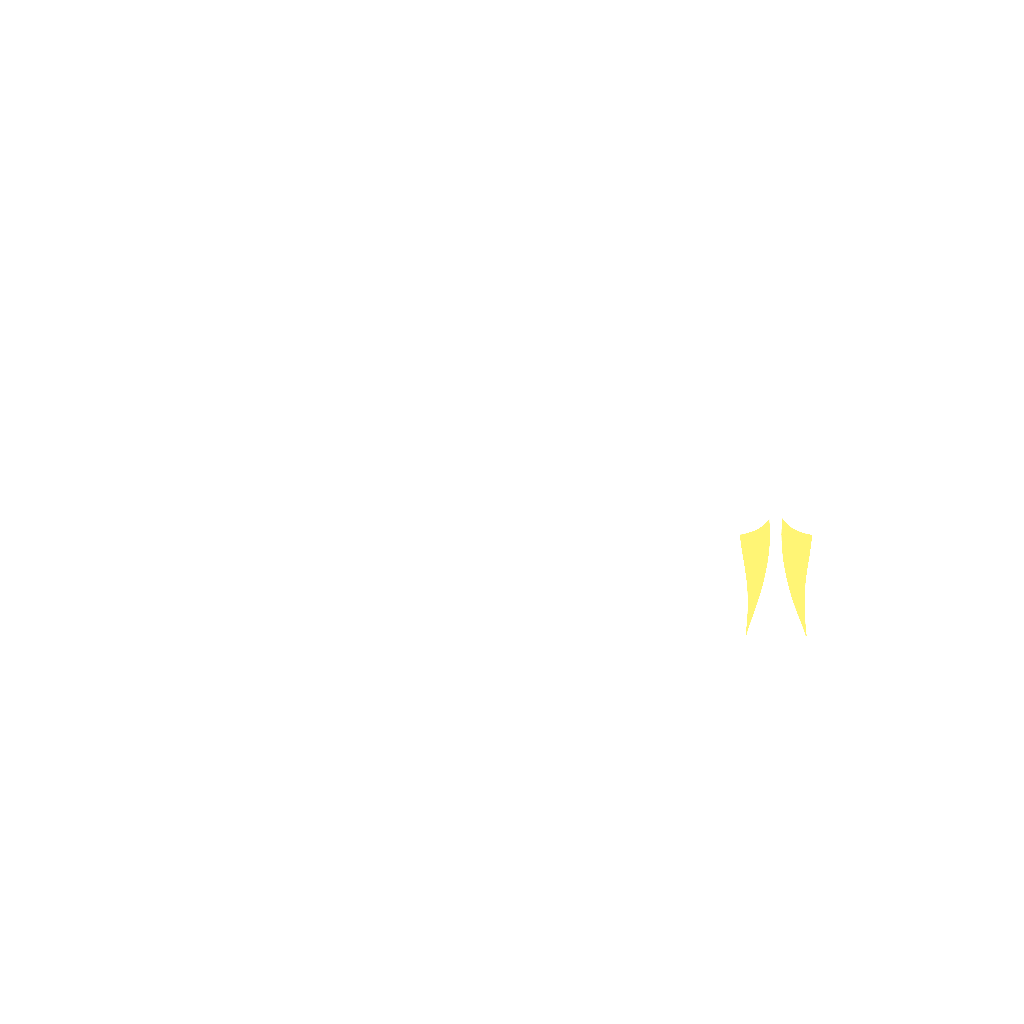





- Target
- Rectus Femoris, Vastus Lateralis
- Secondary
- Gluteus Maximus
- Tertiary
- Gluteus Medius, Adductor Magnus, Erector Spinae, Lower Rectus Abdominals
How to do it
- 1
Stand on one foot and hold a light plate or dumbbell at arm's length in front of your chest.
- 2
Extend the free leg forward and reach the weight out to counterbalance.
- 3
Sit back and down on the working leg into a full single-leg squat.
- 4
Keep the standing heel flat and the free leg hovering off the floor.
- 5
Drive through the foot to stand, keeping the weight reaching forward the whole time.
Tips
- Let the weight travel forward as you descend; that reach is what keeps you from falling back.
- Start with just a couple of kilos and lighten the load as your balance sharpens.
- Keep the standing knee tracking over the toes rather than caving inward.
Variations
Common mistakes
- The weight gets hugged to the chest instead of held out at arm's length, which adds load without adding any counterbalance at all.
- A heavy dumbbell gets picked up because it was the one on the rack, and ten kilos held out in front fatigues the shoulders long before the working leg is done.
- The elbows bend as the hips reach the bottom and the weight drifts back over the toes, which is the moment the counterbalance stops counting.
- The standing heel lifts as the plate pulls you forward, a sign the weight is doing the balancing that the ankle should be learning.
- The bottom gets bounced because the counterweight makes the descent feel easy, and the knee takes that rebound at full depth.
Frequently asked
- How much weight should I use for the counterbalance pistol squat, and how many reps?
- Two to five kilos is usually enough, held at arm's length; anything heavier is a front raise with a squat attached. Three sets of five to eight reps per leg works well. The progression here runs backward: keep the reps the same and reduce the counterweight over the weeks, until reaching the empty hands forward is all the balance you need.
- What can I use instead of a weight plate for the counterbalance pistol squat?
- A light dumbbell, a kettlebell held by the horns, a medicine ball, two full water bottles, or a small backpack held by the straps all do the same job, since the counterbalance depends on the reach rather than the object. Even reaching both empty arms forward and slightly up shifts your center of mass enough to help. What matters is that it can be held still out in front for the whole rep.
- What is the counterbalance pistol squat good for, and when should I pick something else?
- It is the most direct fix for people whose limit in the pistol is tipping backward rather than leg strength, because the reach forward buys the depth immediately. It is the wrong tool if strength is the actual limit, where box pistols build the position instead. Because the weight slightly changes the balance you are training, wean the load down rather than treating this as the final version.
Related exercises
Other movements among FitRay's 2,000+ exercises that load the same target muscle — same equipment and level first.
- IntermediateBurpeeBody Weight · Chest · Quads
- IntermediateVertical JumpBody Weight · Glutes · Quads
- Intermediate180-Degree JumpBody Weight · Glutes · Quads
- IntermediateApe ReachBody Weight · Quads · Shoulder
- IntermediateAssisted Pistol SquatBody Weight · Glutes · Quads
- IntermediateAssisted Shrimp SquatBody Weight · Glutes · Quads