Dead Hang
Hanging from a pull-up bar is the most accessible grip builder there is, and it doubles as a gentle stretch for the shoulders and lats. It teaches your hands to hold your full bodyweight, which underpins every pulling exercise. Use it as a warm-up or a low-effort finisher any day.
- Equipment
- Pull-Up Bar
- Body part
- Forearms
- Type
- Strength, Stretching
- Browse by muscle
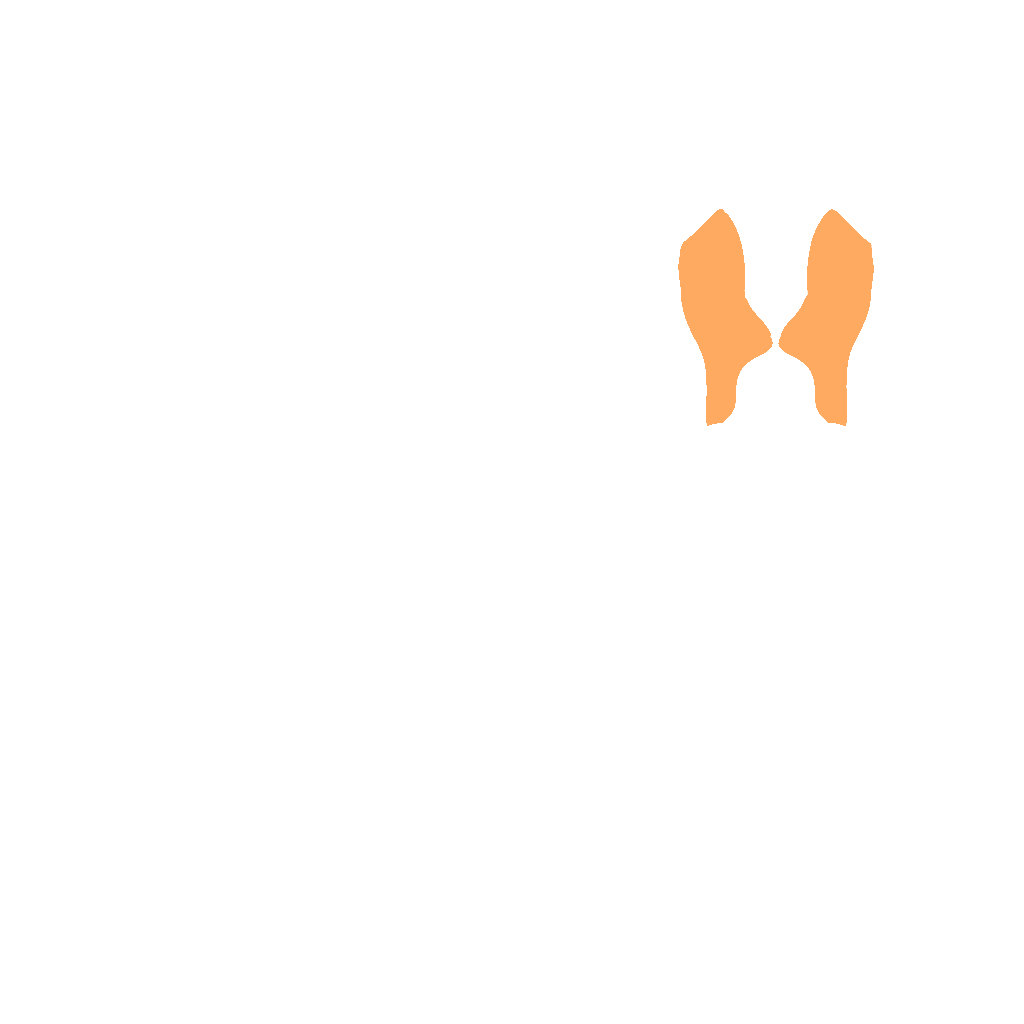
- Extensors


- Target
- Extensors
- Secondary
- Latissimus Dorsi
How to do it
- 1
Reach up and grip a pull-up bar with an overhand, shoulder-width grip.
- 2
Let your feet leave the floor so your bodyweight hangs from your hands.
- 3
Keep your arms straight and your shoulders active rather than fully slumped.
- 4
Relax your neck and breathe steadily as you hang.
- 5
Hold for the target time, then lower your feet to the floor with control.
- 6
Step down before your grip fails completely so you dismount safely.
Tips
- Keep a slight tension through the shoulders instead of hanging like dead weight from the joints.
- Build up your hang time gradually rather than gripping to total failure every set.
- Use a box to reach the bar so you never jump up and jar your hands.
- If your grip is the weak link, that is exactly the point of the drill.
Variations
Common mistakes
- Hooking the thumb over the top of the bar next to the fingers leaves the hand with nothing to close around, so the bar rolls toward the fingertips as you tire.
- A bar gripped across the middle of the palm bunches the skin once your weight settles, which is how calluses tear; set it across the base of the fingers.
- The chin cranes up to watch the bar, tensing a neck that has no job in this hold.
- Once the feet leave the floor most people start swinging and then fight the swing; step off gently, let the body settle, and start the clock after that.
- Ending the hang by opening the hands and dropping onto straight legs jars the ankles, so bring the feet down to the box or floor first.
Frequently asked
- How long should a beginner hang from a bar, and how often?
- Aim for a total of 60 to 90 seconds per session, broken into three to five hangs of 20 to 30 seconds, ending each one with a few seconds still in the tank. Most people can do this several times a week, or even daily, because there is no lowering phase to recover from. Once a single 45-second hang feels comfortable, the next step is not longer hangs but harder ones: one hand, a towel, or added weight.
- How do I make the dead hang easier or harder?
- To make it easier, keep your toes on a box or bench so your legs carry part of your weight, then take that support away a little at a time. To make it harder, hang from one arm, wrap a towel over the bar, add fat grips, or clip a plate to a dip belt. Changing grip width alters very little; what changes the difficulty is how much weight the hands carry and how thick or unstable the thing you are holding is.
- What is the dead hang good for?
- It builds the grip endurance that underpins pull-ups, rows and deadlifts, and it gives the shoulders and lats a gentle stretch at the same time. Beginners can use it as a first pull-up bar drill, experienced lifters as a cheap finisher. It is a poor choice if hanging provokes shoulder pain or if your shoulder is unstable, since the joint sits at the end of its range. It also stops building grip strength past a point, because bodyweight is a fixed load.
Related exercises
Other movements among FitRay's 2,000+ exercises that load the same target muscle — same equipment and level first.
- AdvancedTowel HangPull-Up Bar · Forearms
- AdvancedWeighted Dead HangPlate · Pull-Up Bar · Forearms
- BeginnerSeated Barbell Reverse Wrist CurlBarbell · Bench · Forearms
- BeginnerSeated Barbell Wrist CurlBarbell · Bench · Forearms
- BeginnerBand Finger ExtensionBand · Forearms
- BeginnerBand Wrist CurlBand · Forearms