Towel Hang
Wrapping towels over the bar forces your hands to close around a thick, unstable surface, which dramatically raises the grip demand. It carries over strongly to obstacle racing, climbing, and any sport that involves gripping rope or fabric. Only reach for this once a standard dead hang feels easy.
- Equipment
- Pull-Up Bar
- Body part
- Forearms
- Type
- Strength
- Browse by muscle
- Extensors


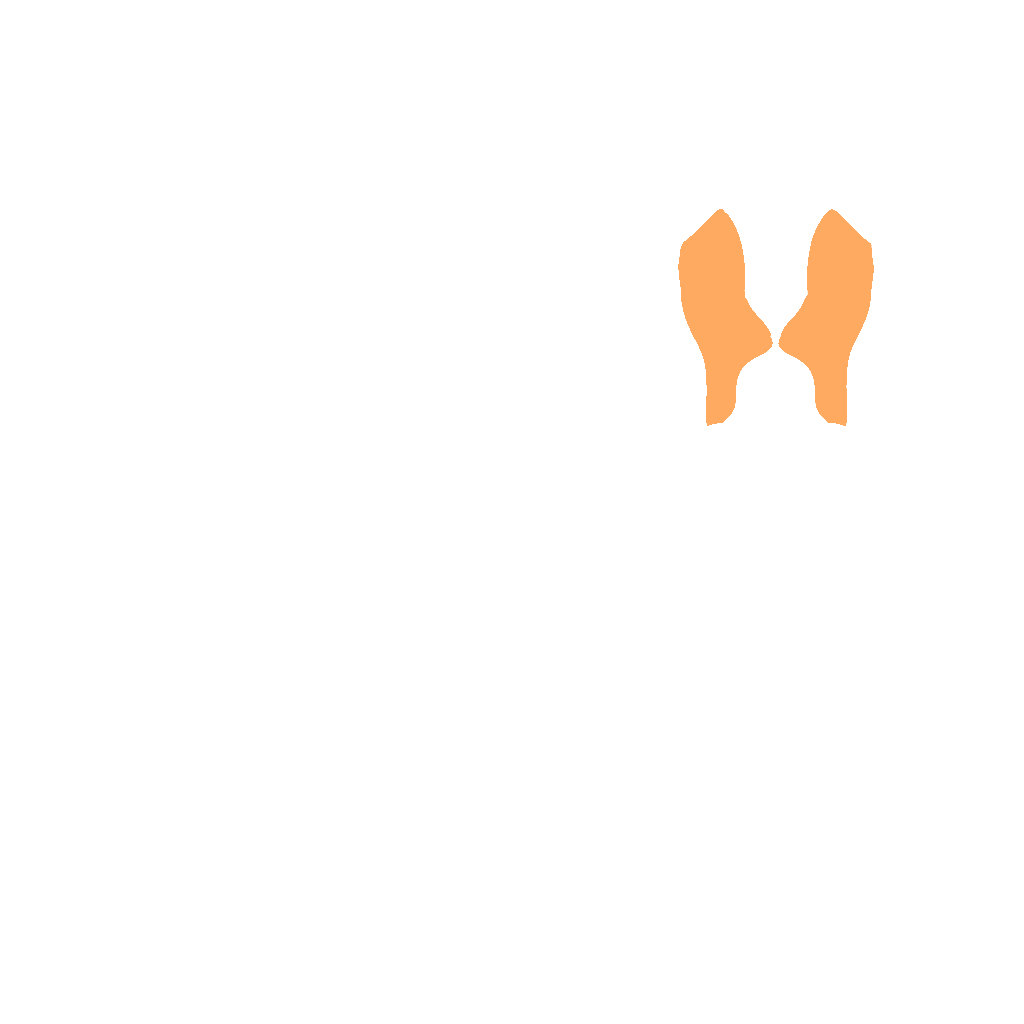
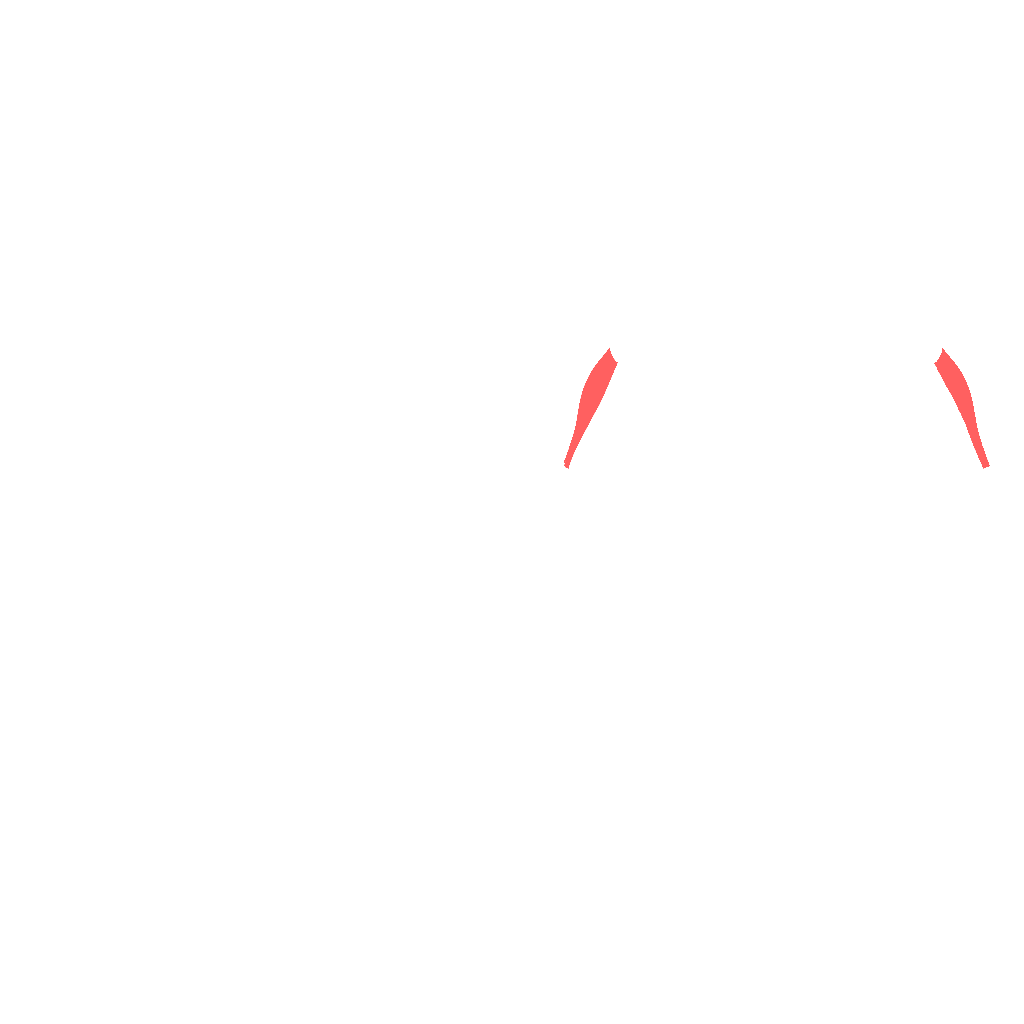
- Target
- Extensors
- Secondary
- Latissimus Dorsi
How to do it
- 1
Drape one or two sturdy towels over a pull-up bar, shoulder-width apart.
- 2
Grip a towel firmly in each hand, wrapping your fingers around the bunched fabric.
- 3
Lift your feet so your bodyweight hangs entirely from the towels.
- 4
Keep your arms straight and shoulders engaged.
- 5
Hold for the target time while your grip fights to keep hold of the fabric.
- 6
Lower your feet to the floor before your hands give out.
Tips
- Use thick, strong towels and check they are secure before you commit your weight.
- Expect your hang time to drop sharply compared with a bare bar.
- Keep your wrists firm so the fabric does not roll your hands open.
- Progress from two towels to a single towel gripped by both hands as you get stronger.
Variations
Common mistakes
- Gripping right up under the bar crams the hands against the steel and puts the pressure on your knuckles; take hold a few inches down, where the fabric bunches into a shape the fingers can close on.
- Towels set wider than the shoulders pull the arms out into a V, which loads the shoulders at an angle you cannot hold and drains the grip even faster.
- The two hands end up at different heights on the fabric, so the torso hangs crooked and one shoulder carries more than its share; match them before your feet leave the floor.
- Once the towel starts creeping through the fingers the reflex is to squeeze harder and stay on, and that sliding second or two is where the skin on the palms goes.
Frequently asked
- How long should a towel hang last, and how many sets?
- Three or four holds of 10 to 15 seconds with 90 seconds of rest is a realistic start, and it will feel short next to a bar hang. Once 20 seconds is clean, add a fourth or fifth set before you reach for a harder variation. Twice a week is plenty: fabric chews up hand skin faster than steel, and a torn callus costs more sessions than the training would have gained.
- How do I make the towel hang easier or harder?
- The towel itself is the dial. A thin one folded small is the mildest version; a thick, doubled or rolled towel is punishing. Below that, keep the toes on a box so the legs carry part of your weight, or hold the bar in one hand and a towel in the other while you build up. Above it, hang from a single towel, wear a weight vest, or wet the fabric and find out how much of your grip was friction rather than strength.
- What is the towel hang good for?
- It builds grip on a thick, shifting surface, which is exactly what obstacle races, rope climbs and grappling in a gi demand. Treat it as a specialist drill on top of regular hangs rather than a replacement for them. It is a poor choice for beginners, who need a bare-bar hang first, and for anyone chasing forearm size, since the hold ends long before the muscle has had much time under load. Do not set up over hard ground with no way to step down.
Related exercises
Other movements among FitRay's 2,000+ exercises that load the same target muscle — same equipment and level first.
- AdvancedWeighted Dead HangPlate · Pull-Up Bar · Forearms
- BeginnerDead HangPull-Up Bar · Forearms
- AdvancedPeacock PoseBody Weight · Back · Forearms
- AdvancedFinger-Tip Push-UpBody Weight · Chest · Forearms
- AdvancedKettlebell Hand-to-Hand FlipKettlebells · Forearms · Shoulder
- AdvancedKettlebell Single-Arm FlipKettlebells · Forearms · Shoulder