Seated Barbell Reverse Wrist Curl
Bracing both forearms on the thighs lets you isolate the wrist extensors with a barbell and train both arms at once. It builds the top-of-forearm strength that supports heavy grip work and stubborn elbow health. Program it for moderate to high reps as accessory work after your main lifts.
- Body part
- Forearms
- Type
- Strength
- Browse by muscle
- Extensors
- Browse by movement
- Wrist Extension




- Target
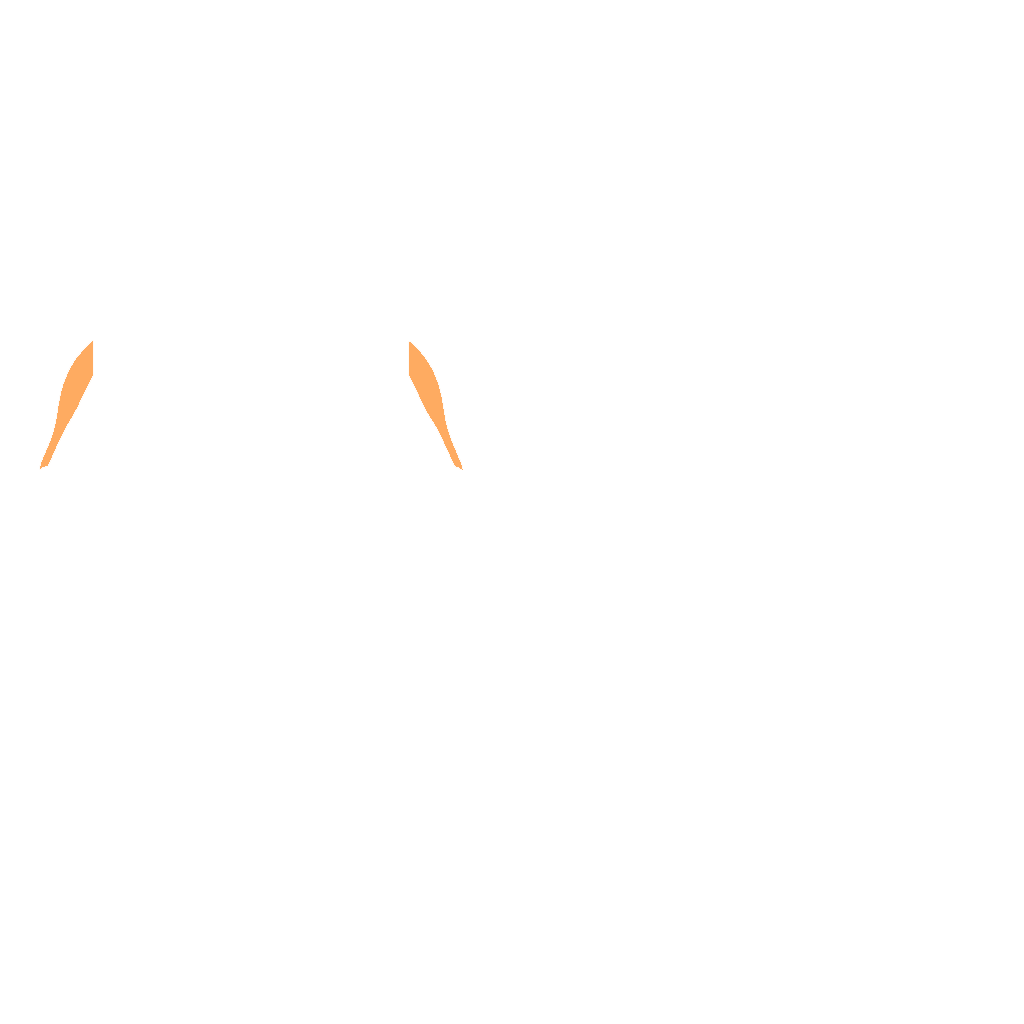
- Extensors
- Secondary
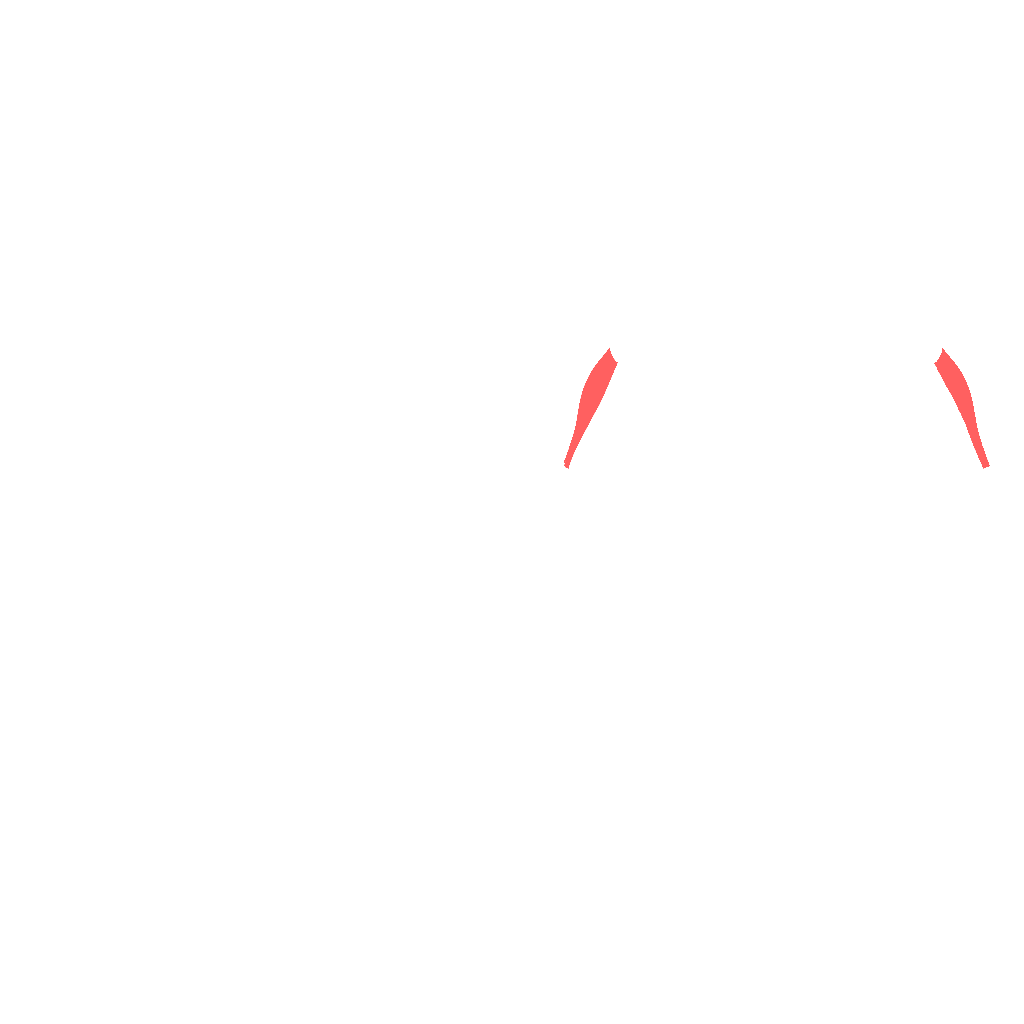
- Extensor Carpi Ulnaris
- Tertiary
- Brachioradialis
How to do it
- 1
Sit on a bench and rest both forearms along your thighs, wrists just past the knees.
- 2
Hold a light barbell with a shoulder-width overhand grip, palms facing down.
- 3
Let the wrists drop so the bar lowers and the knuckles roll toward the floor.
- 4
Extend the wrists to raise the bar as high as you can without lifting the forearms.
- 5
Squeeze at the top, then lower slowly to a full stretch.
- 6
Keep the forearms glued to the thighs the entire set.
Tips
- Start with just the bar; the extensors fatigue quickly.
- Keep the movement strictly at the wrist, with no elbow or hip help.
- Pause at the bottom stretch rather than bouncing the bar.
Variations
Common mistakes
- Sitting with the knees together and the shins vertical so the bar clips the front of the knee at the bottom. Slide back until it hangs clear, or the range ends before the stretch does.
- Slotting these in right after heavy pressing or rows, when the forearms are already full. The extensors quit in five reps and you learn nothing about the movement.
- Jamming the hands close together on a straight bar, which forces both wrists inward. An EZ bar's angled grip keeps the knuckles in line with the forearms and is worth the walk across the gym.
- Trusting the bar to keep both wrists honest. Because it links your hands, a stronger side takes more of it, so if one wrist always stalls first, spend a few weeks on the single-arm dumbbell version.
Frequently asked
- How often and how many reps should I do the seated barbell reverse wrist curl?
- Put it at the end of the session, never before your pulling, and run three sets of 15 to 20 reps twice a week. Begin with the empty bar. The useful progression here is small: 1.25 pound micro plates, or one extra rep on every set, will keep this moving for months, where the next 2.5 pound pair usually stalls it. If your gym has no micro plates, add a two-second hold at the top instead.
- What can I do instead of the seated barbell reverse wrist curl?
- Two light dumbbells over the thighs keep the both-arms-at-once format and expose a weaker side that the bar hides. A low cable with a straight bar holds tension at the top, where the barbell goes light. At home, a band under both feet or a plate held by the rim covers the same muscles. Whichever you pick, it needs far less load than your palms-up work.
- Why do the seated barbell reverse wrist curl with both arms at once?
- Bracing both forearms on the thighs and using one bar is the fastest way to get honest volume into the wrist extensors, which is the whole point of accessory work at the end of a session. It suits lifters who already grip a lot and want the top of the forearm to keep up. It is the wrong choice when your two sides are noticeably different, because the bar lets the stronger wrist cover for the weaker one, and it is a poor idea to load at all while the outside of an elbow is painful.
Related exercises
Other movements among FitRay's 2,000+ exercises that load the same target muscle — same equipment and level first.
- BeginnerCable Reverse Wrist CurlBench · Cables · Forearms
- BeginnerDumbbell Reverse Wrist CurlBench · Dumbbell · Forearms
- BeginnerBand Wrist ExtensionBand · Forearms
- BeginnerPlate Reverse Wrist CurlPlate · Forearms
- BeginnerSeated Dumbbell Wrist ExtensionDumbbell · Forearms
- IntermediateReverse Wrist RollerPlate · Wrist Roller · Forearms