Double Kettlebell Swing
Swinging two kettlebells at once roughly doubles the load on the hinge and forces a violent, well-timed hip snap to float both bells to chest height. It builds explosive glute and hamstring power and serious grip and trunk endurance, but it demands a wide stance and a dialed-in single-bell swing first. Program it for athletes and advanced lifters chasing posterior-chain power, not as a first exposure to swinging.
- Equipment
- Kettlebells
- Type
- Functional, Strength
- Browse by muscle
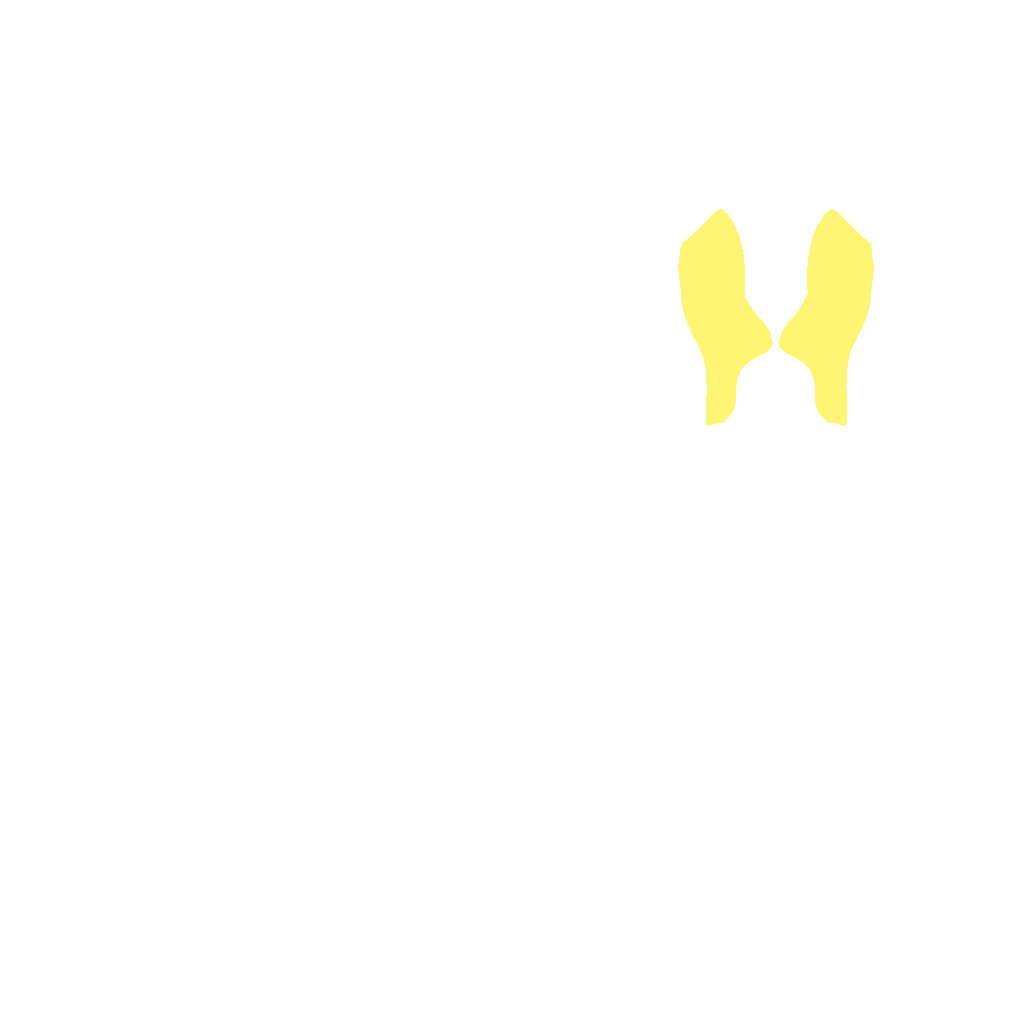
- Gluteus Maximus, Biceps Femoris, Semitendinosus, Erector Spinae
- Browse by movement
- Hinge












- Target
- Gluteus Maximus, Biceps Femoris, Semitendinosus, Erector Spinae
- Secondary
- Deltoid Anterior, Adductor Magnus, Trapezius Upper
- Tertiary
- Latissimus Dorsi, Abdominal External Oblique, Vastus Lateralis
How to do it
- 1
Set two bells on the floor and take a slightly wider than shoulder-width stance.
- 2
Hinge and grip both handles, setting a flat back and packed shoulders.
- 3
Hike both bells back between your legs to load the hips.
- 4
Snap the hips forward explosively to drive the bells up to chest height.
- 5
Let the bells float weightlessly at the top while you stand tall and braced.
- 6
Guide them back down and catch the hinge to reload for the next swing.
Tips
- Widen your stance so both bells clear your legs on the backswing.
- Power the bells with the hips; the arms only guide, they never lift.
- Snap the glutes hard and stand fully tall rather than squatting the bells up.
Variations
Common mistakes
- The bells clang together on the backswing when the stance narrows under fatigue, a sign the width from setup has quietly drifted.
- The lower back arches hard at the top of each rep to add height, rather than the hips finishing the swing and the spine staying neutral.
- The backswing creeps higher behind the legs than the hips can control, turning the load into a limp bell drag instead of a loaded hinge.
- Rushing the reload after the float at the top skips the brief hinge reset, so each swing starts from a slightly worse position than the last.
- One arm takes over the load when the grip on the other hand starts to slip, tilting the bells and the trunk to one side mid-set.
Frequently asked
- What's a sensible starting dose for the double kettlebell swing, and what should I already be good at?
- Three to four sets of 8 to 10 reps, resting long enough that every rep keeps its snap, is a sensible starting dose. Before loading two bells, you should already own a crisp single kettlebell swing with a stable hinge and a strong hip snap, since doubling the load doubles any technical fault as well.
- What can I do instead of the double kettlebell swing without two bells?
- A single kettlebell swing trains the identical hip-snap pattern with one piece of equipment and is actually the safer starting point. Two dumbbells swung together work in a pinch, though their shape makes the backswing less comfortable than a kettlebell's.
- What is the double kettlebell swing good for, and when should you not use it?
- It builds explosive hip and hamstring power along with serious grip and trunk endurance, suiting athletes and advanced lifters chasing posterior-chain output. It is the wrong choice for anyone still learning the hip hinge, since doubling the load punishes a shaky single-bell swing instead of fixing it.
Related exercises
Other movements among FitRay's 2,000+ exercises that load the same target muscle — same equipment and level first.
- AdvancedKettlebell Armor-Building ComplexKettlebells · Quads · Shoulder
- AdvancedDouble Kettlebell CleanKettlebells · Glutes · Hamstring
- AdvancedDouble Kettlebell SnatchKettlebells · Glutes · Shoulder
- AdvancedKettlebell Clean and JerkKettlebells · Glutes · Shoulder
- AdvancedKettlebell Clean-to-Overhead-Squat FlowKettlebells · Quads · Shoulder
- AdvancedKettlebell Dead SnatchKettlebells · Glutes · Shoulder