Kettlebell Deadlift
The kettlebell deadlift is the entry point to every ballistic hinge; it teaches you to load the hips and hamstrings and stand tall while keeping a flat, braced back. With the bell centered under the hips, it is easy to learn and gentle on the lower back, making it ideal for beginners or as a warm-up before swings and cleans. Own this pattern and the swing, clean, and snatch all fall into place faster.
- Equipment
- Kettlebells
- Type
- Strength
- Browse by muscle
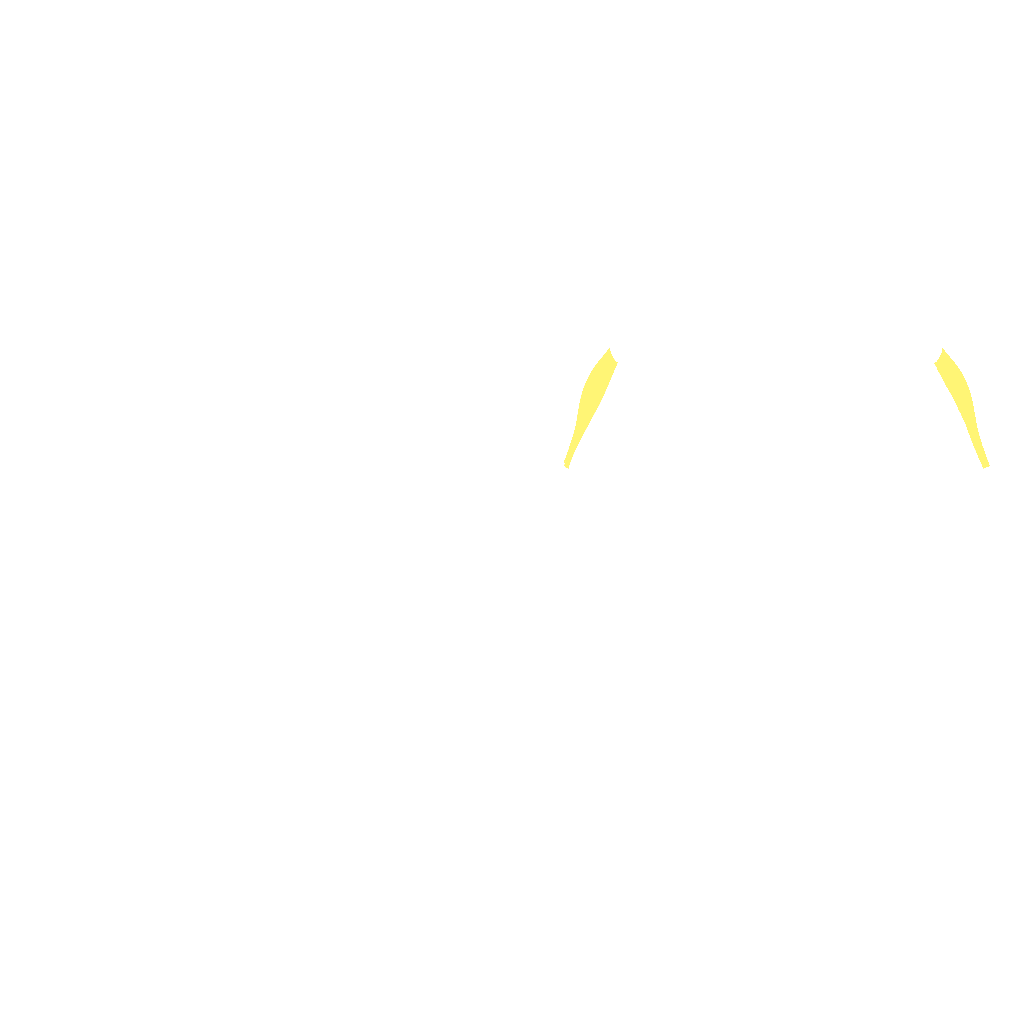
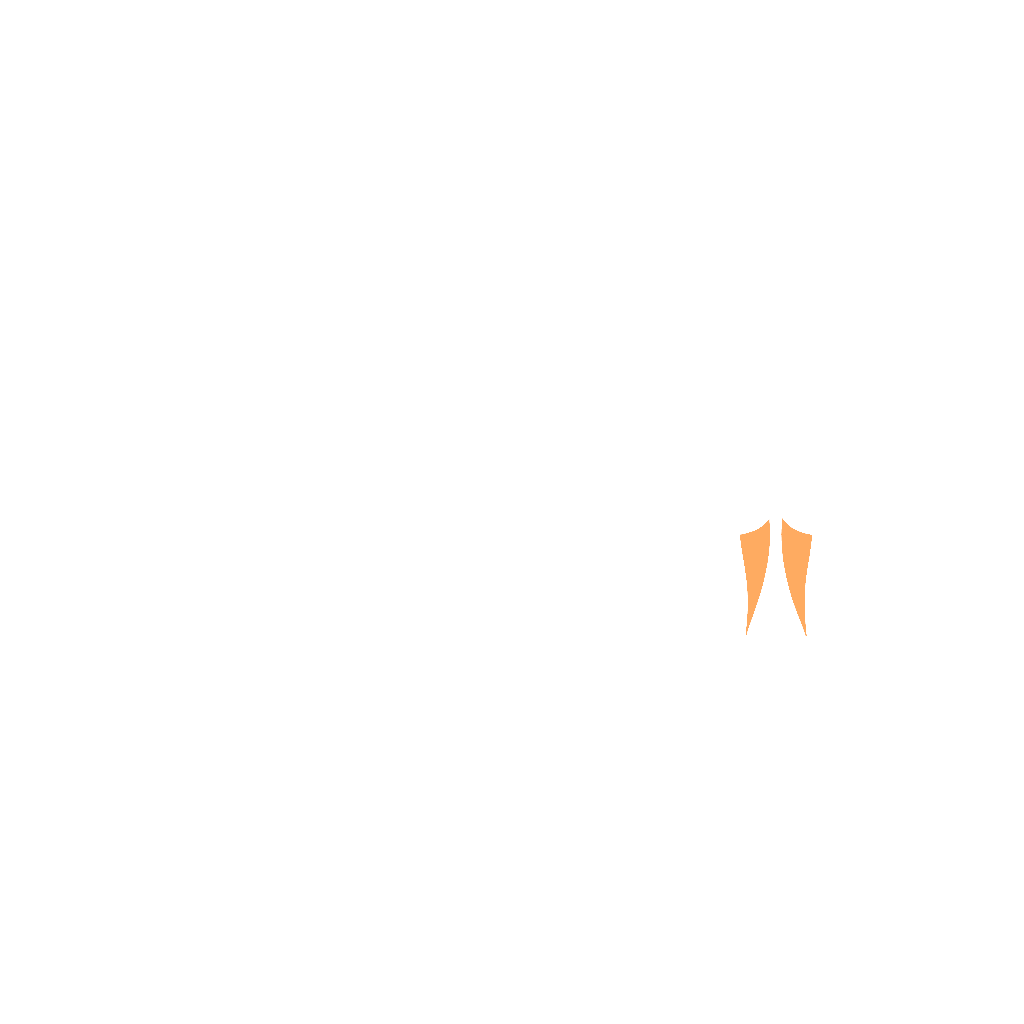
- Gluteus Maximus, Biceps Femoris, Semitendinosus, Erector Spinae
- Browse by movement
- Hinge










- Target
- Gluteus Maximus, Biceps Femoris, Semitendinosus, Erector Spinae
- Secondary
- Adductor Magnus, Vastus Lateralis, Trapezius Upper
- Tertiary
- Latissimus Dorsi, Extensors
How to do it
- 1
Stand the kettlebell on the floor centered between your feet, set shoulder-width apart.
- 2
Push your hips back and bend to grip the handle with both hands.
- 3
Set a flat back, pull your chest up, and take the slack out of your arms.
- 4
Brace your abs and drive through the floor to stand tall as you extend the hips.
- 5
Squeeze the glutes at the top without leaning back past standing upright.
- 6
Push the hips back and lower the bell under control to the floor.
Tips
- Keep the bell handle roughly over mid-foot so the load stays over your base.
- Lead the descent with the hips traveling backward, not with the knees dropping straight down.
- Keep the spine long; a rounding lower back is your cue to lighten the bell.
Variations
Common mistakes
- Arms bend and yank the bell off the floor, which is how a bicep gets hurt on a deadlift. The elbows stay straight and the legs do all the moving.
- The upper back rounds forward while the lower back stays flat, so the shoulders end up ahead of the bell and the pull starts from a weak angle.
- Reps get chained by bouncing the bell off the floor, and each bounce erases the setup so the back rounds a little more on the next one. Set it down, reset, then pull.
- Dropping the bell from lockout instead of hinging it back down skips the lowering half, where a good share of the hamstring work actually lives.
- A handle gripped in the fingers goes numb halfway through a set of ten; take it deeper into the palm so the wrist stays straight and the grip lasts the set.
Frequently asked
- How many sets and reps of the kettlebell deadlift should a beginner do?
- Three sets of 8 to 10 with a bell heavy enough that the last rep still requires thought, resting 60 to 90 seconds. Most adults start somewhere between 16 and 24 kg. Once the hinge is automatic, its best use changes: two sets of 10 as an opener before swings or cleans, with your heavier hinge work done elsewhere. Two or three sessions a week is fine at this load.
- What can I use instead of a kettlebell for the kettlebell deadlift?
- A dumbbell stood on end between the feet gives you almost the same centered load and the same hinge. A backpack loaded with books and gripped by the top handle works at home, and a band under both feet held at the hips trains the same pattern with tension that builds toward lockout.
- What is the kettlebell deadlift good for?
- It is the cleanest way to learn a hip hinge, and because the bell sits under your hips rather than out in front, it is gentle on the lower back while still loading the glutes and hamstrings. Every swing, clean and snatch you do later depends on it. It is a poor choice for building maximal strength, since one bell runs out of weight quickly, so move to a barbell or two bells when sets of ten stop being hard.
Related exercises
Other movements among FitRay's 2,000+ exercises that load the same target muscle — same equipment and level first.
- BeginnerKettlebell Goblet CleanKettlebells · Glutes · Hamstring
- BeginnerKettlebell Romanian DeadliftKettlebells · Glutes · Hamstring
- BeginnerKettlebell Sumo DeadliftKettlebells · Glutes · Thighs
- AdvancedKettlebell Armor-Building ComplexKettlebells · Quads · Shoulder
- IntermediateKettlebell Clean and PressKettlebells · Glutes · Shoulder
- IntermediateKettlebell Clean-Squat-Press FlowKettlebells · Quads · Shoulder