Double Kettlebell Snatch
The double snatch is among the most demanding kettlebell ballistics, asking the hips to project two bells overhead while the shoulders stabilize the finish. It builds tremendous power, grip, and overhead control and is best reserved for advanced lifters with a clean single-bell snatch. Prioritize a fast, aggressive hip drive and a precise punch to spear both bells cleanly.
- Equipment
- Kettlebells
- Type
- Functional, Strength
- Browse by muscle
- Gluteus Maximus, Biceps Femoris, Semitendinosus, Erector Spinae
- Browse by movement
- Hinge














- Target
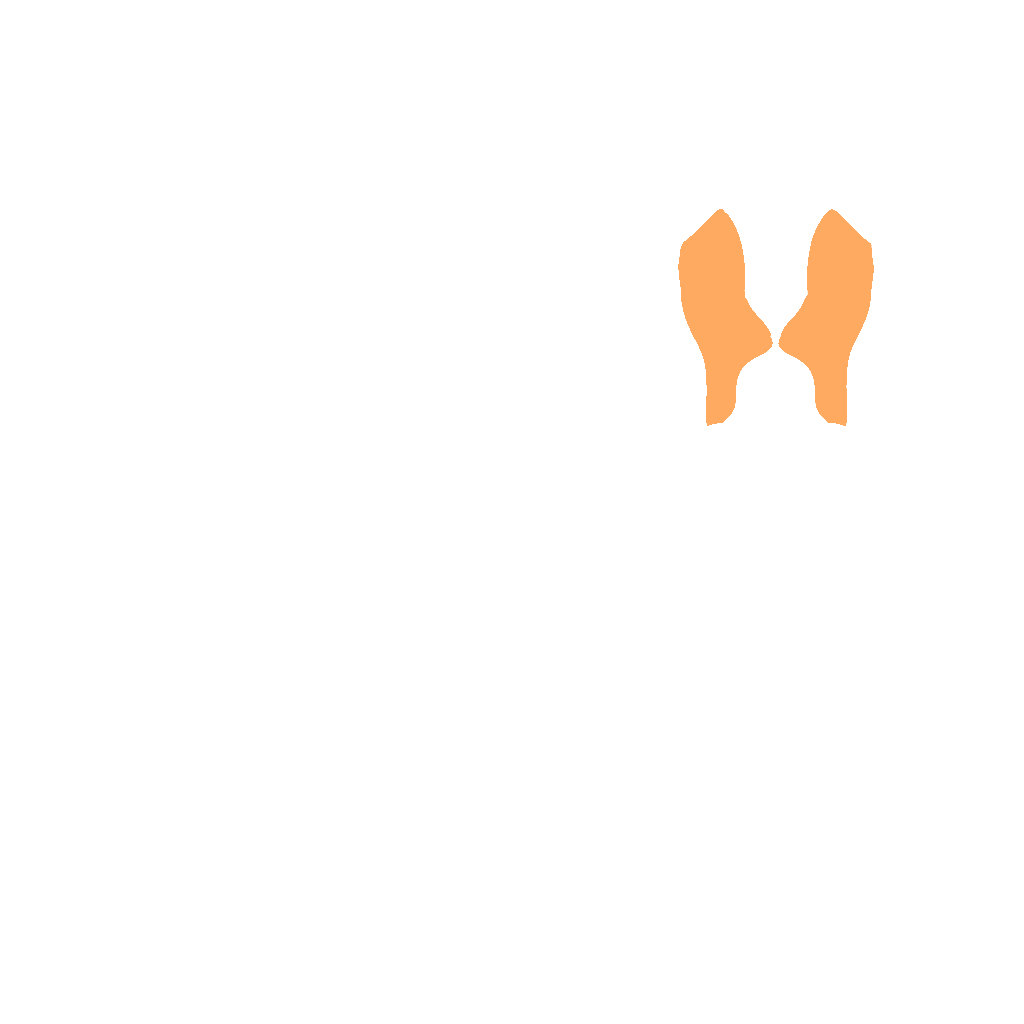
- Gluteus Maximus, Biceps Femoris, Semitendinosus, Erector Spinae
- Secondary
- Deltoid Anterior, Deltoid Middle, Trapezius Upper, Latissimus Dorsi
- Tertiary
- Triceps Brachii Long Head, Abdominal External Oblique, Brachioradialis
How to do it
- 1
Set a kettlebell outside each foot, hinge, and grip both handles.
- 2
Hike both bells back between the thighs and load the hips fully.
- 3
Snap the hips explosively to send both bells up close to the body.
- 4
Pull with high elbows, then punch both hands up to spear the bells overhead.
- 5
Lock out both elbows with the bells stacked over the shoulders and stand tall.
- 6
Guide the bells down to the hang and repeat for controlled reps.
Tips
- Time the hand punch so each bell rolls softly onto the forearm at the top.
- Keep both bell paths tight and vertical to avoid looping out front.
- Do not chase reps; stop the set the moment the punch timing degrades.
Variations
Common mistakes
- Once one arm's punch lands a fraction of a second before the other, the bells stack unevenly overhead and the whole lockout has to fight that asymmetry.
- One shoulder ends up doing more stabilizing than the other when the two punches are not simultaneous, and that imbalance compounds rep after rep.
- Chasing the same rep count as a single-bell snatch ignores that stabilizing two loads overhead at once is a much bigger ask on the shoulders.
- Both bell paths loop slightly forward instead of staying tight to the body, which stalls the overhead lockout on both sides at once instead of one.
- Continuing the set after the timing between hands starts to slip trains a sloppy double punch instead of stopping while the pattern is still clean.
Frequently asked
- What is a sensible starting dose for the double kettlebell snatch, and what should come before it?
- Start with 2 to 3 sets of 2 to 3 reps using bells lighter than your working single-snatch weight, since timing two overhead punches together is the hard part. You should already own a clean single-bell snatch with a soft catch before adding a second bell.
- What can you use instead of two kettlebells for a double snatch?
- There is no equivalent double-implement substitute that keeps the same arc, though two light dumbbells snatched together train a related pattern with a different grip. With one kettlebell, do single-arm snatches instead and treat the double version as a later goal.
- What does the double kettlebell snatch train, and who should not attempt it yet?
- It is among the most demanding kettlebell ballistics, building tremendous hip power, grip, and overhead stability for advanced lifters who already snatch a single bell cleanly. It is not appropriate for anyone without a reliable single-bell snatch, since a bad catch with two bells overhead at once is far harder to bail out of.
Related exercises
Other movements among FitRay's 2,000+ exercises that load the same target muscle — same equipment and level first.
- AdvancedKettlebell Armor-Building ComplexKettlebells · Quads · Shoulder
- AdvancedDouble Kettlebell CleanKettlebells · Glutes · Hamstring
- AdvancedDouble Kettlebell SwingKettlebells · Glutes · Hamstring
- AdvancedKettlebell Clean and JerkKettlebells · Glutes · Shoulder
- AdvancedKettlebell Clean-to-Overhead-Squat FlowKettlebells · Quads · Shoulder
- AdvancedKettlebell Dead SnatchKettlebells · Glutes · Shoulder