Kettlebell Dead Snatch
Beginning from the ground removes the swing's backswing bounce, so the hips must generate the entire snatch from zero. It is a demanding expression of hinge power and overhead control, and it rewards a fast, aggressive first pull. Reserve it for athletes with a clean standard snatch who can punch the hand through cleanly to avoid banging the forearm.
- Equipment
- Kettlebells
- Type
- Functional, Strength
- Browse by muscle
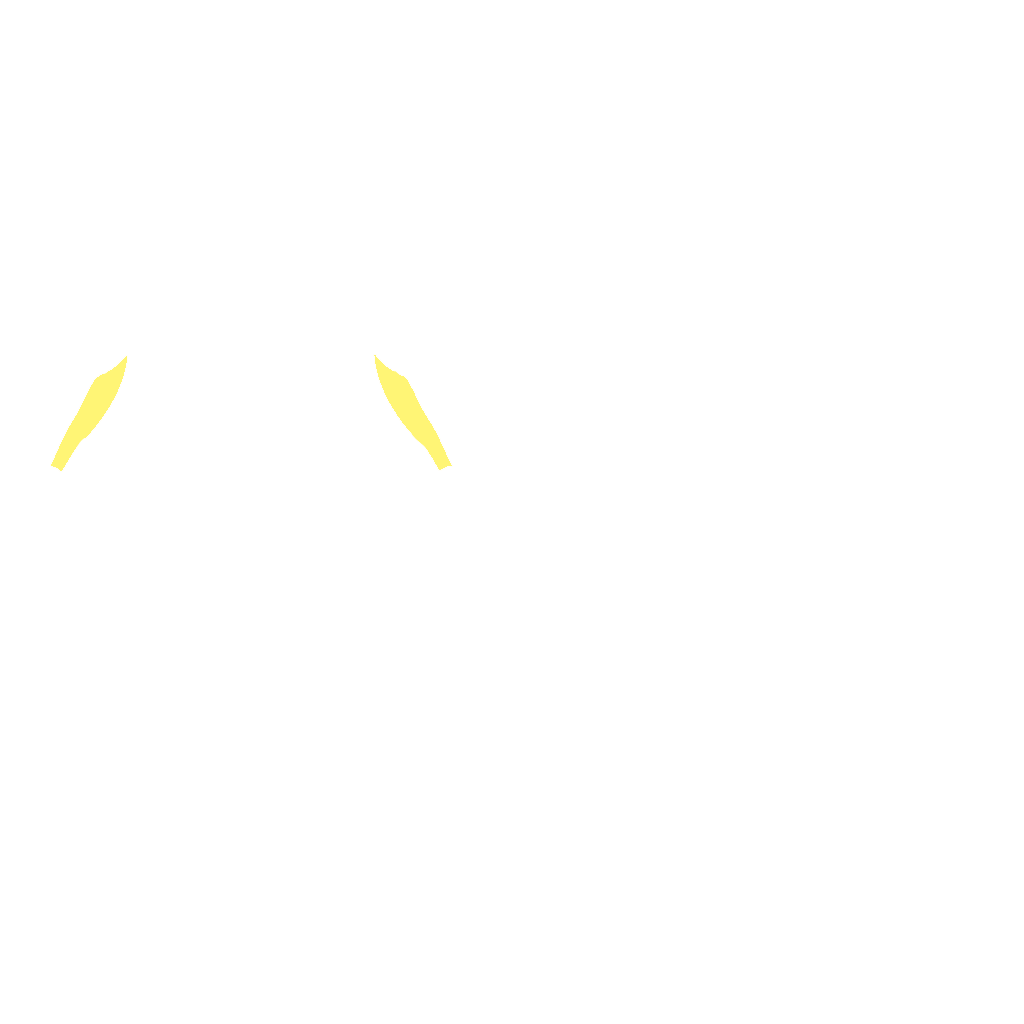
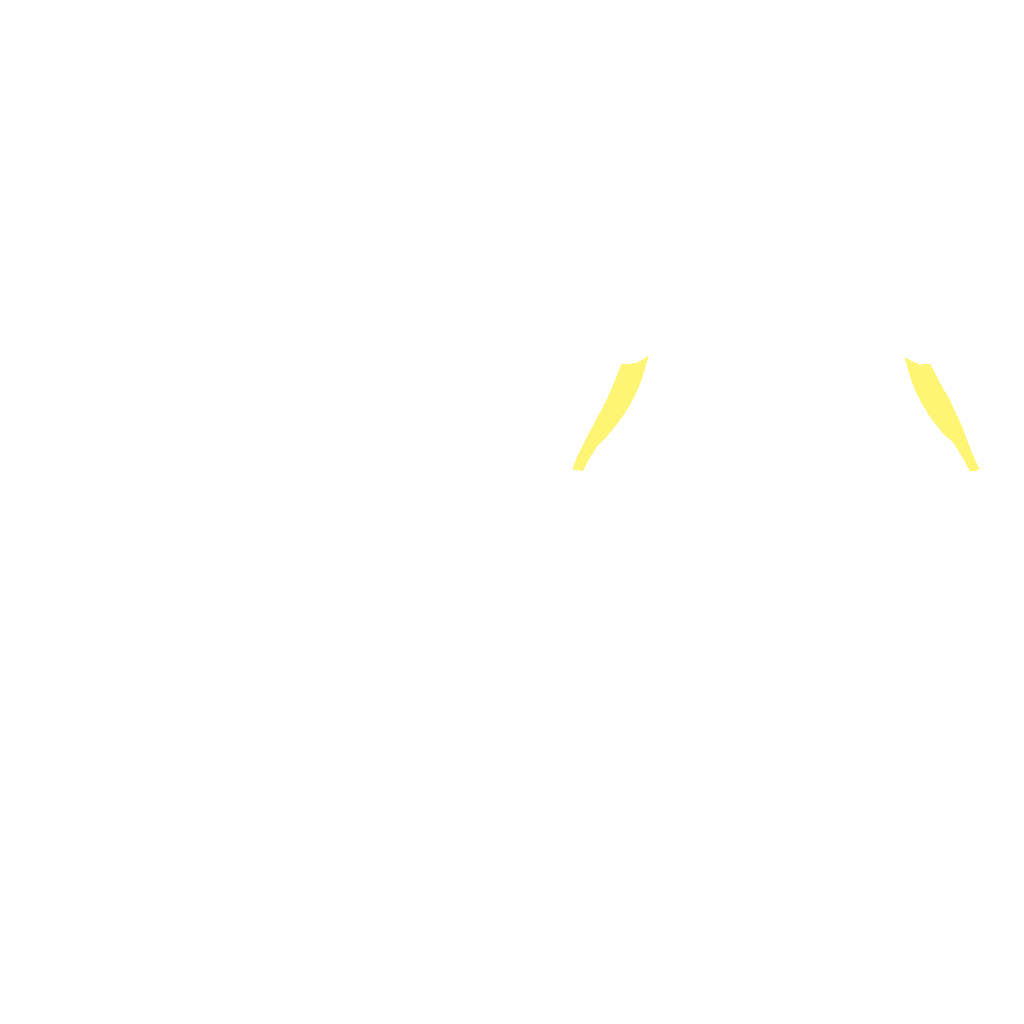
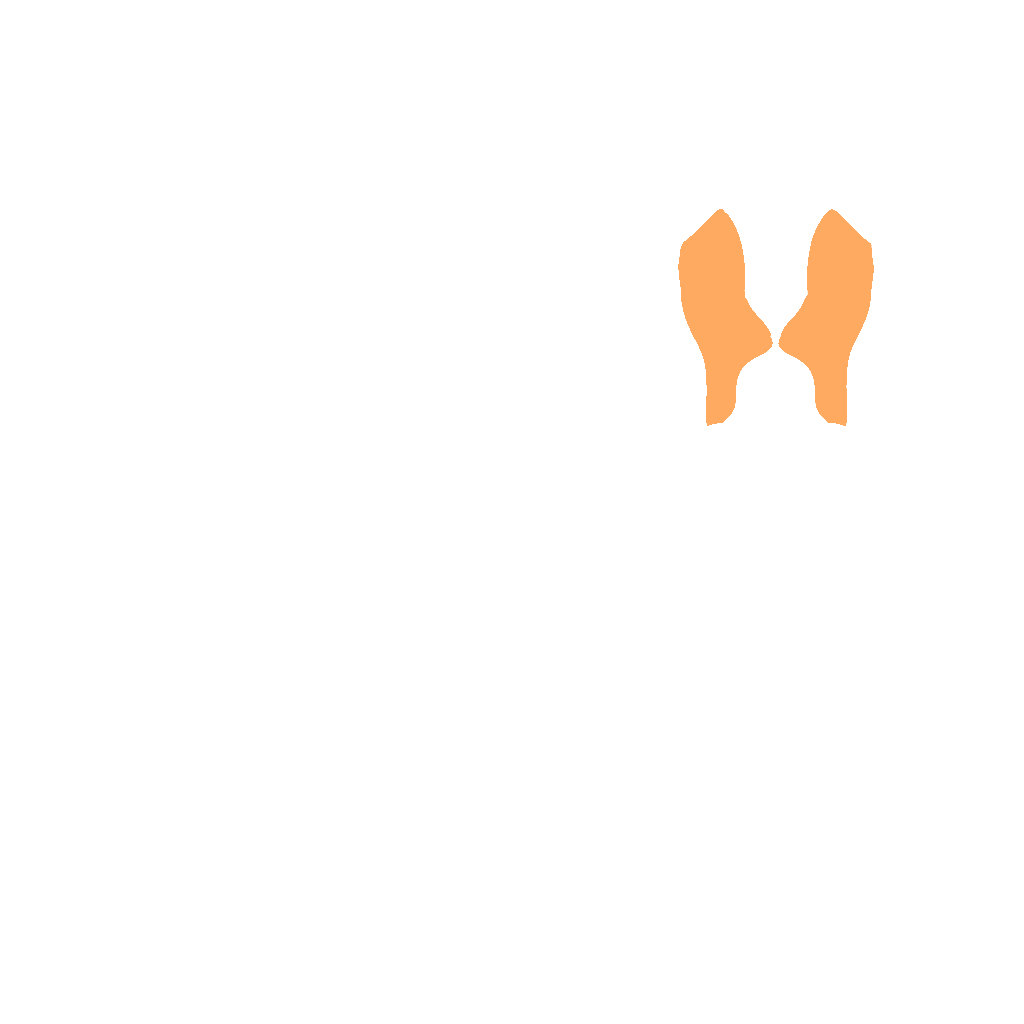
- Gluteus Maximus, Biceps Femoris, Semitendinosus, Erector Spinae
- Browse by movement
- Hinge











- Target
- Gluteus Maximus, Biceps Femoris, Semitendinosus, Erector Spinae
- Secondary
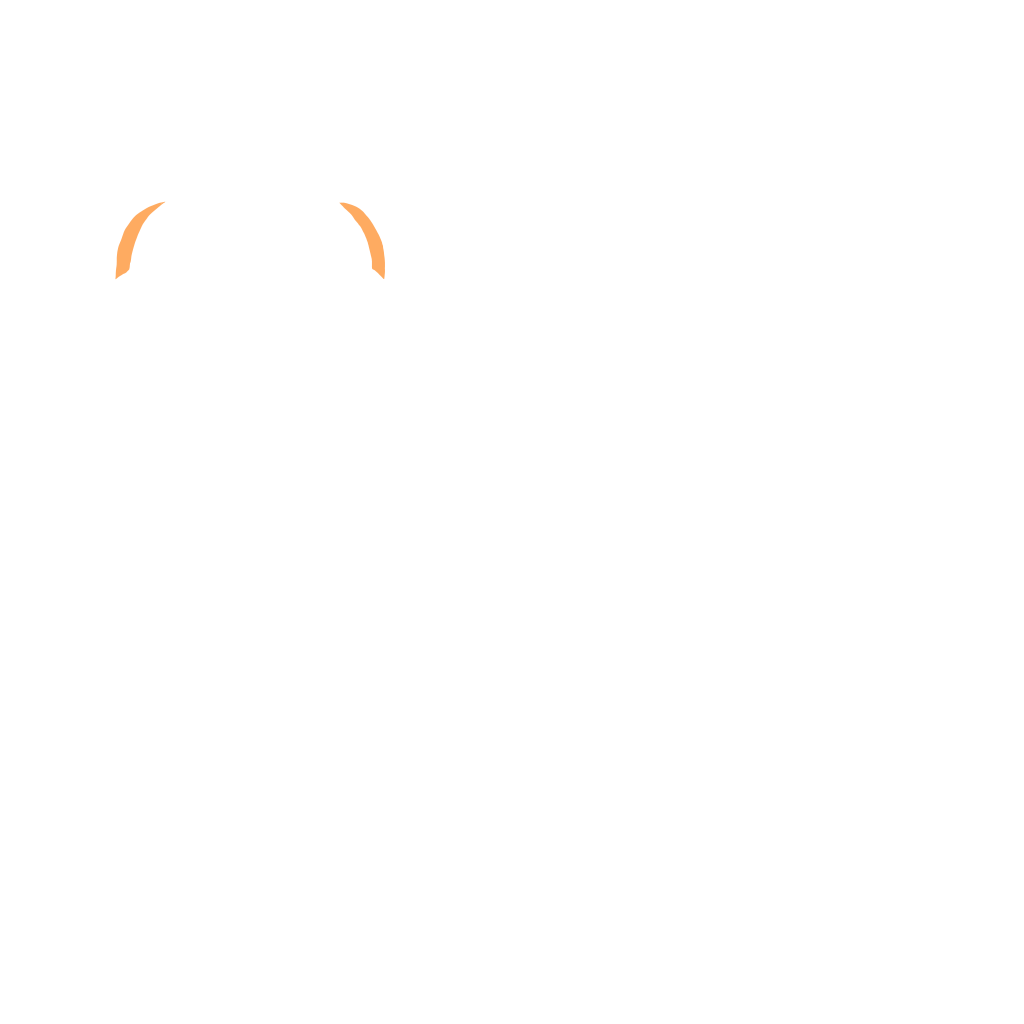
- Deltoid Anterior, Deltoid Middle, Trapezius Upper, Latissimus Dorsi
- Tertiary
- Triceps Brachii Long Head, Abdominal External Oblique, Brachioradialis
How to do it
- 1
Stand over the kettlebell with it slightly ahead, hinge down, and grip the handle with one hand.
- 2
Brace hard, then explosively extend the hips and knees to accelerate the bell upward.
- 3
Pull with a high elbow as the bell rises, keeping it close to your body.
- 4
Punch your hand up and around the handle to spear the bell into a stacked overhead lockout.
- 5
Stabilize with a locked elbow over the shoulder, then guide the bell back down to the floor.
- 6
Reset the grip and repeat from a full dead stop each rep.
Tips
- Time the hand punch so the bell rolls softly onto the forearm instead of flipping over.
- Keep the bell path close and vertical; a bell that loops out forward will stall overhead.
- Finish every rep tall with the biceps by the ear and the wrist neutral.
Variations
Common mistakes
- Once the pull starts from a dead stop, the hips fire before the arm has taken up the slack in the arc, which yanks the shoulder instead of loading it smoothly.
- Punching late into the overhead position lets the bell flip hard onto the forearm instead of rolling, and a dead-stop rep has no backswing to absorb that impact.
- The elbow drifts away from the body as the bell rises, sending it out and away from the vertical path that a clean lockout overhead needs.
- The bell gets muscled up with the shoulder and arm because the hips never fully extend first, turning an explosive hip movement into a slow arm curl.
- Resetting the grip loosely between reps lets the handle shift in the hand right as the next explosive pull begins.
Frequently asked
- What is a sensible starting dose for the kettlebell dead snatch, and what should you already have down?
- Start with 3 to 5 sets of 3 to 5 reps per side, well below the weight you use for a regular cycled snatch, since each rep restarts from zero momentum. Have a clean, confident standard kettlebell snatch first, including a soft overhead catch, before removing the backswing that normally helps time the punch.
- What can you use instead of a kettlebell for a dead-stop snatch pattern?
- There is no great substitute that keeps the same hand-to-overhead arc, though a light dumbbell snatch trains a related hip-drive-to-overhead pattern. Without any weight, rehearse the hip extension and punch-through with just your bodyweight to groove the timing before loading it.
- What does the dead-stop snatch build, and who should not be doing it yet?
- It removes the backswing bounce so the hips have to generate the entire lift from a standstill, building raw hinge power and overhead control for lifters who already own the standard snatch. It is not appropriate for anyone still working on basic snatch technique or overhead mobility, since the dead start punishes any timing error immediately.
Related exercises
Other movements among FitRay's 2,000+ exercises that load the same target muscle — same equipment and level first.
- AdvancedKettlebell Armor-Building ComplexKettlebells · Quads · Shoulder
- AdvancedDouble Kettlebell CleanKettlebells · Glutes · Hamstring
- AdvancedDouble Kettlebell SnatchKettlebells · Glutes · Shoulder
- AdvancedDouble Kettlebell SwingKettlebells · Glutes · Hamstring
- AdvancedKettlebell Clean and JerkKettlebells · Glutes · Shoulder
- AdvancedKettlebell Clean-to-Overhead-Squat FlowKettlebells · Quads · Shoulder