Dumbbell Clean and Jerk
This lift links the two biggest dumbbell power movements: a hip-driven clean to the rack, then a leg-driven jerk to lockout overhead. It trains the whole chain from floor to fingertip and delivers a huge conditioning stimulus when cycled for reps. Program it as the centerpiece of a power or metabolic session and keep the technique crisp rather than chasing sloppy speed.
- Equipment
- Dumbbell
- Type
- Plyometric, Strength
- Browse by muscle
- Gluteus Maximus, Biceps Femoris, Deltoid Anterior, Vastus Lateralis
- Browse by movement
- Hinge, Vertical Press


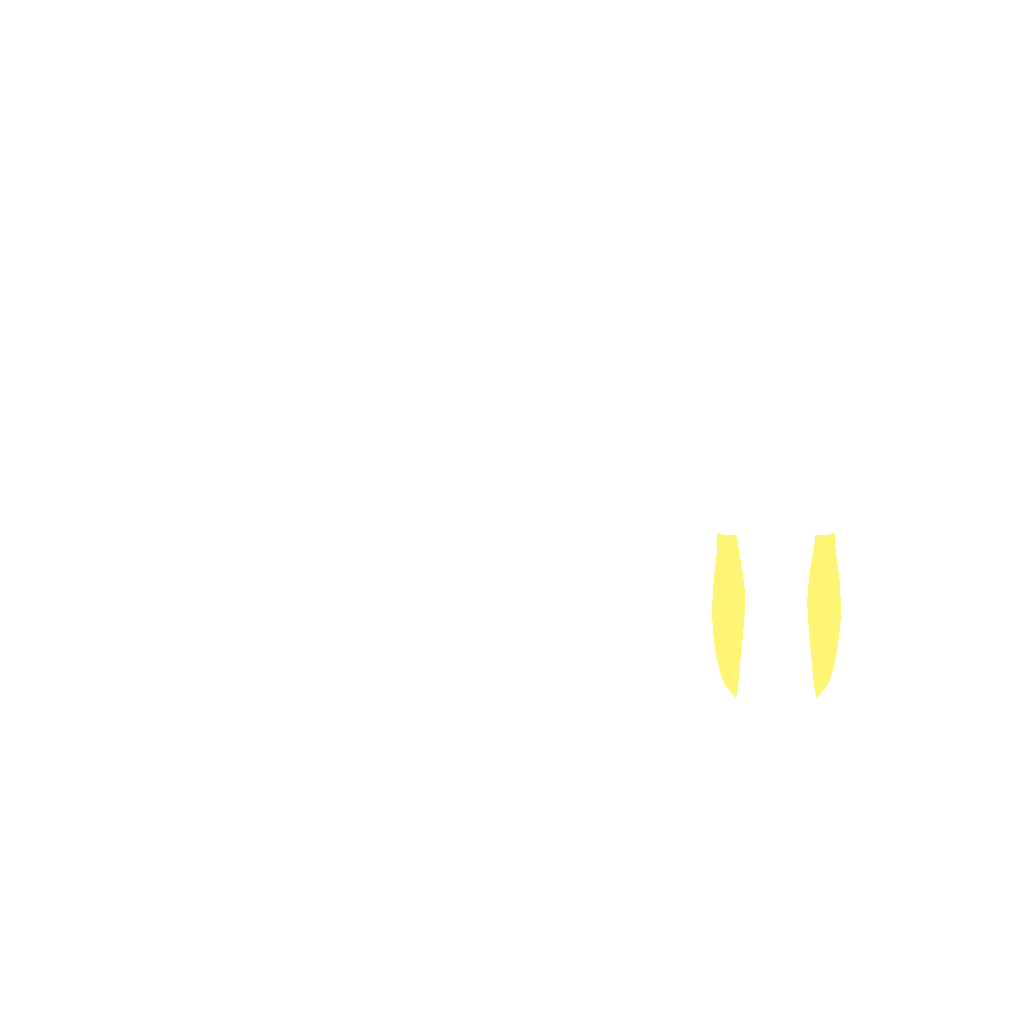


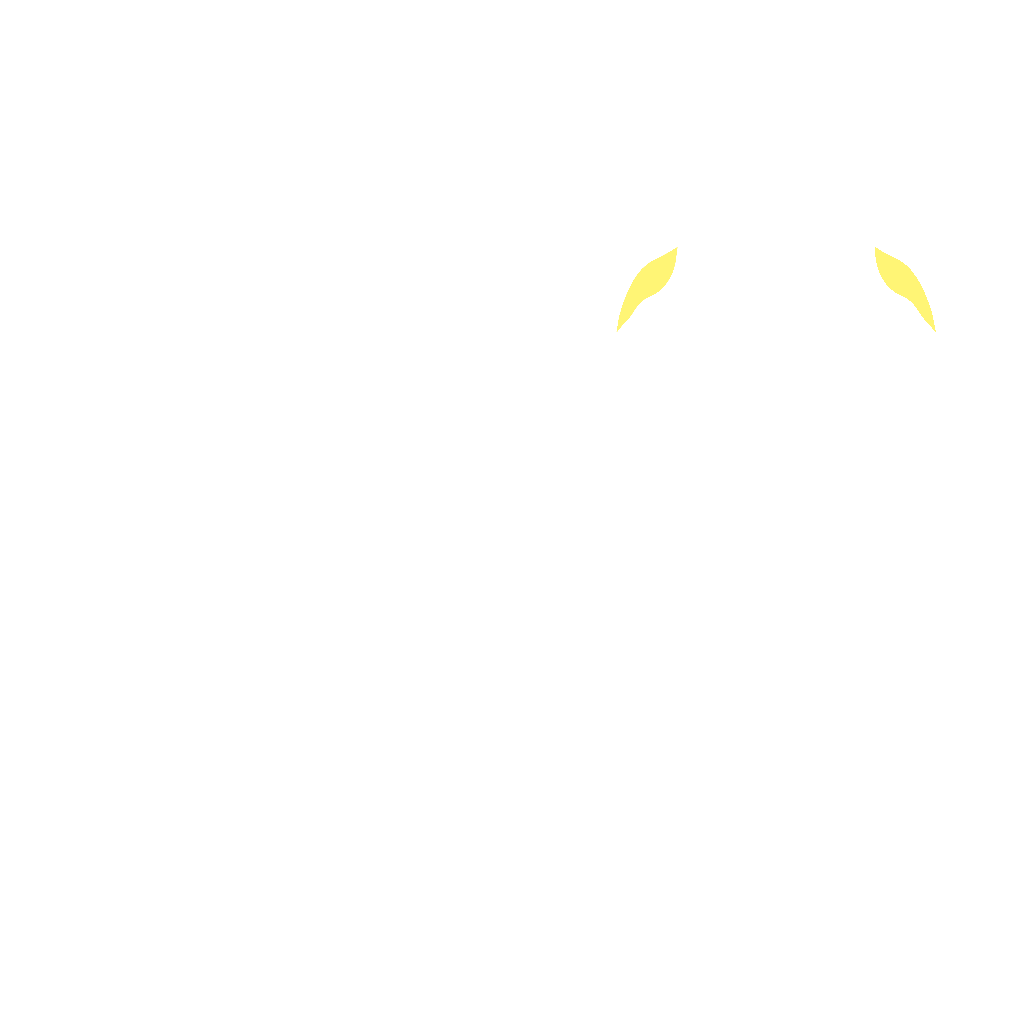









- Target
- Gluteus Maximus, Biceps Femoris, Deltoid Anterior, Vastus Lateralis
- Secondary
- Erector Spinae, Trapezius Upper, Rectus Femoris, Triceps Brachii Long Head
- Tertiary
- Semitendinosus, Deltoid Middle, Abdominal External Oblique, Triceps Brachii Lateral Head
How to do it
- 1
Clean two dumbbells from the floor to a racked position on the shoulders and stand tall.
- 2
Reset your feet to hip-width, brace the trunk, and take a breath into the belly.
- 3
Dip straight down a few inches by bending the knees while keeping the torso vertical.
- 4
Drive through the legs explosively to launch the dumbbells off the shoulders.
- 5
Punch the arms to lockout as you drop under the bells, catching them overhead in a quarter squat.
- 6
Stand fully upright with the dumbbells locked overhead, then lower and reset for the next rep.
Tips
- Fully stand from the clean before you begin the jerk so each phase starts from a stable base.
- Keep the jerk dip shallow and vertical to send the bells straight up rather than forward.
- Aggressively drop under the dumbbells to meet them at lockout instead of pressing them up.
Variations
Common mistakes
- Locking one dumbbell out ahead of the other and finishing crooked. Punch both at once, because an uneven lockout leaves one shoulder holding a load you cannot see.
- Holding the bells in front of the shoulders on tense arms instead of resting them on the shoulders. The arms burn out inside a long set and the dip has no base to drive from.
- Letting the dumbbells slide forward off the shoulders during the dip, so the leg drive pushes nothing and the arms end up pressing the weight out.
- Swinging the bells wide around the knees on the clean. Keep them close, tracking the line of the shins, or the lower back finishes a pull the hips should have.
- Dropping them from overhead near your own feet at the end of a hard set. Lower to the shoulders first, then to the hip, and let go from there.
Frequently asked
- How many reps of the dumbbell clean and jerk should you do when you are new to the exercise?
- It depends on why you are doing it. For power, three to five reps per set with full rest and light bells while the movement is new. For conditioning, sets of six to ten, or an EMOM of five reps a minute for eight to ten minutes. Either way, decide the number before the set and stop there: this is a lift people keep going on until the technique quietly falls apart in the last two reps.
- What can I use instead of dumbbells for the dumbbell clean and jerk?
- Kettlebells do the same job and sit more comfortably in the rack for many people, one arm at a time or two. A barbell clean and jerk loads far heavier but needs a platform and bumper plates. If you want the pattern with less to coordinate, split it: kettlebell cleans for the bottom half, dumbbell push press for the top. A single dumbbell, alternating sides, is the answer when you only own one.
- What is the dumbbell clean and jerk good for?
- It moves a load from the floor to overhead with two independent weights, so it builds power, exposes a weak side, and delivers a lot of conditioning in a short time, all without a platform. That suits limited equipment and limited space. It is a poor pick for maximum strength, since the heaviest dumbbell in the gym runs out long before your legs and hips do, and it is not the place to be if your shoulders do not reach a comfortable lockout overhead.
Related exercises
Other movements among FitRay's 2,000+ exercises that load the same target muscle — same equipment and level first.
- AdvancedDevil PressDumbbell · Glutes · Shoulder
- AdvancedDumbbell Bent PressDumbbell · Abs · Shoulder
- AdvancedDumbbell ComplexDumbbell · Glutes · Shoulder
- AdvancedDumbbell Hang SnatchDumbbell · Glutes · Shoulder
- AdvancedDumbbell Push JerkDumbbell · Quads · Shoulder
- AdvancedDumbbell Renegade Row to PressDumbbell · Back · Shoulder