Reverse Warrior
Reverse Warrior keeps the front-leg quad locked in a Warrior II bend while the front arm sweeps overhead and back, arcing the torso into a long side stretch. The top-side obliques and lat lengthen as the standing leg keeps driving the pose. It is an accessible way to add a side-body opener to a standing flow without giving up the lower-body work.
- Equipment
- Body Weight
- Type
- Stretching, Yoga
- Browse by muscle
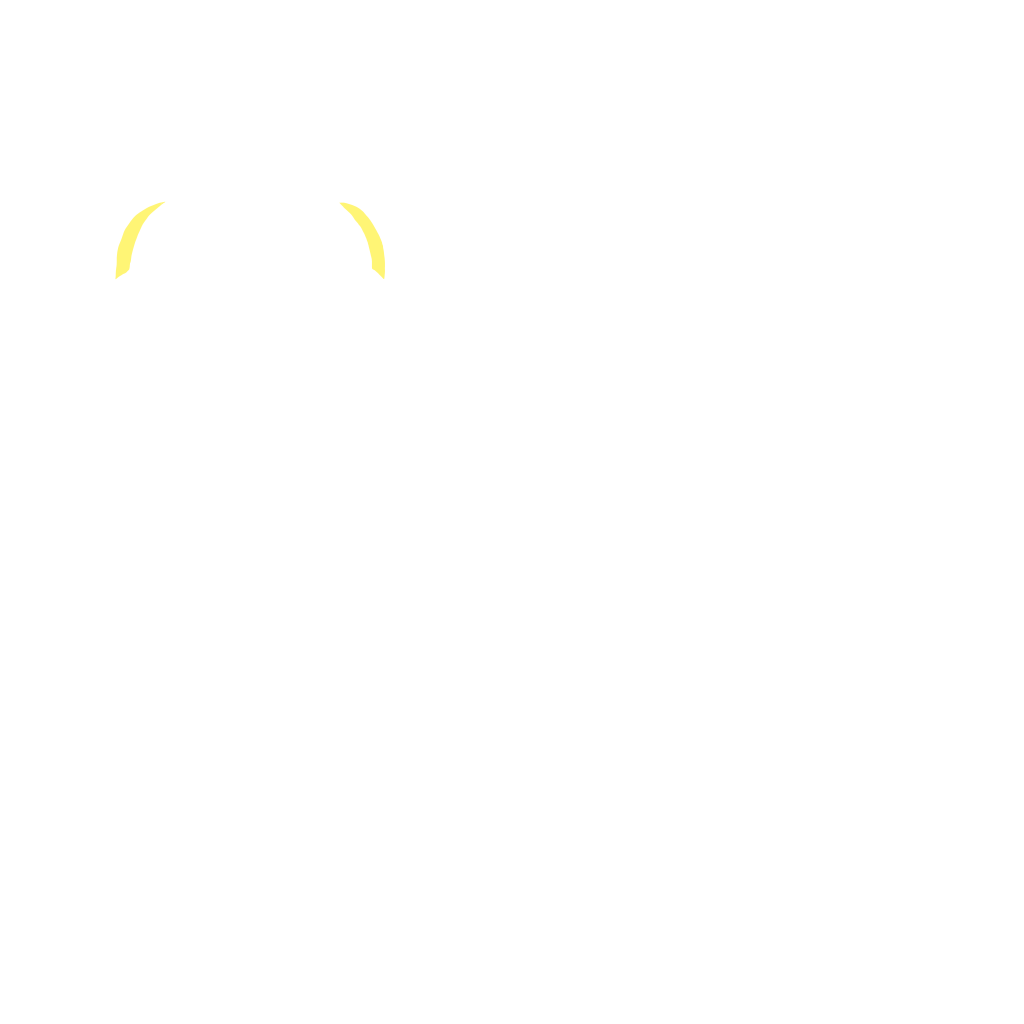
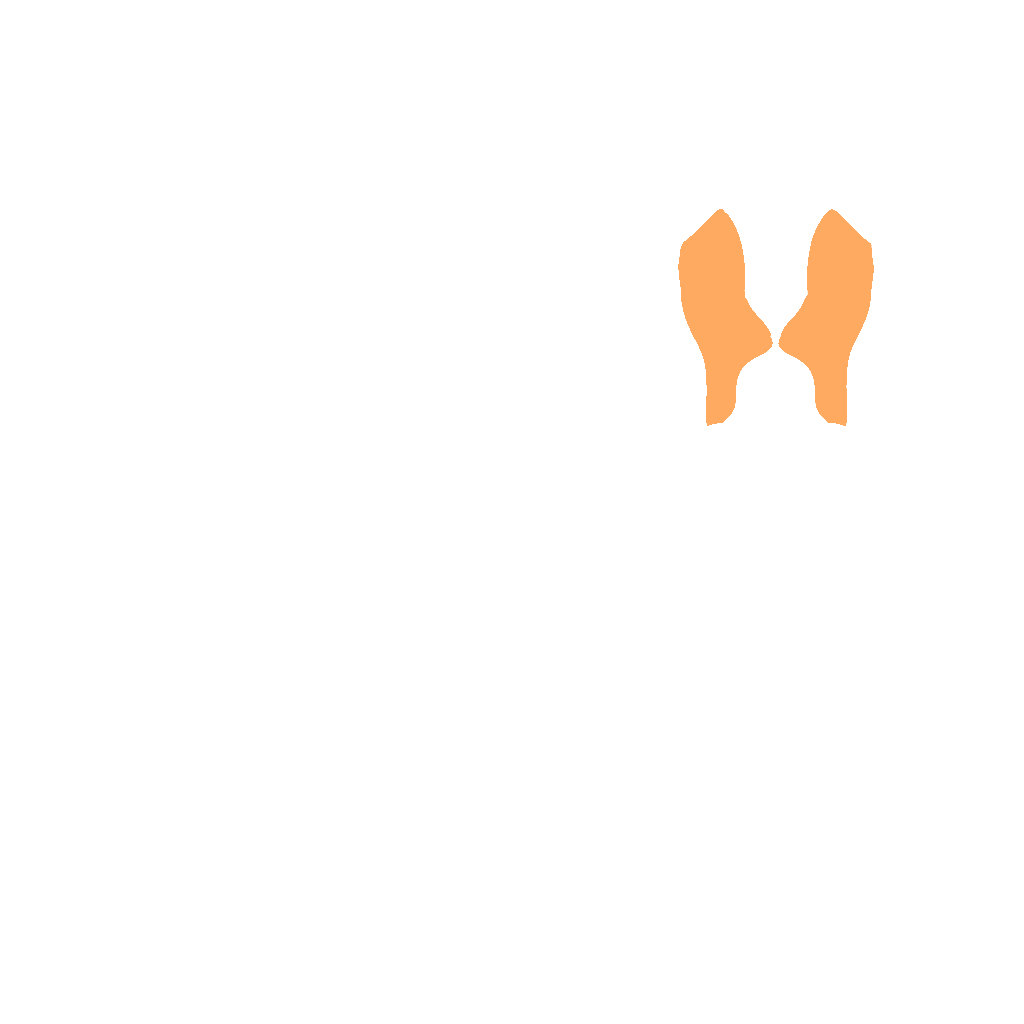
- Rectus Femoris, Vastus Lateralis








- Target
- Rectus Femoris, Vastus Lateralis
- Secondary
- Abdominal External Oblique, Latissimus Dorsi, Gluteus Maximus
- Tertiary
- Gluteus Medius, Deltoid Middle, Erector Spinae
How to do it
- 1
Set up in Warrior II with the front knee bent over the ankle and arms extended.
- 2
Keep the front knee deeply bent and the legs strong as you begin.
- 3
Turn the front palm up and reach that arm toward the ceiling and back.
- 4
Slide the back hand lightly down the back thigh for support.
- 5
Arc the top side of the body long, lifting the chest rather than crunching backward.
- 6
Hold with steady breath, come back to center, and switch sides.
Tips
- Do not let the front knee straighten as you reach; keep the lunge honest.
- Lengthen up and over rather than collapsing weight back into the lower spine.
- Rest only light pressure on the back leg so the reaching side stays active.
Variations
Common mistakes
- The front foot's arch rolls inward as the torso arcs away, and the knee follows it, which is a lot of sideways load on a joint bent to ninety degrees.
- The front knee creeps forward past the ankle while all the attention is on the top arm, so the shin tips and the lunge stops being one you can hold.
- The eyes go straight up to the top hand from the first breath, and the neck holds that angle for the whole pose; look forward or at the floor if the throat feels crowded.
- The bottom side of the waist folds shut against the back thigh, so one side lengthens while the other closes; both sides of the ribcage should stay long.
- Reverse Warrior gets used as a one-breath stop between Warrior II and side angle, which is far too short for the legs to do anything at all.
Frequently asked
- How many breaths is a good hold in Reverse Warrior?
- Five breaths per side is the standard dose, and it is enough: the front leg is in a deep lunge and most beginners feel the quad long before the side body. Two rounds a side, or one round held for eight breaths, is a reasonable progression. In a flowing class it often arrives for a single breath, which is fine as a transition but does nothing for the legs. If you want it to build anything, stay put and let the front thigh do its work.
- How do I modify Reverse Warrior if the front leg gives out, and how do I progress it?
- Easier: shorten the stance, bend the front knee less deeply, and keep the top arm reaching forward or resting on the hip rather than overhead. Looking straight ahead instead of up takes the neck out of it. Harder: deepen the front knee toward ninety degrees, lengthen the stance, hold for longer, or reach the top arm further back while keeping the back hand off the thigh entirely, so nothing supports the arc. Moving slowly between Warrior II, Reverse Warrior and extended side angle for several rounds turns it into a strength sequence.
- What does Reverse Warrior actually do, and who should skip it?
- It is a side-body opener that does not cost you the lower-body work: the top-side ribs, obliques and lat lengthen while the front leg keeps holding a Warrior II lunge, which is why it fits so neatly into standing sequences. Skip it, or keep the arc small, if your low back complains when you lean back at all, since the temptation is to bend backward rather than sideways. It is also a weak choice if you came for hip opening; Warrior II and side angle do more for that.
Related exercises
Other movements among FitRay's 2,000+ exercises that load the same target muscle — same equipment and level first.
- BeginnerMountain ClimberBody Weight · Abs · Shoulder
- BeginnerKneeling Hip-Flexor StretchBody Weight · Quads
- BeginnerLateral ShuffleBody Weight · Glutes · Quads
- BeginnerTuck L-SitBody Weight · Abs · Triceps
- BeginnerA-MarchBody Weight · Calves · Quads
- BeginnerAcceleration Wall DriveBody Weight · Glutes · Quads