False-Grip Pull-Up
The false-grip pull-up is the foundational strength and conditioning drill for the ring muscle-up, teaching your wrists and forearms to tolerate the bent-wrist position while you build a strong high pull. Keeping the wrists over the rings sets you up to rotate through the transition later, and it hammers the lats and biceps hard. It is a demanding but accessible step for anyone who can already do several clean ring pull-ups.
- Equipment
- Rings
- Type
- Strength
- Browse by muscle
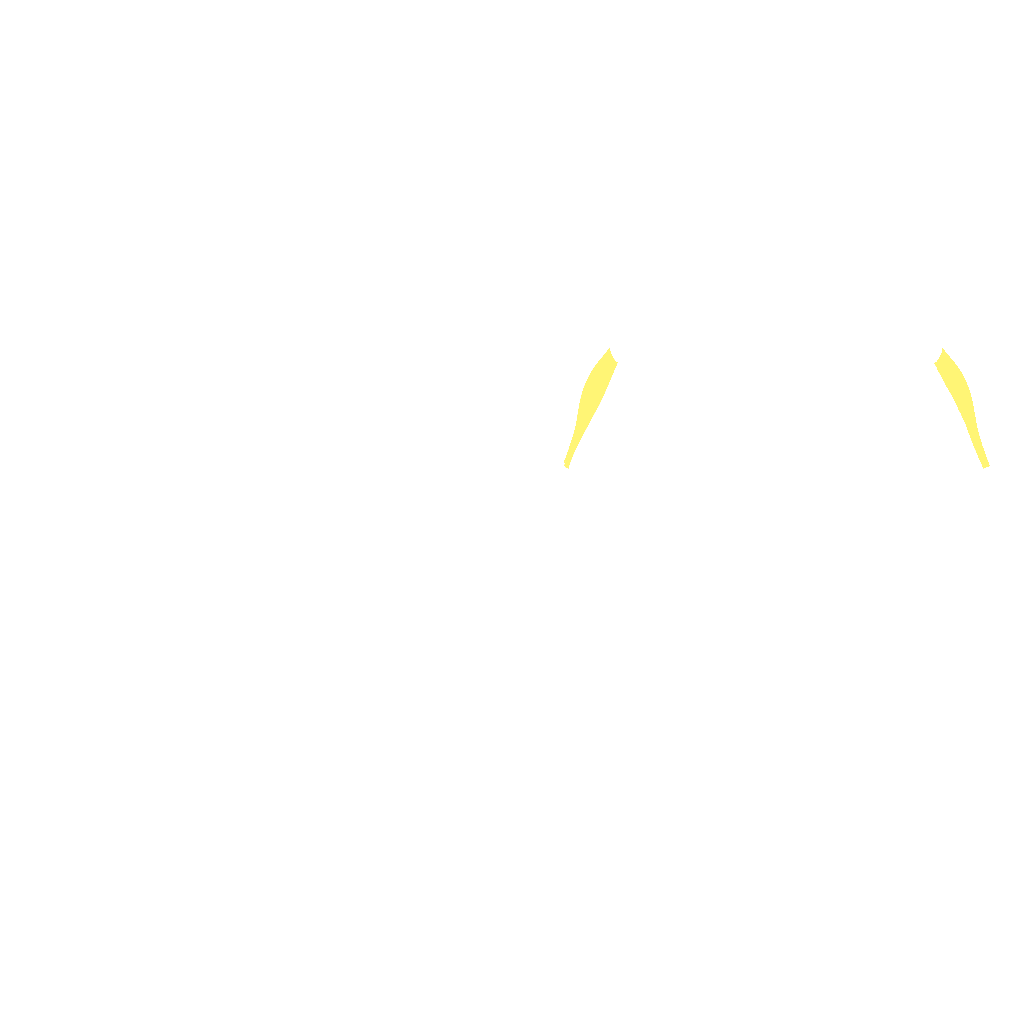
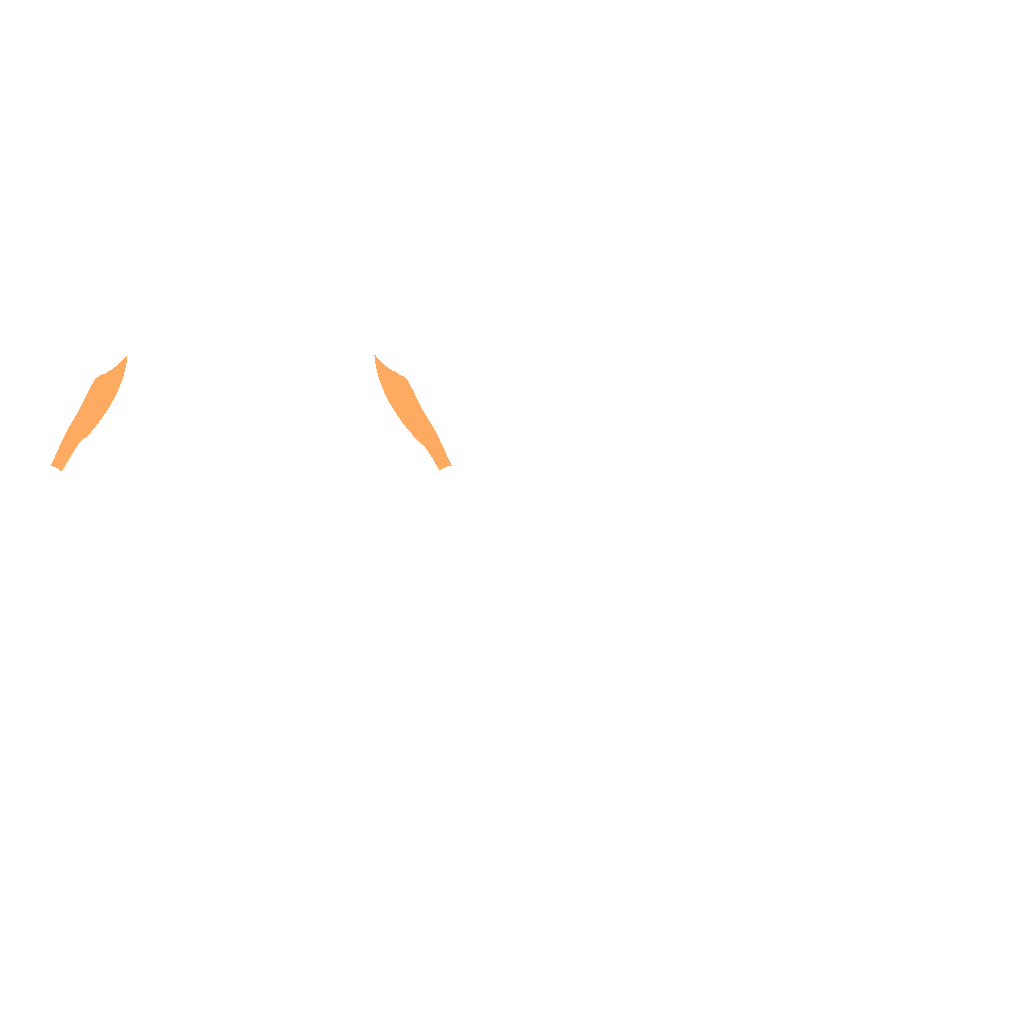
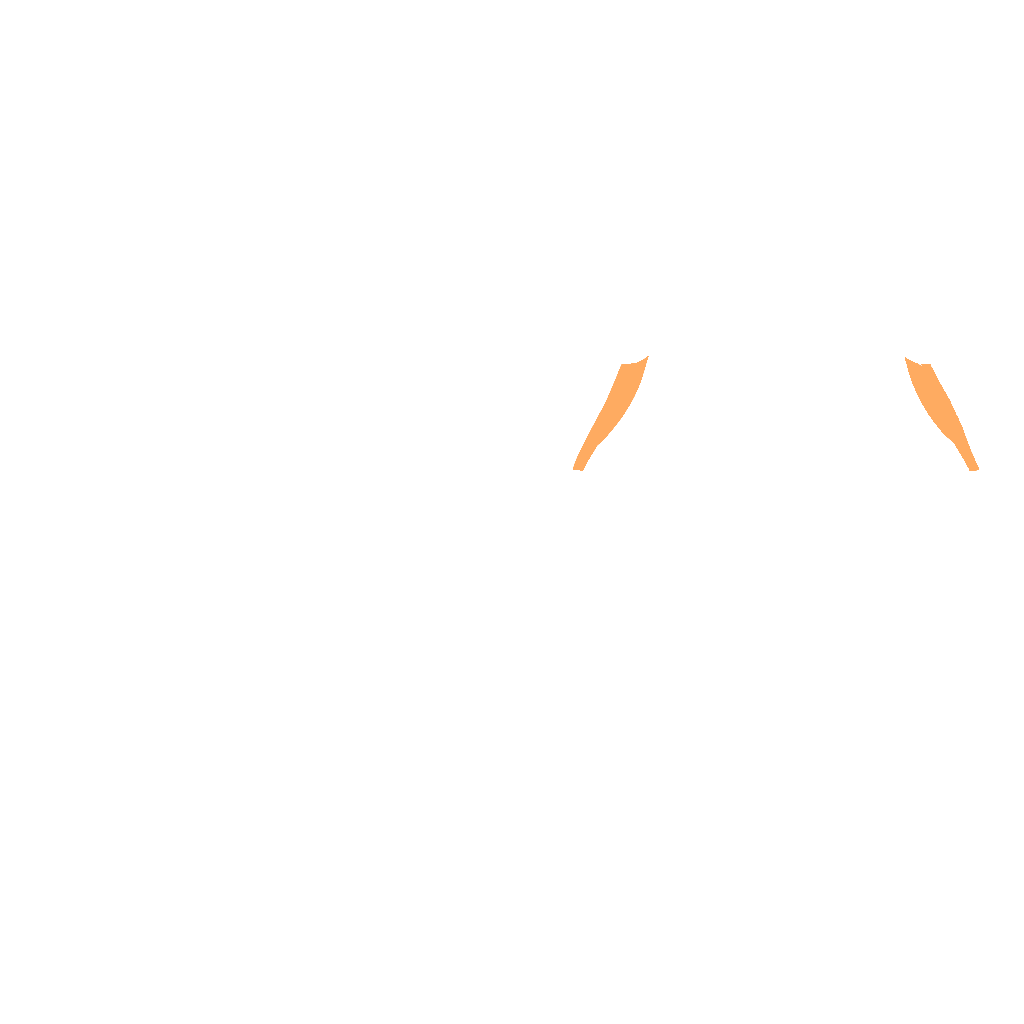
- Latissimus Dorsi, Biceps Brachii Long Head, Biceps Brachii Short Head
- Browse by movement
- Vertical Pull









- Target
- Latissimus Dorsi, Biceps Brachii Long Head, Biceps Brachii Short Head
- Secondary
- Trapezius Middle, Trapezius Lower, Brachioradialis
- Tertiary
- Deltoid Posterior, Infraspinatus, Extensors
How to do it
- 1
Set the rings above head height and take a false grip so the heel of each hand sits on top of the ring.
- 2
Hang with straight arms, shoulders packed down, and the wrists bent over the rings.
- 3
Pull the rings toward your lower chest, keeping them close to your body and the false grip locked.
- 4
Aim to bring the sternum toward the rings rather than just clearing the chin.
- 5
Lower under control to a full hang without losing the false grip, then repeat.
Tips
- Keep the wrists cranked over the rings the whole rep; sliding out of the grip defeats the purpose.
- Pull high toward the sternum to build the height needed for a muscle-up transition.
- Expect wrist discomfort at first and build volume gradually to condition the tissues.
Variations
Common mistakes
- The ring sits across the middle of the palm instead of under the wrist, so the heel of the hand never gets on top and the grip rolls as soon as the pull starts.
- Rings are left hanging however they fell, when the ring needs turning so its edge sits against your forearm; set the ring angle before you take your weight.
- Sweat is the enemy of this grip. Chalk the heel of the hand, or wear a wristband, and dry the rings between sets rather than re-gripping harder.
- The false grip gets abandoned on the way down and reset at the bottom of every rep, which wastes the part of the set that conditions the wrist most.
- Wrist discomfort gets treated the same as sharp pain, and they are not the same thing. A dull ache across the front of the wrist is expected early on; a sharp line inside the wrist means stop for the day.
- Rings get set low enough that the knees have to bend, and from there a small leg drive sneaks into every rep; hang them high enough to start from a full still hang.
Frequently asked
- How many false-grip pull-ups should you do when you are new to the exercise?
- Three or four sets of 3 to 5 reps, resting two minutes, two or three times a week, and expect the wrists rather than the lats to set the limit for the first month. Before starting, own 8 to 10 ring pull-ups with a normal grip. Build in stages: false-grip hangs of 10 to 20 seconds, then slow negatives, then full reps. Add reps before height, and when five reps bring the sternum to the rings you are ready to start transition work.
- What can I use instead of rings for the false-grip pull-up?
- A suspension trainer with round handles is the closest match, since the handle can sit under the wrist. A straight bar can be gripped false, but its thickness forces a sharper wrist angle and it does not teach the rotation a ring muscle-up needs, so treat that as wrist conditioning only. Without either, false-grip holds on a low bar with your feet on the floor, and inverted rows done with the wrists cocked over the bar, build the same tolerance at a fraction of the load.
- What is the false-grip pull-up good for, and when is it a poor choice?
- It exists to prepare you for the ring muscle-up: the wrist position is what lets you rotate over the rings, and the high pull to the sternum is the height the transition needs. It builds serious lat and biceps strength along the way. It is a poor choice as your main pull-up variation if rings and muscle-ups are not your goal, because the grip caps the load long before your back is worked, and a poor choice with a current wrist injury or inner-forearm tendon pain.
Related exercises
Other movements among FitRay's 2,000+ exercises that load the same target muscle — same equipment and level first.
- IntermediateMuscle-Up Transition DrillPull-Up Bar · Rings · Biceps
- IntermediateSkin-the-CatRings · Back · Shoulder
- AdvancedRing Muscle-UpRings · Lats · Triceps
- IntermediateChin-UpPull-Up Bar · Back · Lats
- IntermediateBarbell PulloverBarbell · Bench · Chest
- IntermediateBurpee Pull-UpPull-Up Bar · Lats · Quads