Fingers-Down Wall Forearm Stretch
Pressing the backs of the hands into a wall lets gravity and a small lean do the work, so you can relax the arm completely. The fingers-down position drives the wrists into flexion and stretches the extensor group along the top of the forearm. It is an easy hold to slot into a mobility circuit or a warm-up.
- Equipment
- Body Weight
- Body part
- Forearms
- Type
- Stretching
- Browse by muscle
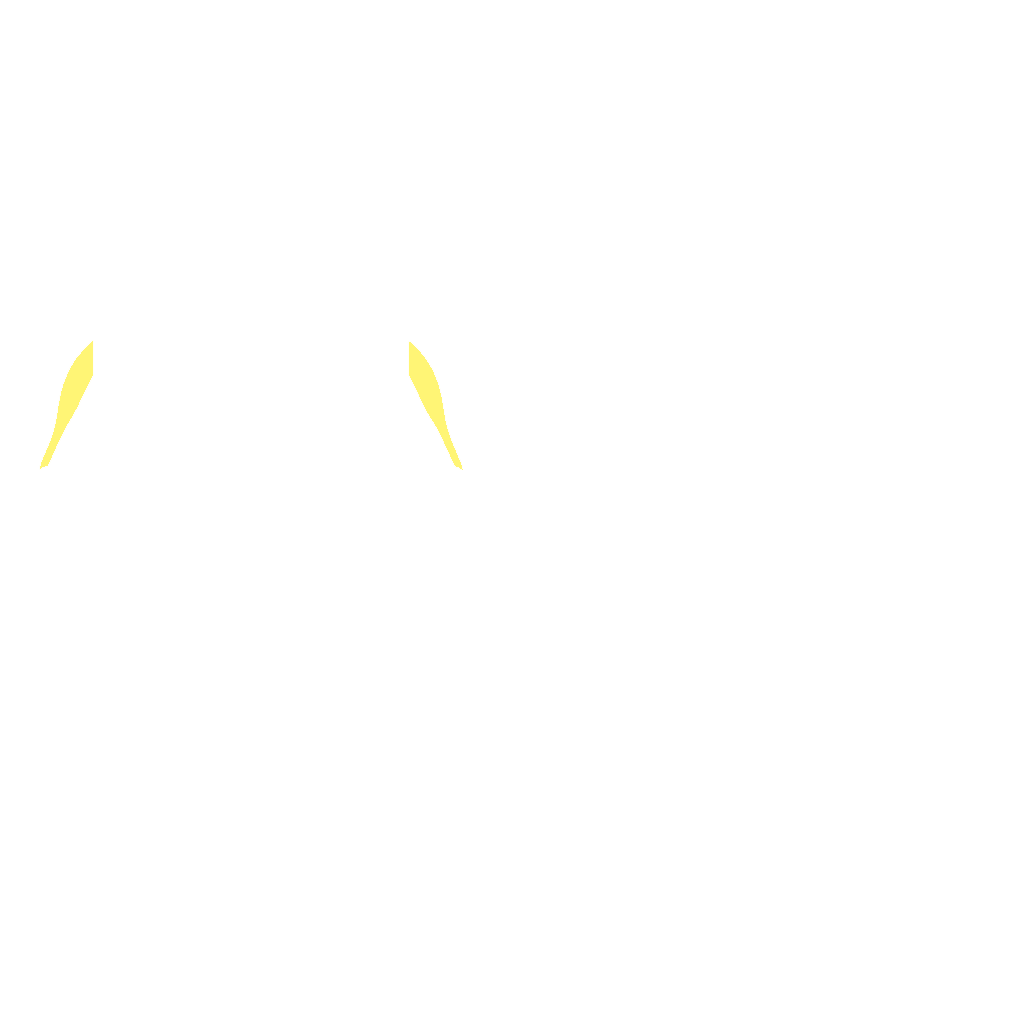
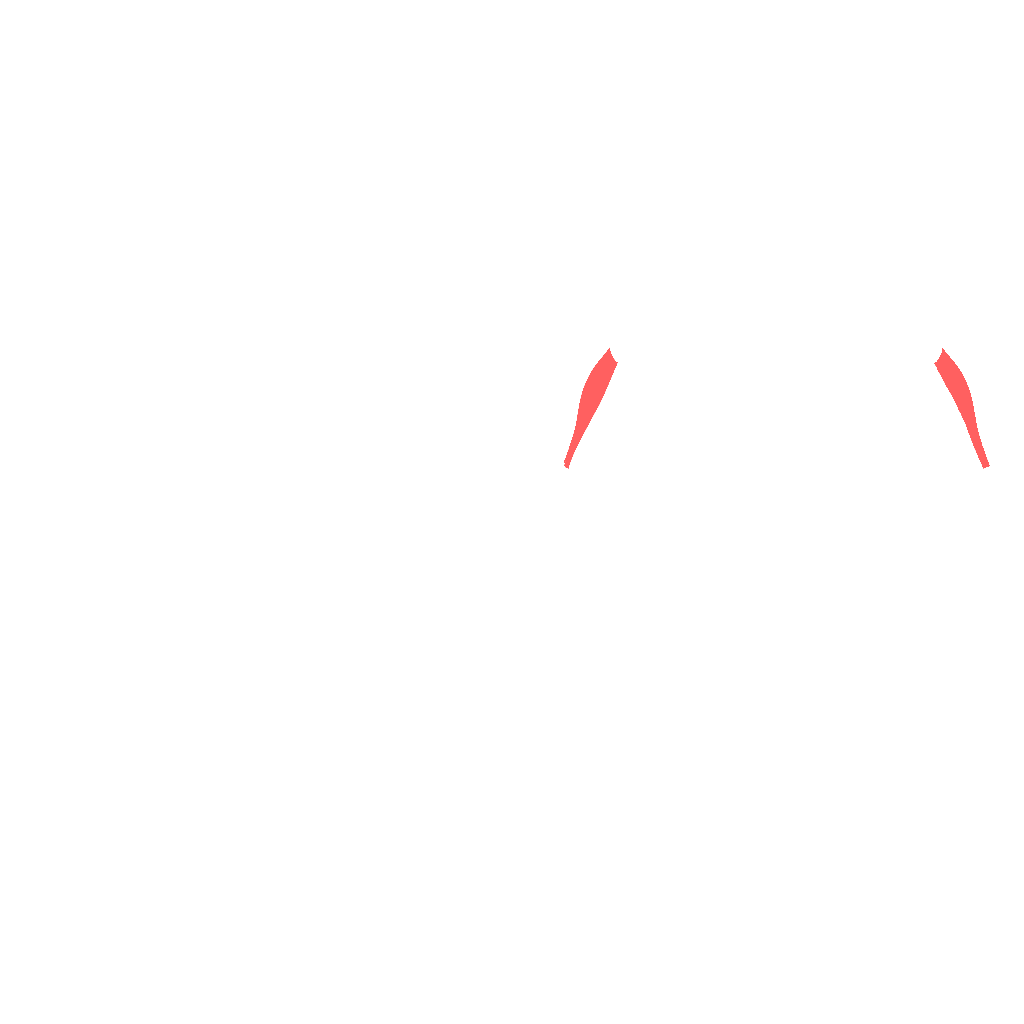
- Extensors


- Target
- Extensors
- Secondary
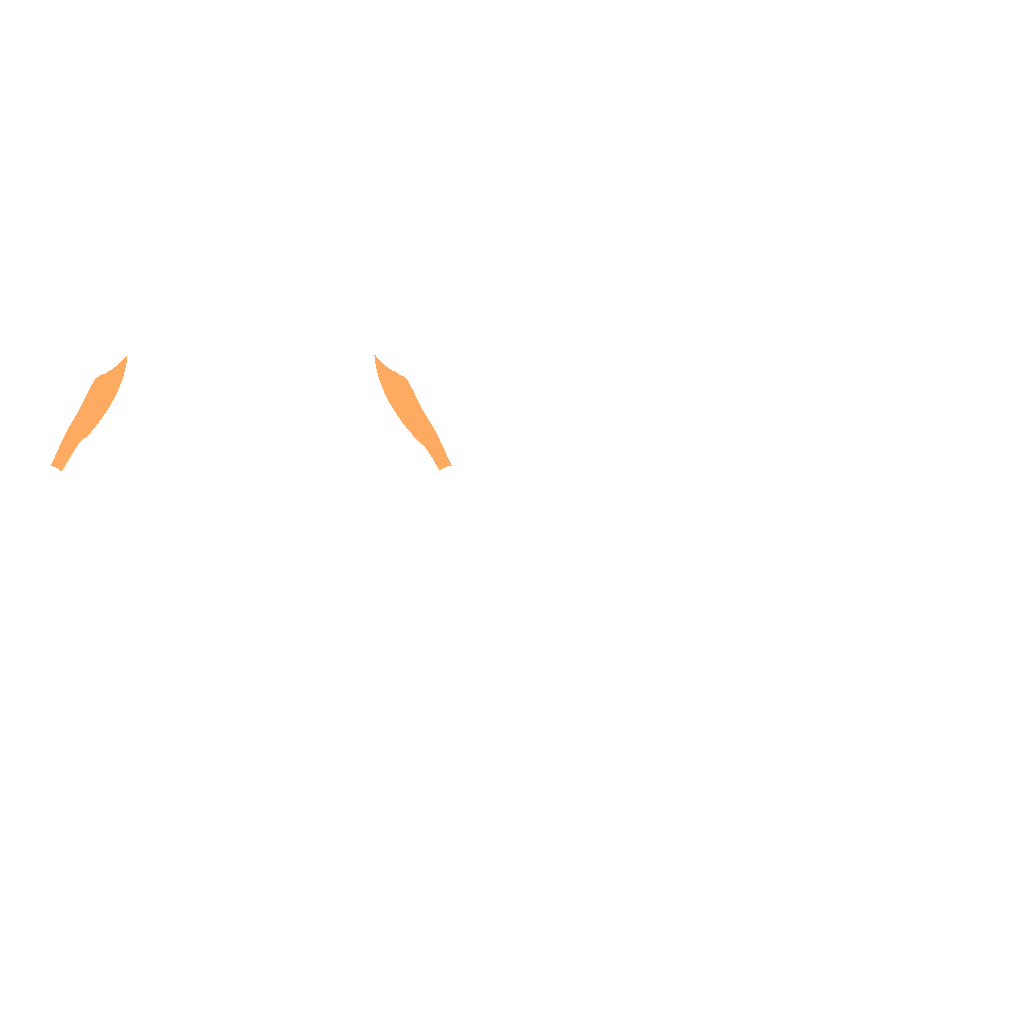
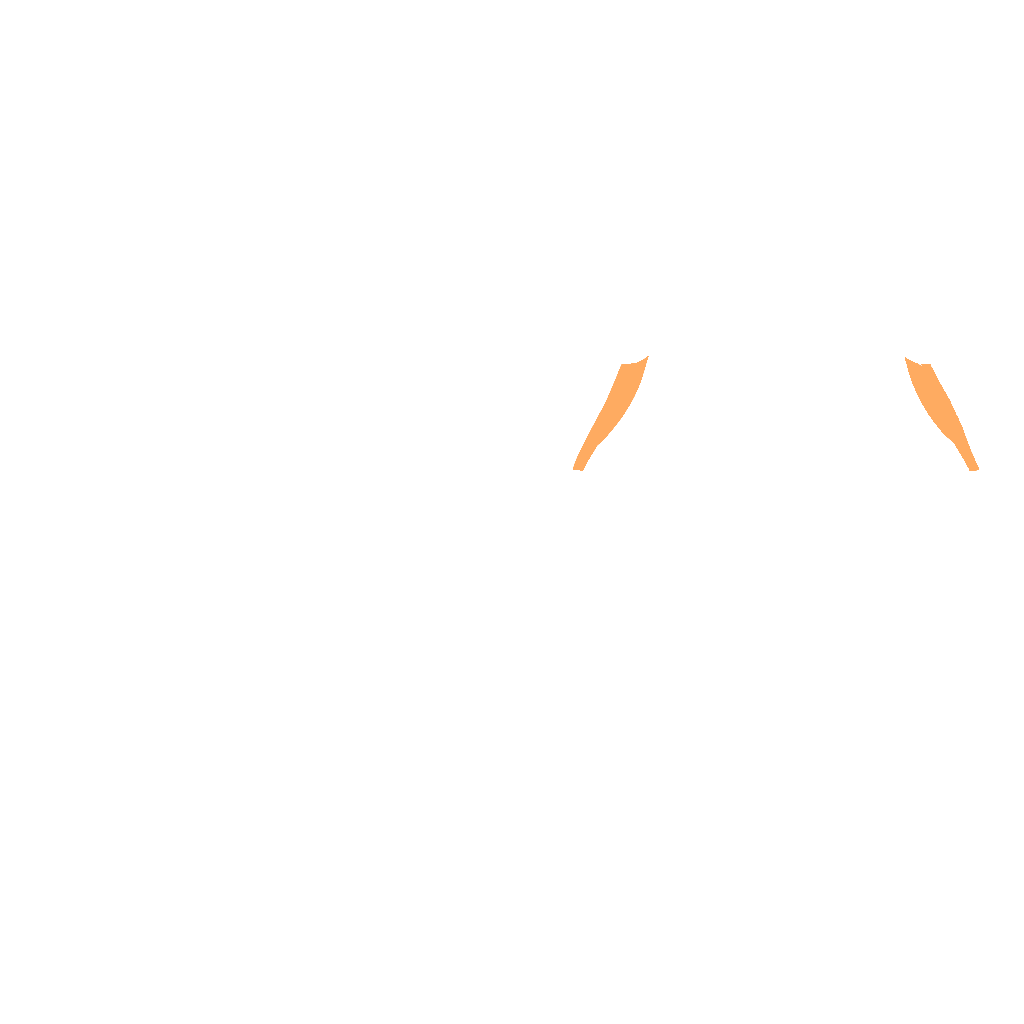
- Brachioradialis
- Tertiary
- Extensor Carpi Ulnaris
How to do it
- 1
Stand facing a wall and place the backs of both hands flat against it at about chest height, fingers pointing down.
- 2
Keep the elbows softly straight and the shoulders relaxed.
- 3
Gently press the backs of the hands into the wall and lean in slightly to increase the stretch.
- 4
Feel the pull spread across the tops of both forearms and hold for 20 to 30 seconds.
- 5
Ease off the wall, shake the hands out, and repeat once more.
Tips
- Keep the pressure even across the whole back of the hand rather than just the knuckles.
- If the wrists feel pinched, lower the hands on the wall to soften the angle.
- Relax the fingers; a clenched hand blunts the stretch.
Variations
Common mistakes
- Hands placed down at hip height soften the wrist angle so much that little reaches the forearm; start at chest height and lower them only if the joint pinches.
- Leaning with the hips pushes the chest away from the wall and the hands creep down it; keep the body in one line and lean from the ankles instead.
- The elbows bend as you lean in, which hands the pressure to the shoulders while the long extensors that cross both elbow and wrist go slack.
- Both hands get pressed at once, which is quick but hides the tighter side; give the stiffer forearm an extra round on its own.
- Thumbs get pressed flat against the wall along with the fingers, so the thumb joint takes pressure it does not need; let them hang off the contact.
Frequently asked
- How long should you hold the fingers-down wall forearm stretch?
- Two holds of 20 to 30 seconds, with a shake-out between them. Both arms work at once, so the whole thing costs under a minute, which makes it easy to repeat two or three times a day if you type or grip for a living. It also fits between sets of pull-ups, rows, or grip work, when the forearms are already loose and give up length readily. Progress by stepping the feet back an inch so the lean deepens, rather than by pressing harder with the hands.
- How do you make the fingers-down wall forearm stretch easier or harder?
- Easier: set the hands lower on the wall, stand closer so the lean is slight, and keep a small bend in the elbows. One hand at a time, with the other hand controlling the pressure, gives you the finest control of all. Harder: bring the hands up toward shoulder height, step the feet further back, or take it to the floor on all fours with the backs of the hands down, where body weight sets the depth. Stop short of any pinch in the front of the wrist.
- What is the fingers-down wall forearm stretch good for?
- It stretches the extensors along the tops of both forearms at once with nothing to hold and nothing to set up, which is why it slots so easily into a mobility circuit or a gap between sets. The wall does the work, so the arm can relax completely. It is a poor choice for a wrist that is sensitive to being pressed flat, since the wall fixes the angle and you cannot fine-tune the force the way a one-handed pull allows. It also leaves the palm side of the forearm untouched, so the flexors need their own position.
Related exercises
Other movements among FitRay's 2,000+ exercises that load the same target muscle — same equipment and level first.
- BeginnerKneeling Forearm Extensor StretchBody Weight · Forearms
- BeginnerQuadruped Wrist RockBody Weight · Forearms
- BeginnerReverse Prayer Wrist StretchBody Weight · Forearms
- BeginnerStanding Forearm Extensor StretchBody Weight · Forearms
- BeginnerThumb and Hand StretchBody Weight · Forearms
- BeginnerWrist CARsBody Weight · Forearms