Thumb and Hand Stretch
The thumb does an enormous amount of work and almost never gets stretched. Drawing it gently across the palm and back opens the web of the hand and the muscles that run up into the forearm. This is a soothing option for climbers, lifters, and anyone with a heavy keyboard habit.
- Equipment
- Body Weight
- Body part
- Forearms
- Type
- Stretching
- Browse by muscle
- Extensors


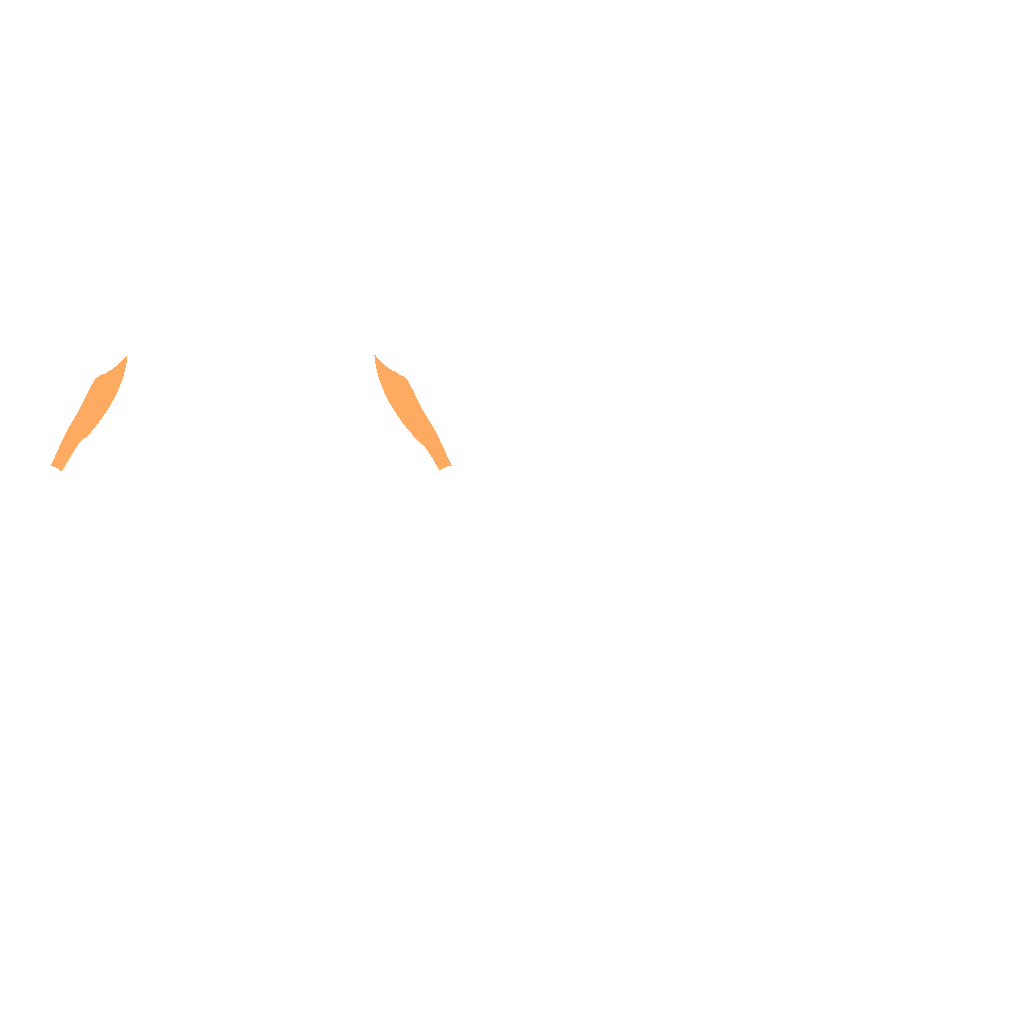
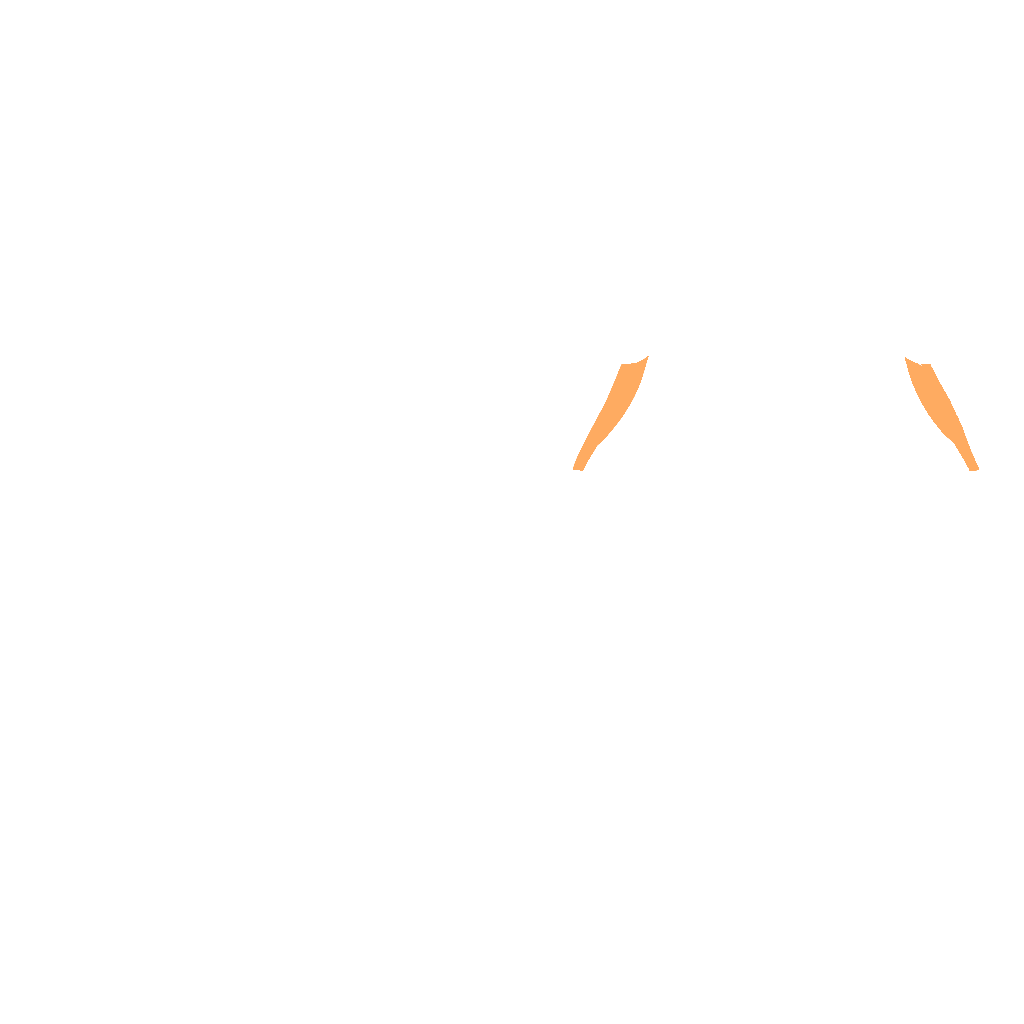
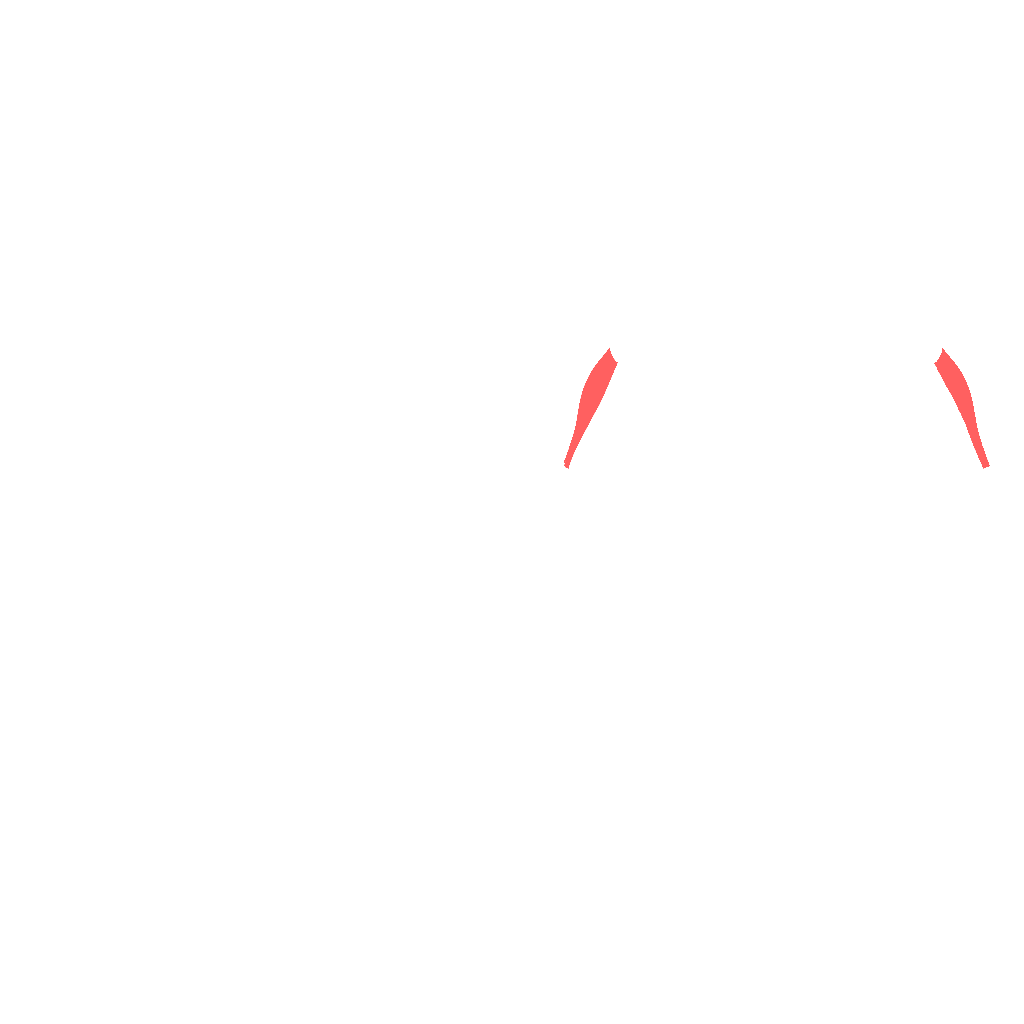
- Target
- Extensors
- Secondary
- Brachioradialis
How to do it
- 1
Hold your working hand up with the palm open and fingers relaxed.
- 2
Use the other hand to gently draw the thumb down and across toward the base of the little finger.
- 3
Hold at the first firm resistance for 15 to 20 seconds, feeling a pull through the thumb and hand.
- 4
Return the thumb to neutral, then gently pull it back and away from the palm to stretch the other side.
- 5
Open and close the hand a few times, then repeat on the other side.
Tips
- Move only to a mild stretch; the thumb joint is small and dislikes force.
- Keep the wrist still so the stretch stays in the hand and thumb.
- Finish by slowly spreading all five fingers wide to open the whole hand.
Variations
Common mistakes
- The pulling hand grips and twists at the thumb's middle joint instead of the base, loading a smaller joint that was not built for this much stretch force.
- Chasing a deeper pull each session instead of holding the same comfortable range trains the thumb to expect more force than the joint should handle.
- The thumb-specific holds get rushed while the finishing finger-spread gets most of the attention, since it feels more satisfying than the targeted thumb pull.
- The other fingers curl in tight while the thumb gets pulled, tensing the whole hand instead of keeping it relaxed and open.
- The same short hold time gets used for both stretch directions without noticing that one of them usually needs longer to ease into.
Frequently asked
- How long should a beginner hold the thumb and hand stretch?
- Hold each direction, across the palm and back away from it, for 15 to 20 seconds, once or twice per side. This is a stretch, not a strength drill, so the useful progression is doing it more often through the day, such as during typing breaks, rather than holding any single rep longer.
- How do you make the thumb and hand stretch easier or harder?
- Make it easier by using very light pressure from the other hand and stopping well before any firm pull. Make it harder, gradually, by holding at the first firm resistance a few seconds longer once your hand tolerates the stretch well, but the thumb joint is small, so more force is rarely the right way to progress it.
- What is the thumb and hand stretch good for, and who should be gentle with it?
- It opens the web of the hand and the muscles running into the forearm, which is a soothing option for climbers, lifters, and anyone with a heavy keyboard habit. Be gentle, or skip it, if you have thumb joint pain such as early arthritis at the base of the thumb, since that joint is already sensitive to added stretch force.
Related exercises
Other movements among FitRay's 2,000+ exercises that load the same target muscle — same equipment and level first.
- BeginnerFingers-Down Wall Forearm StretchBody Weight · Forearms
- BeginnerKneeling Forearm Extensor StretchBody Weight · Forearms
- BeginnerQuadruped Wrist RockBody Weight · Forearms
- BeginnerReverse Prayer Wrist StretchBody Weight · Forearms
- BeginnerStanding Forearm Extensor StretchBody Weight · Forearms
- BeginnerWrist CARsBody Weight · Forearms