Half Lotus Pose
Half Lotus is the accessible gateway to full Lotus, opening one hip into external rotation at a time. It works beautifully as a seated stretch or a meditation posture and gently lengthens the inner thigh and outer hip. Alternate the top leg so you build symmetry rather than favoring one side.
- Equipment
- Body Weight
- Type
- Stretching, Yoga
- Browse by muscle
- Adductor Longus, Gluteus Medius


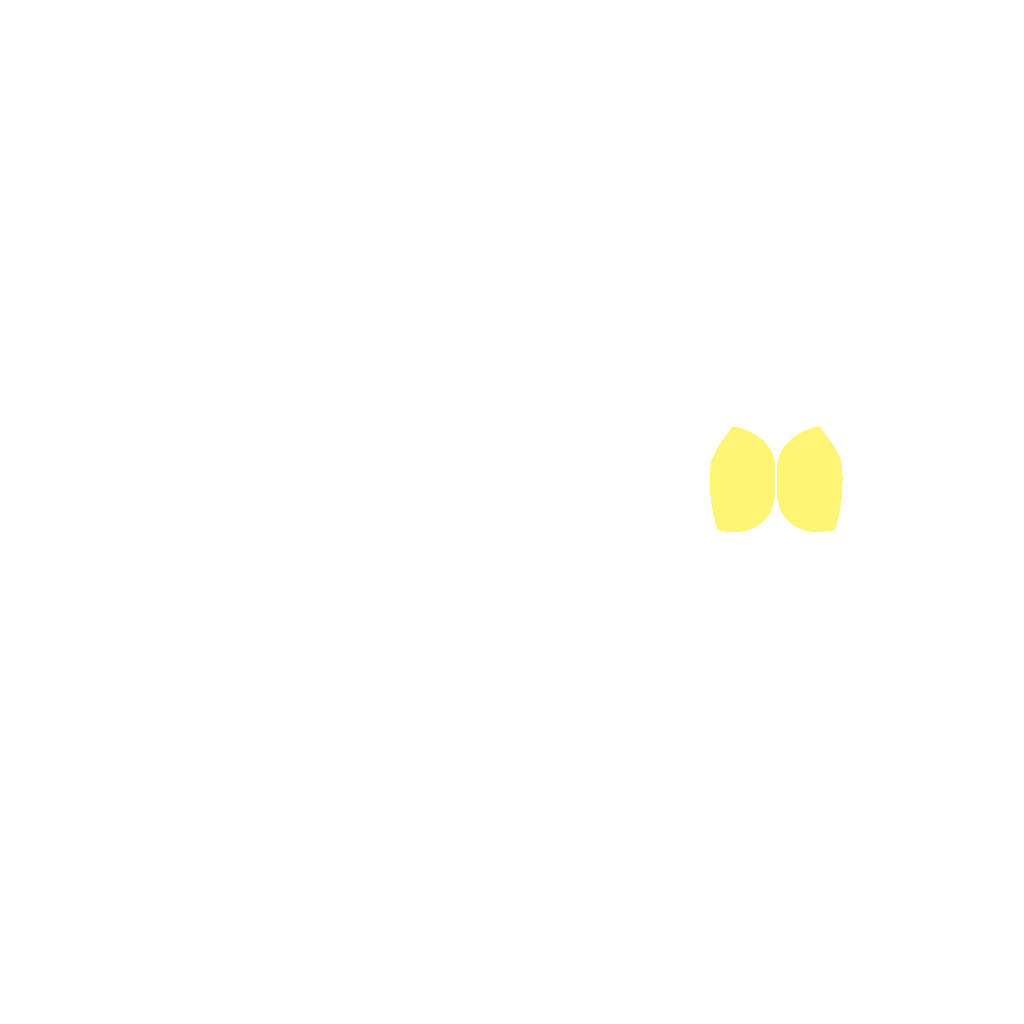
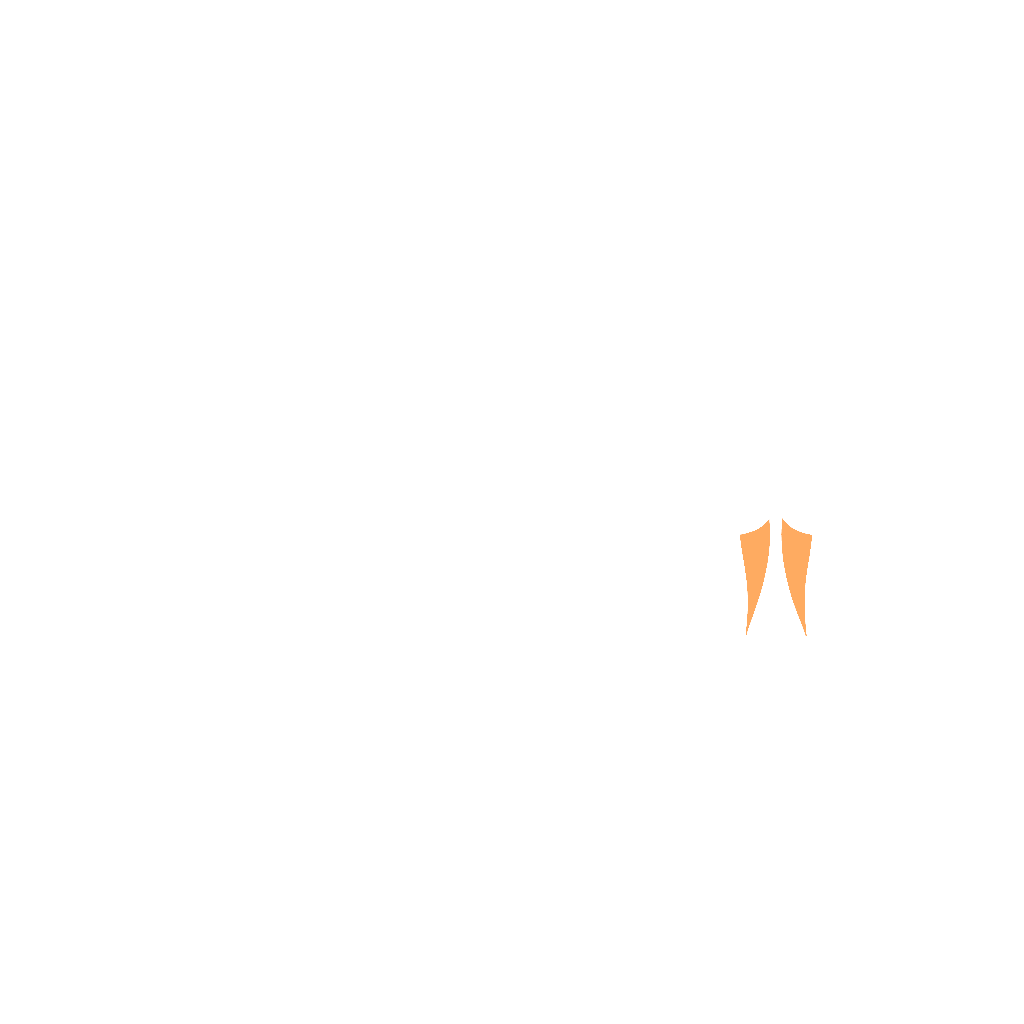
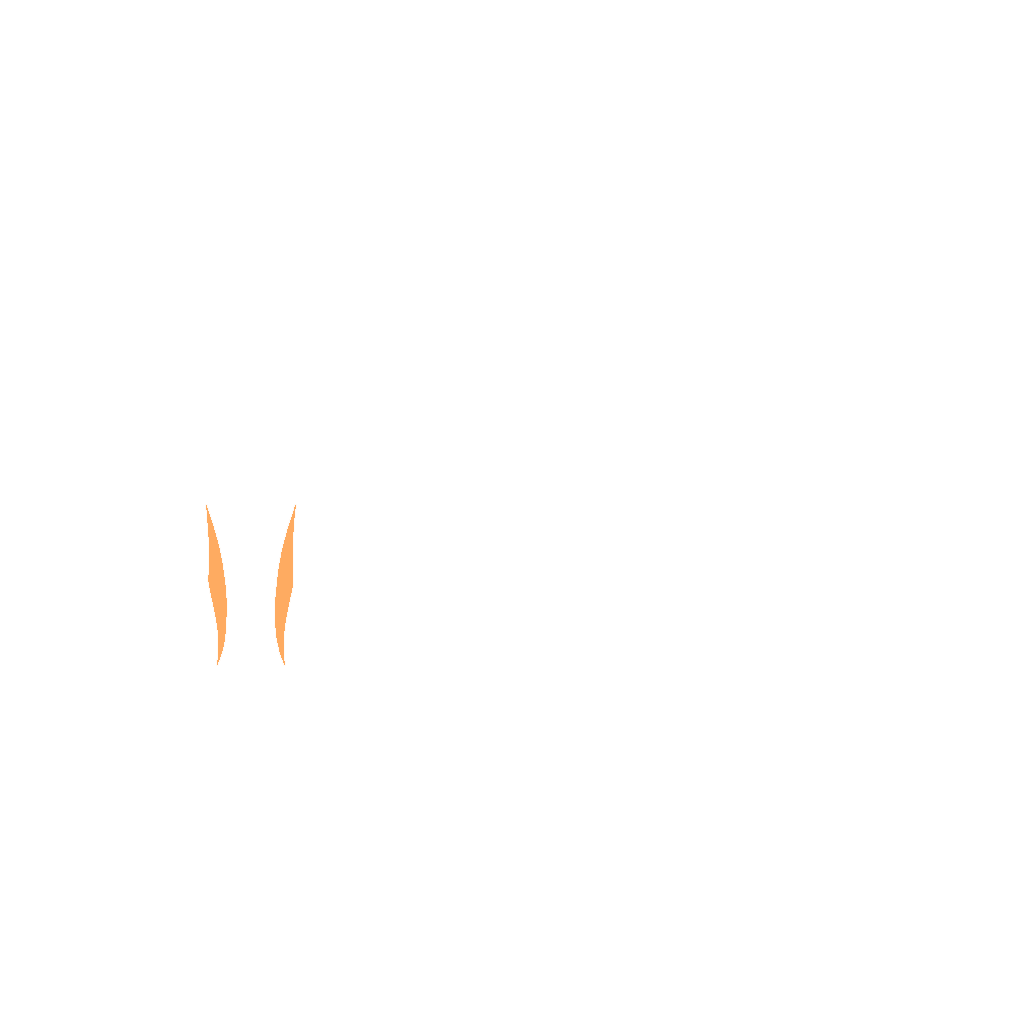
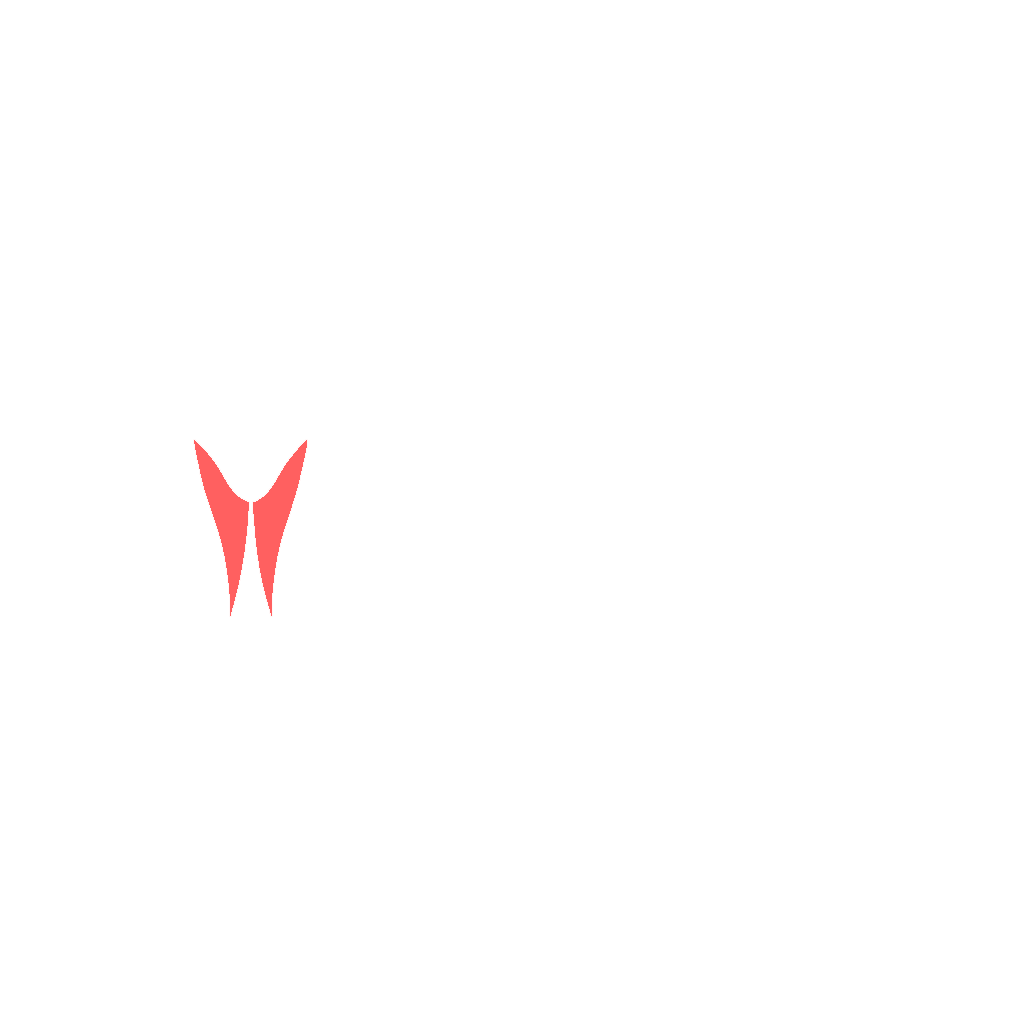
- Target
- Adductor Longus, Gluteus Medius
- Secondary
- Adductor Magnus, Sartorius
- Tertiary
- Gluteus Maximus
How to do it
- 1
Begin in a simple cross-legged seat with the spine tall.
- 2
Lift one foot and place it on top of the opposite thigh, sole up.
- 3
Let the lifted knee release toward the floor as the hip externally rotates.
- 4
Keep the lower shin comfortable underneath and the pelvis level.
- 5
Rest the hands on the knees and breathe slowly for the hold.
- 6
Switch the top leg after an equal number of breaths on each side.
Tips
- Support the top knee with a block or blanket if it hovers high off the floor.
- Keep both sit bones grounded so the stretch stays in the hip and not the low back.
- Ease out the moment you feel any pinch or torque at the knee joint.
Variations
Common mistakes
- The top knee hovers high in the air and the hip has to hold it there, so a stretch becomes a strain at the front of the hip; slide the foot lower onto the shin until the knee can settle.
- Sitting flat on a hard floor tips the pelvis back, and from there the hips cannot rotate so the knee takes the difference; a folded blanket under the sit bones changes the pose more than effort does.
- The bottom ankle ends up pinned under the top thigh with your weight on it, which is what makes that foot fall asleep; shift the lower shin forward until nothing presses.
- The torso leans away from the crossed side to coax the knee down, so you sit on one sit bone and the rotation comes out of the spine instead of the hip.
- Hold time gets chased before the knee has settled, and fifteen minutes in a seat the hip is fighting leaves the joint sore for days; a few easy minutes a side is worth more.
Frequently asked
- How long should I hold half lotus pose on each side?
- One to three minutes per side to start, then change the top leg, one or two rounds. If you are using it as a meditation seat, swap legs halfway through the sitting so one hip is not doing all the rotating. Daily is fine as long as it stays comfortable. Build minutes slowly, and take the position on the stiffer side first so the easier side gets matched to it rather than the other way around.
- How do I make half lotus pose easier or harder?
- Easier: sit up on a cushion or two folded blankets, slide the top foot down onto the shin or calf for a quarter lotus, and prop the top knee on a rolled blanket or block so the hip can let go. A plain cross-legged seat is always available. Harder: lower the hips toward the floor, bring the foot higher into the hip crease, sit for longer, add a forward fold over the crossed legs, or work toward taking the second foot up into full lotus.
- What is half lotus pose good for, and when should I back off it?
- It opens one hip at a time into external rotation and gives you a stable seat for breathing or meditation, which makes it both a useful stretch and the sensible route toward full lotus. Back off whenever the knee of the crossed leg gives any pinch or twinge, and take a cross-legged seat on a cushion instead. It does nothing for hamstring length, low-back mobility or strength, so it belongs alongside other work rather than standing in for it.
Related exercises
Other movements among FitRay's 2,000+ exercises that load the same target muscle — same equipment and level first.
- IntermediateSkater JumpBody Weight · Glutes · Quads
- Intermediate90/90 External Rotation Lift-OffBody Weight · Glutes
- Intermediate90/90 Hip StretchBody Weight · Glutes
- Intermediate90/90 Hip Switch HoverBody Weight · Glutes · Thighs
- Intermediate90/90 Internal Rotation Lift-OffBody Weight · Glutes · Thighs
- IntermediateActive Pigeon Lift-OffBody Weight · Glutes