Half Shoulderstand
Half shoulderstand is the neck-friendly on-ramp to full inversions of this family. The hands support the pelvis and the legs stay angled back over the face rather than fully vertical, which reduces the load traveling into the cervical spine. It builds the core and hip-extensor endurance and the body awareness needed before progressing to a full shoulderstand.
- Equipment
- Body Weight
- Type
- Balance, Strength, Yoga
- Browse by muscle
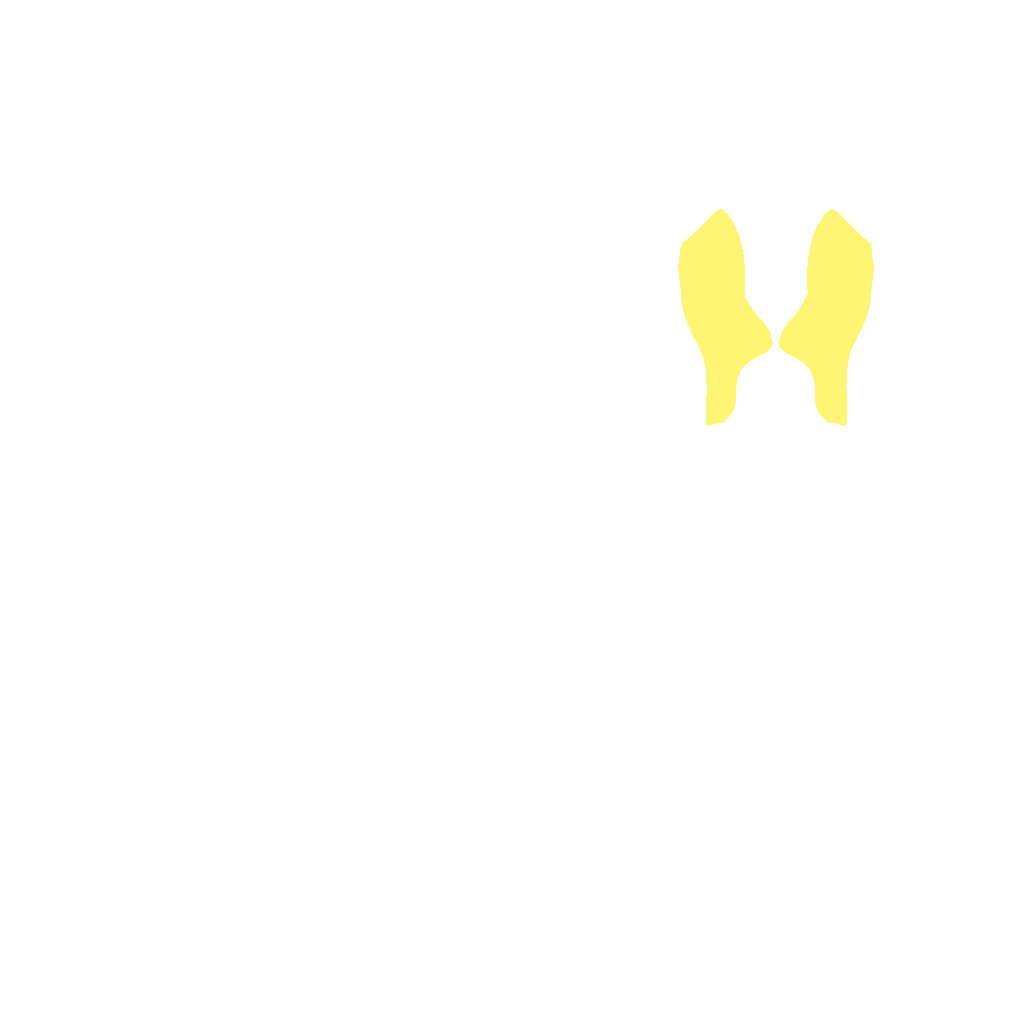
- Lower Rectus Abdominals, Erector Spinae, Gluteus Maximus
- Browse by movement
- Core Brace












- Target
- Lower Rectus Abdominals, Erector Spinae, Gluteus Maximus
- Secondary
- Upper Rectus Abdominals, Triceps Brachii Long Head, Trapezius Upper
- Tertiary
- Splenius, Sternocleidomastoid, Latissimus Dorsi, Deltoid Posterior
How to do it
- 1
Lie on your back, ideally with a folded blanket under the shoulders and the head off its edge.
- 2
Bend the knees and lift the hips, drawing the knees toward the chest.
- 3
Bring the hands to the lower back with the fingers pointing up and the elbows about shoulder-width.
- 4
Press the upper arms down and support the pelvis so the torso rises to a gentle diagonal.
- 5
Extend the legs up and back over the face so the feet sit above the eye line, not straight overhead.
- 6
Hold with slow breathing, then lower the hips into the hands and roll the spine down to exit.
Tips
- Keep the weight on the shoulders and upper arms; the neck should stay soft with a gap under its natural curve.
- Do not turn the head to either side once you are up, and never force the chin hard into the chest.
- Use a folded blanket under the shoulders to protect the cervical spine and let the neck stay long.
- Support the hips actively with the hands rather than hanging the pelvis onto the wrists.
- Skip this pose with neck injury, high blood pressure, glaucoma, or during menstruation or pregnancy if advised.
Variations
Common mistakes
- The legs get taken all the way to vertical, which makes this a full shoulderstand and sends exactly the load into the neck that the half version exists to keep out of it.
- The elbows slide out wide so the hands can reach the back, and from that angle the upper arms cannot press the floor and the chest closes over the throat.
- The head rests on the same folded blanket as the shoulders, so there is no step down for it and the neck has no room to stay long.
- The breath gets held because the position feels strange, and a held breath upside down builds pressure in the head fast; slow nasal breathing is part of the pose.
- Coming down, the hips are released all at once and the back slaps the mat, which is a jolt for a spine that has been arched; lower them into the hands and unroll.
Frequently asked
- How long should a beginner hold the half shoulderstand?
- Two or three rounds of twenty to forty seconds, with a minute lying flat between them, and the breath should stay easy the whole time. Build toward a single ninety-second hold over a couple of months. Finish by lying flat rather than sitting straight up, and if the neck feels anything other than a mild stretch, come down and spend the time with the legs up a wall instead.
- How do I make the half shoulderstand easier or harder?
- Easier: lie with the hips on a bolster or a stack of cushions and the legs up a wall, which gives you the inverted position with no weight on the shoulders at all. Walking the feet up a wall and resting the hips in the hands is the middle step. Harder: hold longer, take one leg straight out over the face while the other stays vertical, or bring both a little further overhead. Adding time beats changing the angle here, because the angle is what protects the neck.
- What is the half shoulderstand good for, and who should skip it?
- It is the on-ramp to this whole family: it builds the core and hip-extensor endurance a full shoulderstand needs, teaches where the weight belongs, and keeps most of the load out of the cervical spine. Skip it with a neck injury, uncontrolled high blood pressure, glaucoma or other eye-pressure conditions, and during menstruation or pregnancy if you have been advised to avoid inversions. As abdominal training it is mild; a dead bug asks far more of the same muscles.
Related exercises
Other movements among FitRay's 2,000+ exercises that load the same target muscle — same equipment and level first.