Supported Shoulderstand at Wall
Entering a shoulderstand from the wall removes the rolling momentum that stresses the neck. By pushing the feet into the wall you lift the hips at your own pace and can bail simply by lowering back down. It is an excellent way to learn the pose's core and hip-extensor engagement and to build confidence before attempting a full unsupported shoulderstand.
- Equipment
- Body Weight
- Type
- Balance, Strength, Yoga
- Browse by muscle
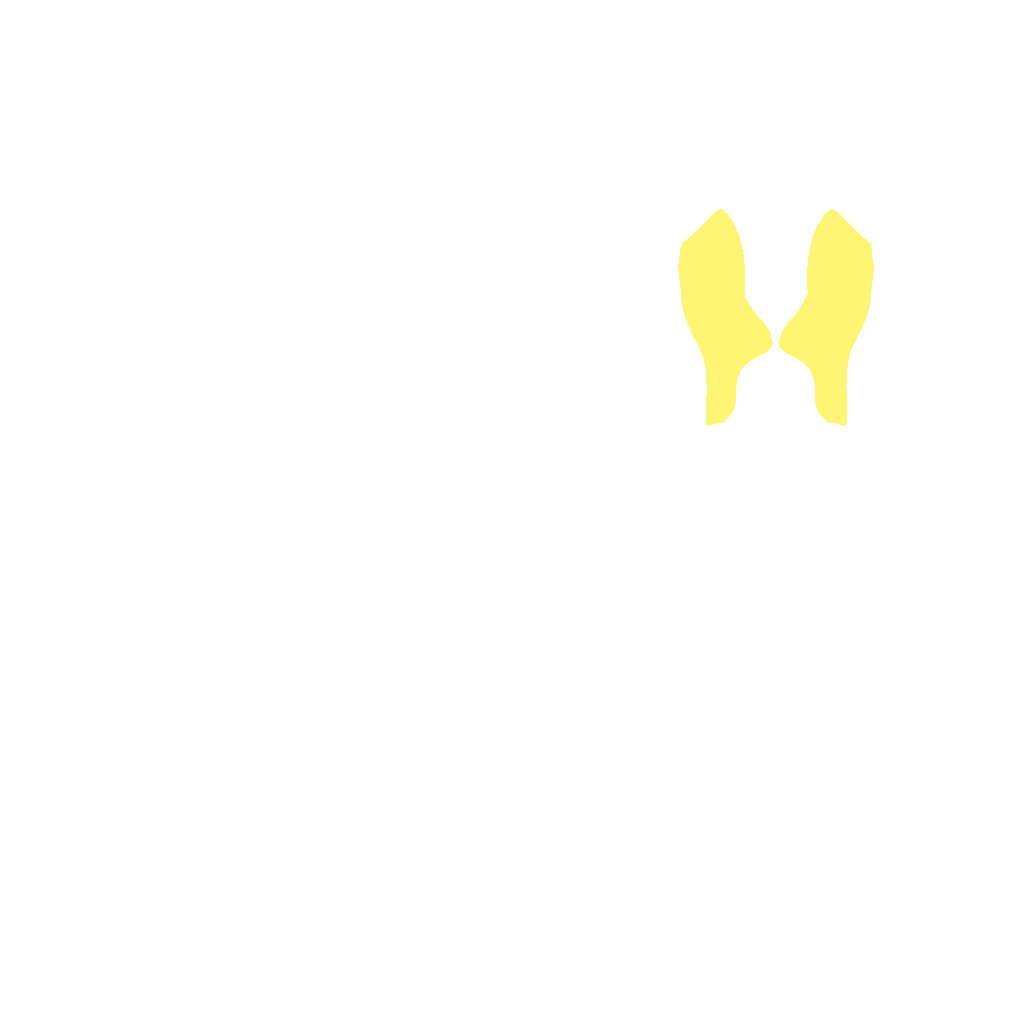
- Lower Rectus Abdominals, Erector Spinae, Gluteus Maximus
- Browse by movement
- Core Brace












- Target
- Lower Rectus Abdominals, Erector Spinae, Gluteus Maximus
- Secondary
- Upper Rectus Abdominals, Trapezius Upper, Triceps Brachii Long Head
- Tertiary
- Splenius, Sternocleidomastoid, Latissimus Dorsi, Deltoid Posterior
How to do it
- 1
Lie on your back with a folded blanket under the shoulders and your hips a forearm's length from the wall.
- 2
Place the feet flat on the wall with the knees bent to about ninety degrees.
- 3
Press the feet into the wall and lift the hips, sliding the hands onto the lower back to support the pelvis.
- 4
Walk the feet a little higher and let the torso rise toward vertical while the arms brace the hips.
- 5
Extend one or both legs upward as balance allows, keeping the weight on the shoulders.
- 6
To exit, return the feet to the wall, lower the hips into the hands, and roll the spine down slowly.
Tips
- Load the shoulders and upper arms, never the neck; keep a soft gap beneath the cervical curve.
- Keep the head still and facing straight up; turning it under load risks the neck.
- Use the blanket under the shoulders every time so the neck stays long and unloaded.
- Let the wall do the work on the way up and down instead of throwing the legs.
- Avoid with neck problems, high blood pressure, eye pressure conditions, or in pregnancy unless cleared.
Variations
Common mistakes
- The hips start too far from the wall, so the knees cannot reach a right angle and the feet have nothing to push into; a forearm's length is the distance to measure.
- The feet push and the hips fly up in one burst, which is precisely the momentum the wall entry exists to remove; press and lift an inch at a time.
- The hands arrive at the lower back only after the hips are already up, leaving a moment with nothing supporting the pelvis and the neck taking the difference.
- The feet walk so high that the torso goes fully vertical and the wall stops contributing; stop where the arms can still brace the hips.
- The exit skips the wall, with the hips dropping straight down or the legs swinging over the head, when returning the feet to the wall first is what makes this version safe.
Frequently asked
- How long should I hold a wall-supported shoulderstand, and how often?
- One or two holds of thirty to sixty seconds, three times a week, with a minute lying flat in between. Keep the first weeks short and frequent rather than long and rare, since the tissue at the back of the neck adapts slowly. When a minute is comfortable and you can extend both legs without the hips dropping into your hands, you have what an unsupported entry asks for.
- What can I use instead of a yoga blanket under my shoulders?
- A folded bath towel works, and so does a doubled-over bath mat or a firm cushion with no give in it. You want one to two inches of even height under the shoulders with the head resting lower, off the edge, so the neck keeps its curve. Avoid a soft pillow, which compresses and lets the shoulders sink to the height of the head. Do not skip the padding to save time: it is the single thing keeping this pose off the neck, and a bare mat leaves the cervical spine flattened under your bodyweight.
- Who is the wall-supported shoulderstand for, and when is it the wrong pick?
- It suits anyone who wants a shoulderstand without the rolling entry, because you can stop at any point and put the feet back on the wall, and it builds the core and hip-extensor control the full pose needs. It is the wrong pick with neck problems, uncontrolled high blood pressure, eye-pressure conditions, or in pregnancy unless your clinician has cleared it. It is also wrong if your shoulders cannot comfortably reach behind you to support the pelvis; legs up the wall gives you the inversion with none of that demand.
Related exercises
Other movements among FitRay's 2,000+ exercises that load the same target muscle — same equipment and level first.