Plow to Shoulderstand Transition
This transition trains the core and back to lift the legs from Plow into a vertical shoulderstand without jerking the neck. Moving slowly between the two shapes builds eccentric control and teaches you to keep the load in the shoulders as the spine rounds and unrolls. It is a staple sequence for shoulderstand practice, but it magnifies neck loading, so control is everything.
- Equipment
- Body Weight
- Type
- Balance, Strength, Yoga
- Browse by muscle
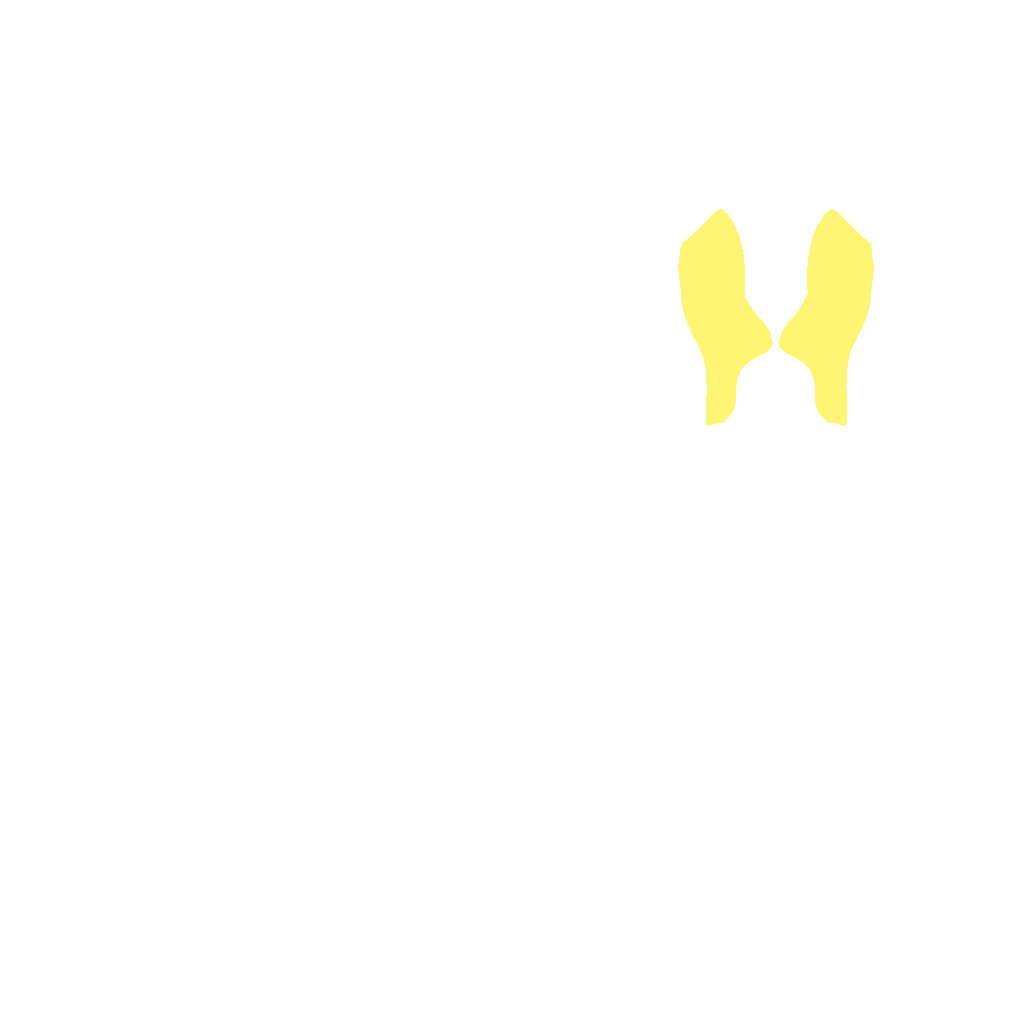
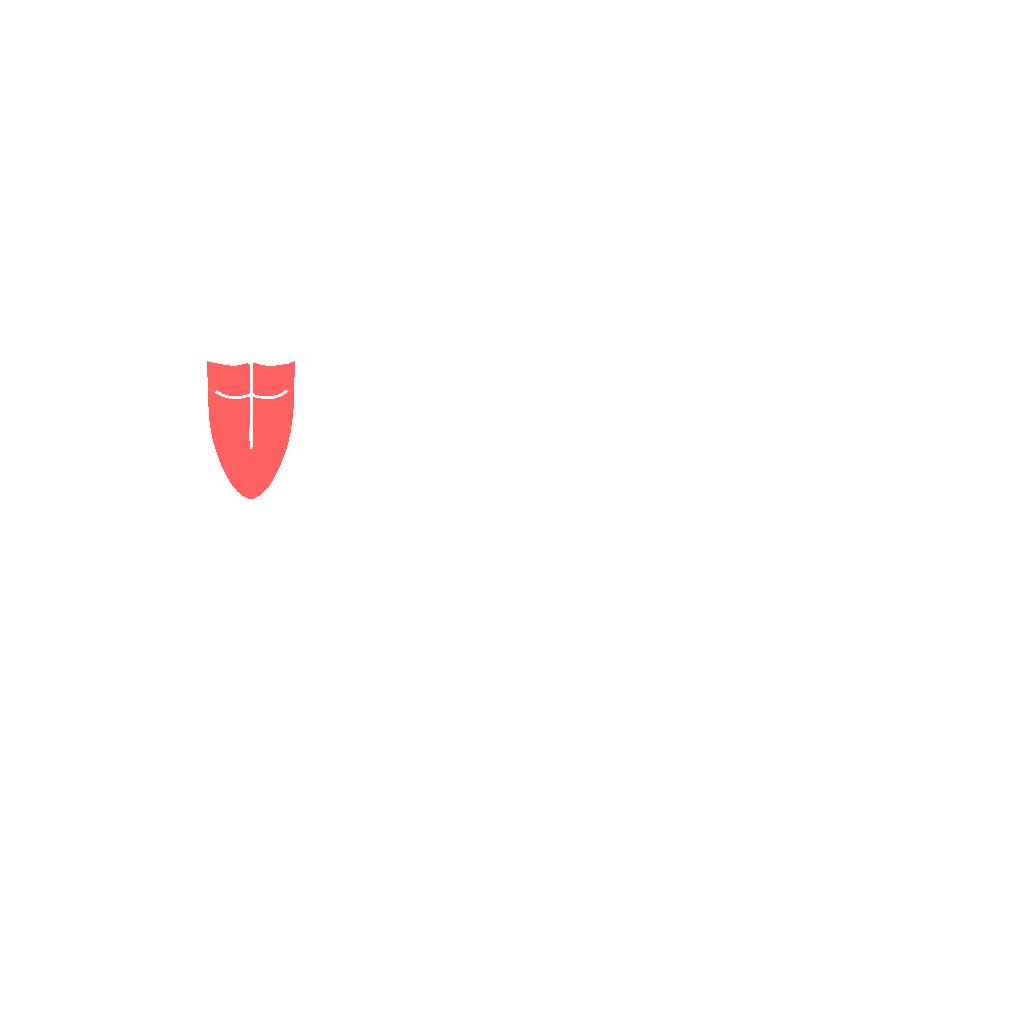
- Lower Rectus Abdominals, Erector Spinae, Upper Rectus Abdominals
- Browse by movement
- Core Brace











- Target
- Lower Rectus Abdominals, Erector Spinae, Upper Rectus Abdominals
- Secondary
- Gluteus Maximus, Trapezius Upper, Triceps Brachii Long Head
- Tertiary
- Splenius, Sternocleidomastoid, Biceps Femoris, Latissimus Dorsi
How to do it
- 1
From lying on your back over a folded blanket, roll the legs overhead and set the toes on the floor behind you in Plow.
- 2
Bring the hands to the lower back, fingers up, and press the upper arms into the mat.
- 3
Press through the arms and engage the core to lift the legs off the floor toward vertical.
- 4
Continue lifting until the torso and legs stack over the shoulders in a shoulderstand.
- 5
Hold briefly, then lower the legs back over the head with control to return to Plow.
- 6
Repeat the lift and lower slowly, then roll the spine down one vertebra at a time to finish.
Tips
- Lift and lower entirely from the core and arms so the neck is never used to hinge the movement.
- Keep the head perfectly still and centered throughout; do not turn it in either shape.
- Use a folded blanket under the shoulders so the cervical spine stays long and unloaded.
- Move at half speed; any momentum dumps force into the neck as you change shape.
- Skip entirely with any neck condition, disc issue, high blood pressure, or eye pressure disorder.
Variations
Common mistakes
- The legs are flung from Plow to vertical in one burst, and that snap is felt exactly where you least want it, at the base of the neck.
- The hands leave the lower back to help with balance during the lift, so the pelvis is unsupported through the hardest part of the range.
- The lower half of the descent gets dropped: the legs come most of the way and then the toes fall the last stretch, so the shape lands rather than arrives.
- Reps get added before a single slow one is clean, and the back half of a rushed set is where the neck pays for the speed.
- Each rep starts wherever the last one finished, so the toes creep closer to the hips in Plow and the spine rounds further every round; reset the feet out behind you first.
Frequently asked
- How many reps of the plow to shoulderstand transition should I do?
- Three to five slow reps in one set, about four seconds up and four down, with two easy breaths at the top of each. One set per session, twice a week, is enough while you are learning. Add a second set only once the last rep looks like the first. Roll the spine down to finish rather than sitting up out of the final rep, and lie flat for a minute afterward.
- How do I make this transition easier or harder?
- Easier: rest the toes on a chair seat or a bolster in the Plow position so the range is shorter, keep the knees bent through the lift, or do the lift alone and exit by unrolling instead of returning to Plow. Harder: take four seconds on the lower, pause a breath halfway down, straighten the legs fully, or add a round. Do not make it harder by speeding up, which is the one change that drives force into the neck.
- What does this transition train, and who should leave it out?
- It trains the abdominals and arms to move your legs through a big range while the shoulders carry the load, and it gives you the eccentric control that makes a shoulderstand arrive quietly instead of with a thud. Leave it out entirely with any neck condition, a disc problem, uncontrolled high blood pressure or an eye-pressure disorder, because the neck is flexed under bodyweight while the shape changes. For the same core pattern lying flat, a slow leg lower from a hollow position is the safer option.
Related exercises
Other movements among FitRay's 2,000+ exercises that load the same target muscle — same equipment and level first.