Hanging Hip Thrust
Starting from a tucked hang, you drive the hips and feet straight up as if thrusting them at the ceiling, a key building block for the toes-to-bar-behind-the-hands and inversion skills. It teaches you to generate compression power from a hollow position and to control the reversal. The lower abs and hip flexors fire hard to launch the pelvis while the lats anchor the movement. Treat it as an advanced gymnastics-strength drill.
- Equipment
- Pull-Up Bar
- Type
- Functional, Strength
- Browse by muscle
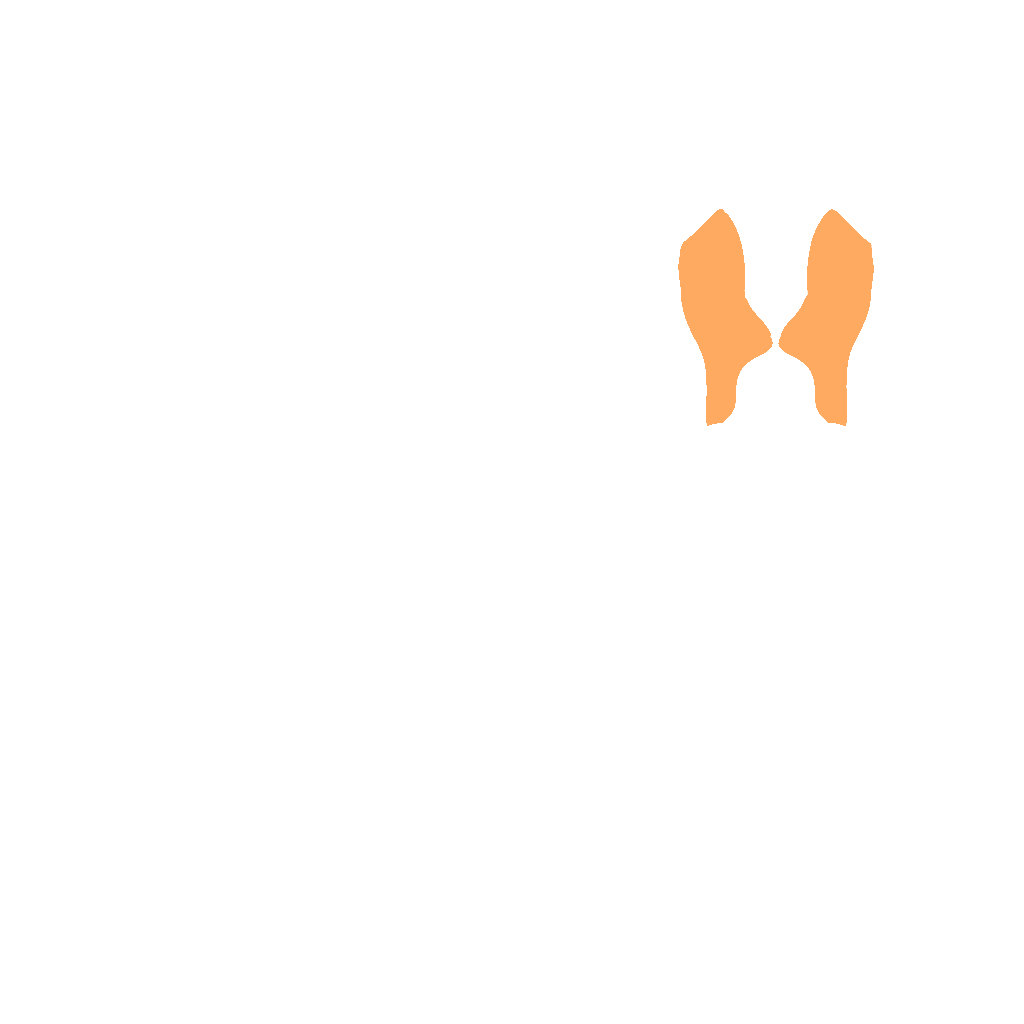
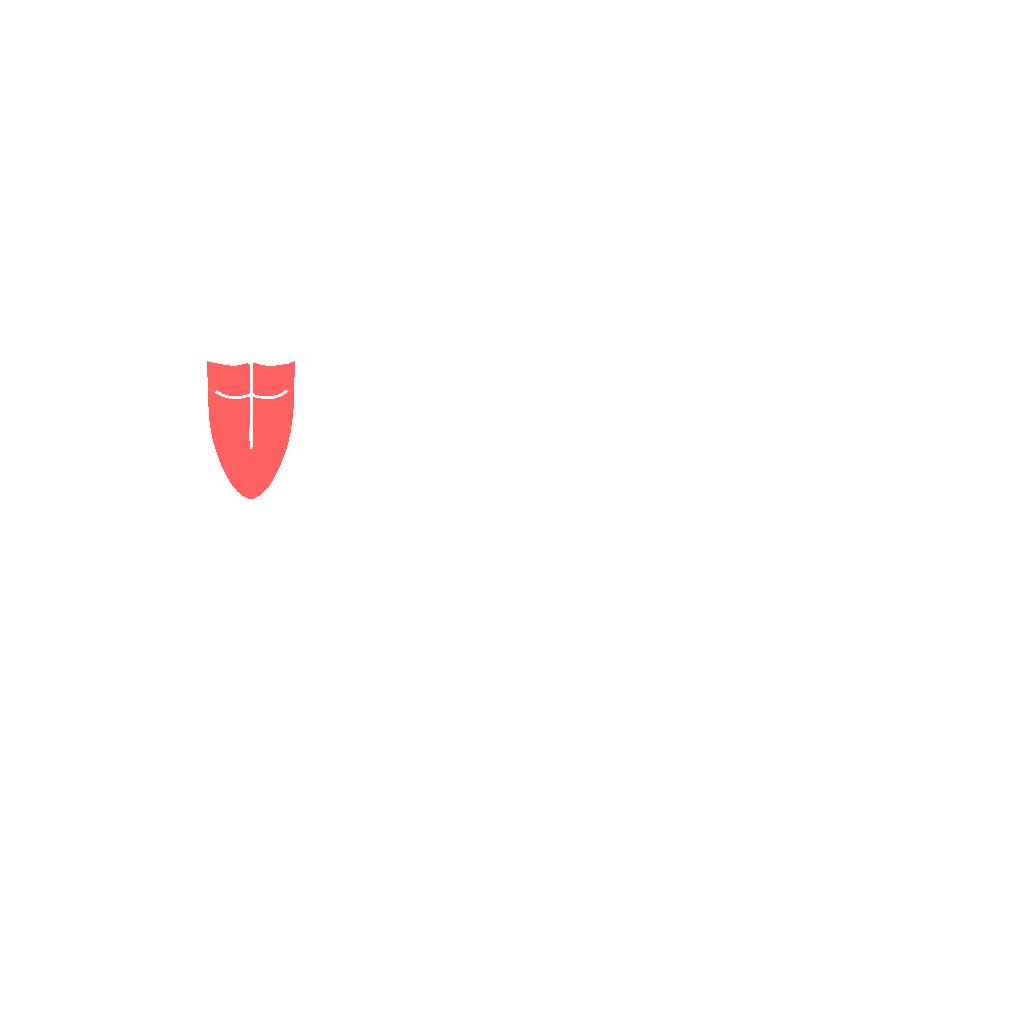
- Lower Rectus Abdominals, Upper Rectus Abdominals
- Browse by movement
- Hinge







- Target
- Lower Rectus Abdominals, Upper Rectus Abdominals
- Secondary
- Rectus Femoris, Latissimus Dorsi
- Tertiary
- Abdominal External Oblique, Brachioradialis
How to do it
- 1
Hang from the bar with an overhand grip and pull into a hollow, tucked position with knees toward the chest.
- 2
Forcefully extend the hips to drive the feet and pelvis upward toward the bar and ceiling.
- 3
Aim to get the hips high and the body compact rather than swinging the legs forward.
- 4
Absorb the return by re-tucking into the hollow hang under control.
- 5
Exhale sharply on the thrust and stay tight through the reversal.
- 6
Reset the hollow position before each rep to keep the power clean.
Tips
- Think punch the feet up, not kick the feet out, to keep the drive vertical.
- Stay hollow through the shoulders so the energy transfers into the hips.
- Master a strict tuck raise before chasing height on the thrust.
Variations
Common mistakes
- Each rep starts before the last one has settled, so the swing compounds and the drill turns into timing a pendulum. Come to a still hang before you tuck again.
- Straightening the knees early to reach higher lengthens the lever and empties the drive at the exact moment you need it, so stay compact until the hips are up.
- The shoulders go passive between reps and the ears end up level with the hands, which leaves the lats unable to anchor the next thrust.
- The legs drop back down at the finish and the lower back snaps into an arch at the bottom of the hang, so the return deserves as much attention as the drive itself.
- Grip gives out before the abs do on a long set, and the last reps happen in the air with no control. Keep the sets short and chalk up rather than pushing to a number.
Frequently asked
- How many hanging hip thrusts should I do in a session?
- This is skill and power work: 4 to 5 sets of 3 to 5 reps with a full minute or two of rest, done at the start of the session when your grip and shoulders are fresh. The set ends when the hips stop rising, not when you reach a number. Twice a week is plenty, and it pairs well with strict hanging knee raises on the same day for the volume this cannot give you.
- How do I make the hanging hip thrust easier or harder?
- Scale down to a strict hanging tuck raise and lift the hips a few inches at the top, or use ab straps so the grip is not the limit while you learn the drive. Scale up by chasing height until the hips reach bar level, then adding a pause at the top, then moving into toes-to-bar behind the hands and slow lowering from an inverted hang.
- What is the hanging hip thrust good for?
- It builds the compression and hip drive that gymnastics skills are built on, particularly toes-to-bar variations and getting inverted on the bar, and it trains the lower abs alongside the lats that hold you in position. It has no business being a beginner's ab exercise, and it is one to skip if your shoulders dislike hanging or your grip fails long before your midsection does.
Related exercises
Other movements among FitRay's 2,000+ exercises that load the same target muscle — same equipment and level first.