Plate Get-Up
The get-up strings together a chain of positions from the floor to standing while the plate stays locked overhead. It exposes weak links in shoulder stability, core control, and hip strength, making it a demanding but rewarding skill. Go slow, own each position, and keep your eyes on the plate.
- Equipment
- Plate
- Type
- Balance, Functional
- Browse by muscle
- Abdominal External Oblique, Upper Rectus Abdominals, Deltoid Anterior
- Browse by movement
- Hinge, Vertical Press









- Target
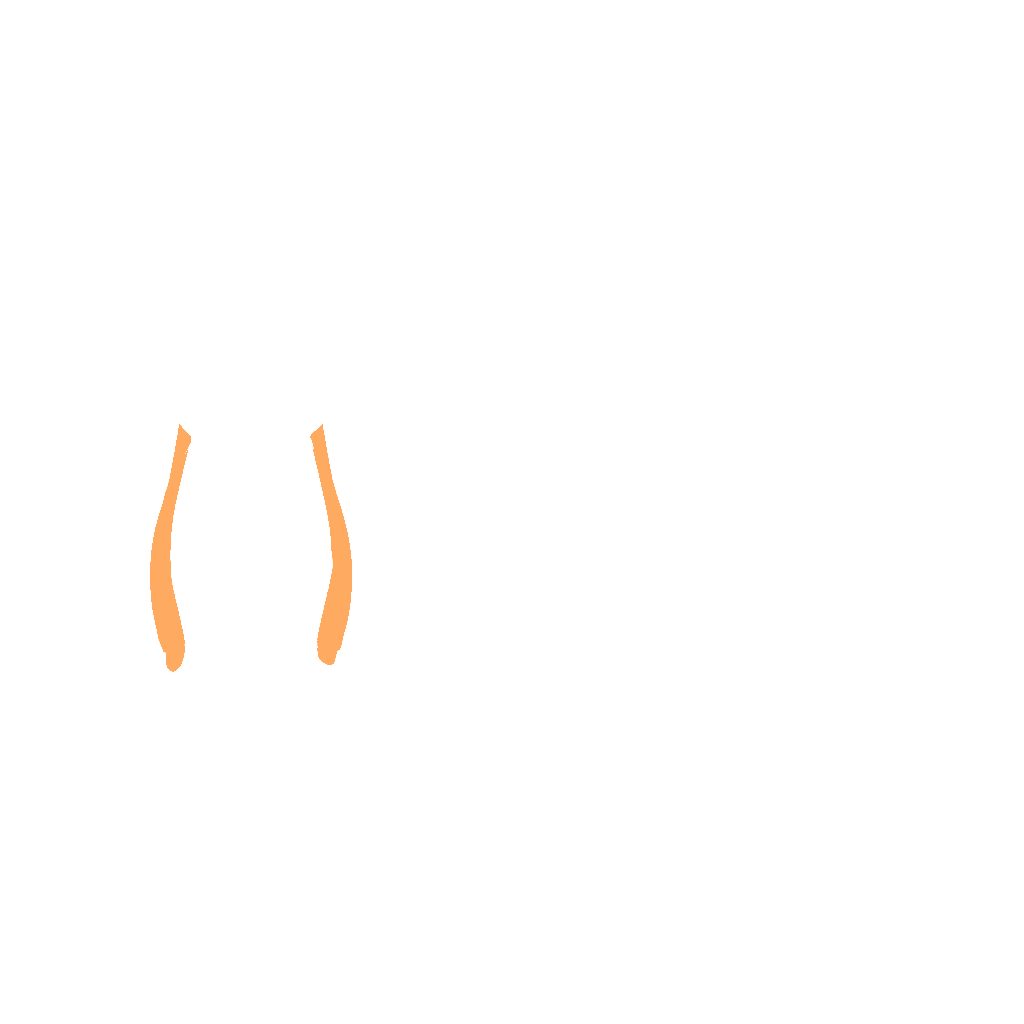
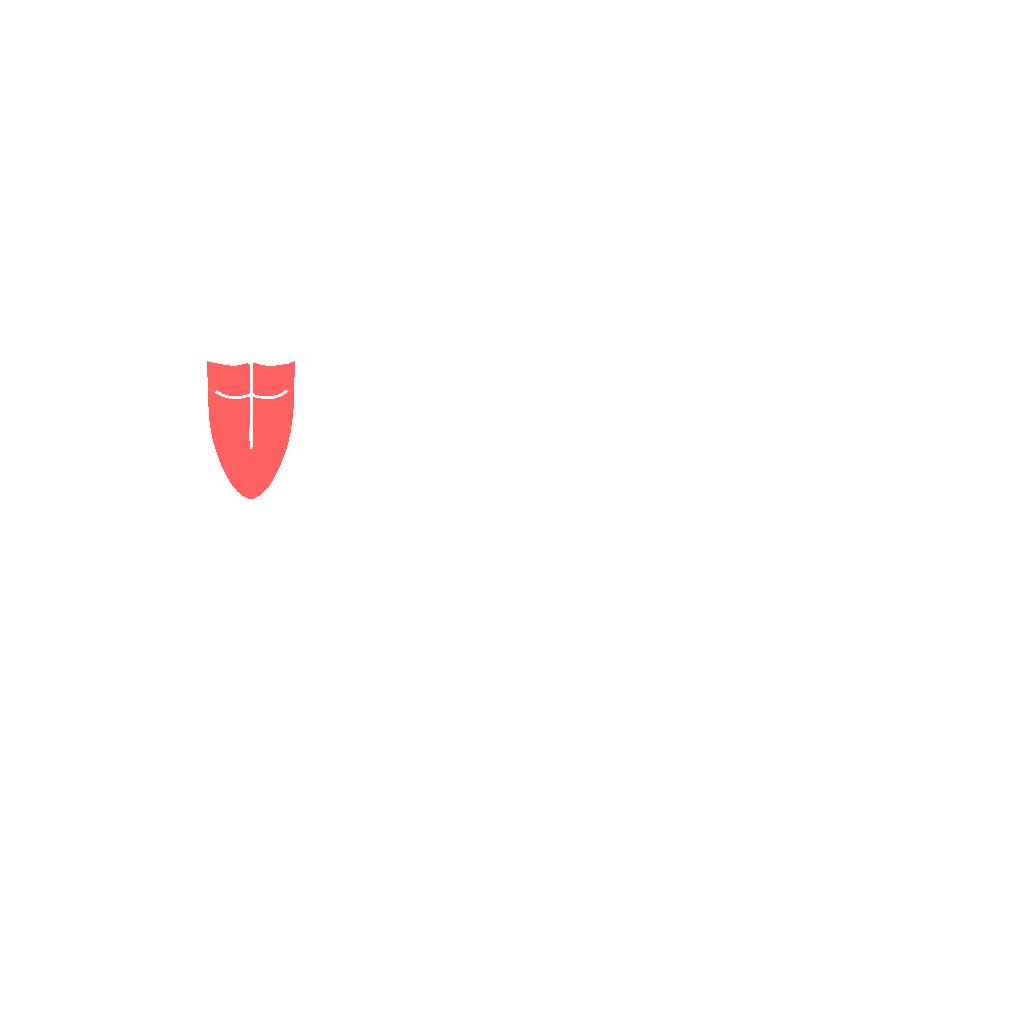
- Abdominal External Oblique, Upper Rectus Abdominals, Deltoid Anterior
- Secondary
- Gluteus Maximus, Rectus Femoris, Vastus Lateralis, Triceps Brachii Long Head
- Tertiary
- Erector Spinae, Gluteus Medius
How to do it
- 1
Lie on your back and press a light plate to a locked arm straight above the shoulder.
- 2
Bend the same-side knee, plant the foot, and post on the opposite forearm.
- 3
Press up onto that hand, then bridge the hips and sweep the straight leg back to a kneel.
- 4
Windshield the rear leg under you and come to a half-kneeling position, plate still up.
- 5
Drive through the front foot to stand tall with the plate locked overhead.
- 6
Reverse each step under control to return to the floor, then switch sides.
Tips
- Keep the working arm vertical and the shoulder packed at every stage.
- Keep your gaze on the plate until you are standing, then shift it forward.
- Master the sequence with no weight before adding a plate.
Variations
Common mistakes
- The plate's flat rim gives no handle to correct a wobble, so a small drift in wrist position goes uncorrected far more easily than with a kettlebell.
- Standing up from half-kneeling by leaning the torso forward instead of driving through the front foot pulls the shoulder out from under the plate.
- Once you reach standing, the eyes often stay locked on the plate too long instead of shifting forward, which is when people lose balance on the last step.
- The rear leg gets dragged instead of windshielded cleanly under the body, catching a foot and breaking the base right before half-kneeling.
- Loading a plate before the bodyweight version is smooth skips the step where you actually learn the seven-position sequence.
- The shoulder unpacks and shrugs toward the ear as fatigue builds through the later positions, the same place a locked-out arm quietly starts to bend.
Frequently asked
- What is a sensible starting dose for the plate get-up, and what should you have mastered first?
- Start with 1 to 2 sets of 2 to 3 slow reps per side using a 5 to 10 pound plate, or no weight at all. Have a clean bodyweight get-up pattern and a comfortable overhead press locked in first, since the plate adds an unstable load with no handle to correct for.
- What can you use instead of a plate for the get-up?
- A kettlebell or dumbbell both work and are actually easier to balance than a plate, since they give you a handle or bar to grip. With nothing at all, run the same seven-position sequence holding just a closed fist overhead.
- What does the plate get-up train, and who should wait on it?
- It builds full-body coordination, shoulder stability, and hip strength from the floor to standing under an unstable overhead load, a strong test of movement quality for lifters who already move well. Wait on it if you have any current shoulder or lower-back pain, or have not yet mastered the sequence without weight.
Related exercises
Other movements among FitRay's 2,000+ exercises that load the same target muscle — same equipment and level first.
- IntermediatePlate Squat-PressPlate · Quads · Shoulder
- IntermediatePlate Ground-to-OverheadPlate · Glutes · Shoulder
- AdvancedBarbell ComplexBarbell · Back · Shoulder
- AdvancedClean and JerkBarbell · Glutes · Shoulder
- AdvancedKettlebell Armor-Building ComplexKettlebells · Quads · Shoulder
- AdvancedZ PressBarbell · Shoulder