Plank Pull-Through
Reaching one hand across your body to drag a kettlebell to the opposite side loads the plank with a heavy anti-rotation challenge, since lifting and pulling on one arm wants to tip and twist the whole torso. The pull-through combines the anti-extension demand of a plank with the anti-rotation demand of a single-arm reach, which is why it is a favorite hard finisher. Keep the hips glued in place and let the weight move, not your body.
- Equipment
- Kettlebells
- Body part
- Abs
- Type
- Functional, Strength
- Browse by muscle
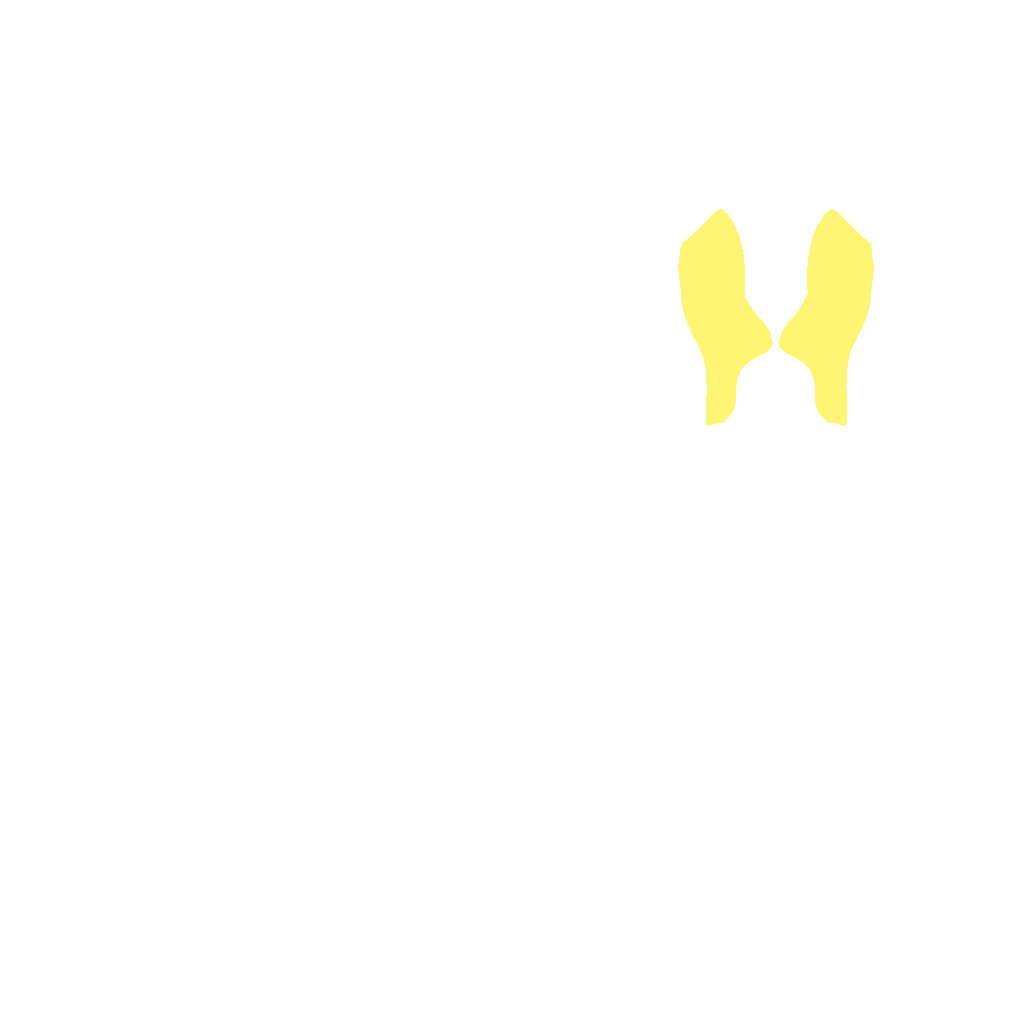
- Abdominal External Oblique
- Browse by movement
- Core Brace








- Target
- Abdominal External Oblique
- Secondary
- Upper Rectus Abdominals, Lower Rectus Abdominals
- Tertiary
- Latissimus Dorsi, Deltoid Anterior, Erector Spinae, Rectus Femoris
How to do it
- 1
Set up in a high plank with a kettlebell just outside one hand.
- 2
Widen your feet for a stable base and brace your abs hard.
- 3
Reach the free hand across and under your body to grab the weight.
- 4
Drag it across to the opposite side and set it down.
- 5
Return that hand to the floor and reset your brace before the next rep.
- 6
Alternate the dragging hand while keeping your hips motionless.
Tips
- Widen your stance; a narrow base makes the anti-rotation demand almost impossible to hold.
- Keep both hips pointed straight down so the drag does not twist your torso.
- Use a light weight at first, since the goal is a still body, not a heavy pull.
Variations
Common mistakes
- The supporting arm bends at the elbow as the reaching arm drags the weight across, dropping the chest and taking stability away from the one side that has to hold everything up.
- To get the weight across quickly, the reach speeds up, so the hips take one hard jolt of rotation instead of the slow, resisted drag the exercise is built around.
- The hand grabs the weight and yanks it in a straight line without dragging it across the floor, skipping the sustained friction that makes the anti-rotation demand last longer.
- The brace never gets reset between reps, so the tenth pull-through starts from a noticeably looser plank than the first one did.
Frequently asked
- What is a sensible starting dose for the plank pull-through?
- Start with 2 sets of 6 to 8 total drags, alternating sides, using a light kettlebell or dumbbell and resetting the brace fully after each one. Owning a strict 45-second high plank with square hips is the prerequisite worth having before you add the reach and drag.
- What can I use instead of a kettlebell for the plank pull-through?
- A dumbbell on its end, a filled water bottle, or a small sandbag all work as the object to drag, since the point is light resistance and sustained friction rather than heavy weight. Start lighter than you think you need, since the drag itself adds more challenge than the weight does.
- What does the plank pull-through train and when should you build up to it first?
- It combines the anti-extension demand of a plank with a heavy anti-rotation pull, making it a tough finisher for lifters who already have a rock-solid plank. Build up to it with slower anti-rotation drills like a Pallof press first if your hips shift or twist in a basic high plank, since this version adds load on top of a skill you need to already have.
Related exercises
Other movements among FitRay's 2,000+ exercises that load the same target muscle — same equipment and level first.
- BeginnerKettlebell Get-Up to ElbowKettlebells · Abs · Shoulder
- IntermediateKettlebell Turkish Sit-UpKettlebells · Abs · Shoulder
- AdvancedAb Wheel Oblique RolloutWheel Roller · Abs
- AdvancedAb Wheel V-RolloutWheel Roller · Abs
- AdvancedBarbell RolloutBarbell · Abs
- AdvancedEight-Angle PoseBody Weight · Abs · Shoulder