PNF Hip Flexor Stretch
Chronic sitting shortens the front of the hip, which limits extension and can nag the low back. The contract-relax approach lets you reset that tension quickly. From a half-kneeling lunge you brace the glute, push the down-knee into the floor for a short isometric, then relax and glide deeper. Great before lower-body work or after long days at a desk.
- Equipment
- Body Weight
- Type
- Stretching
- Browse by muscle
- Rectus Femoris


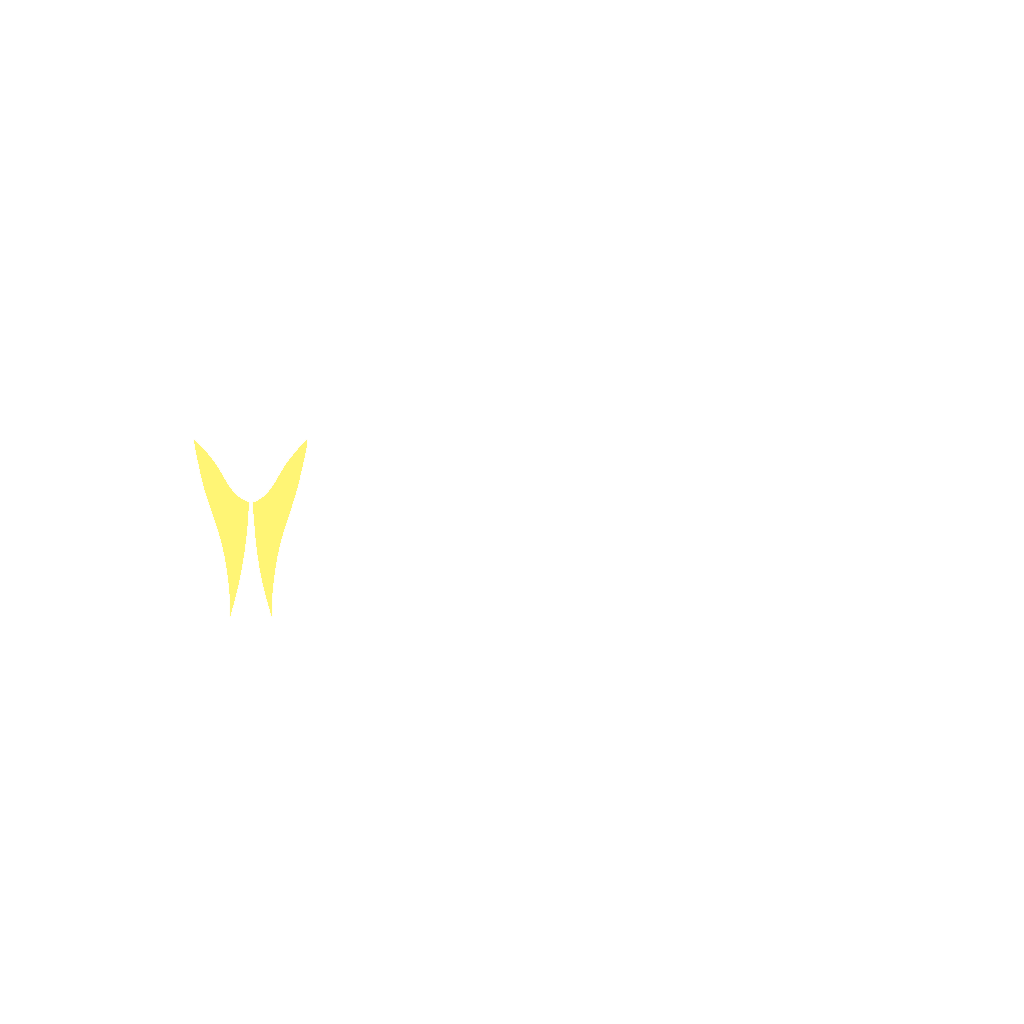
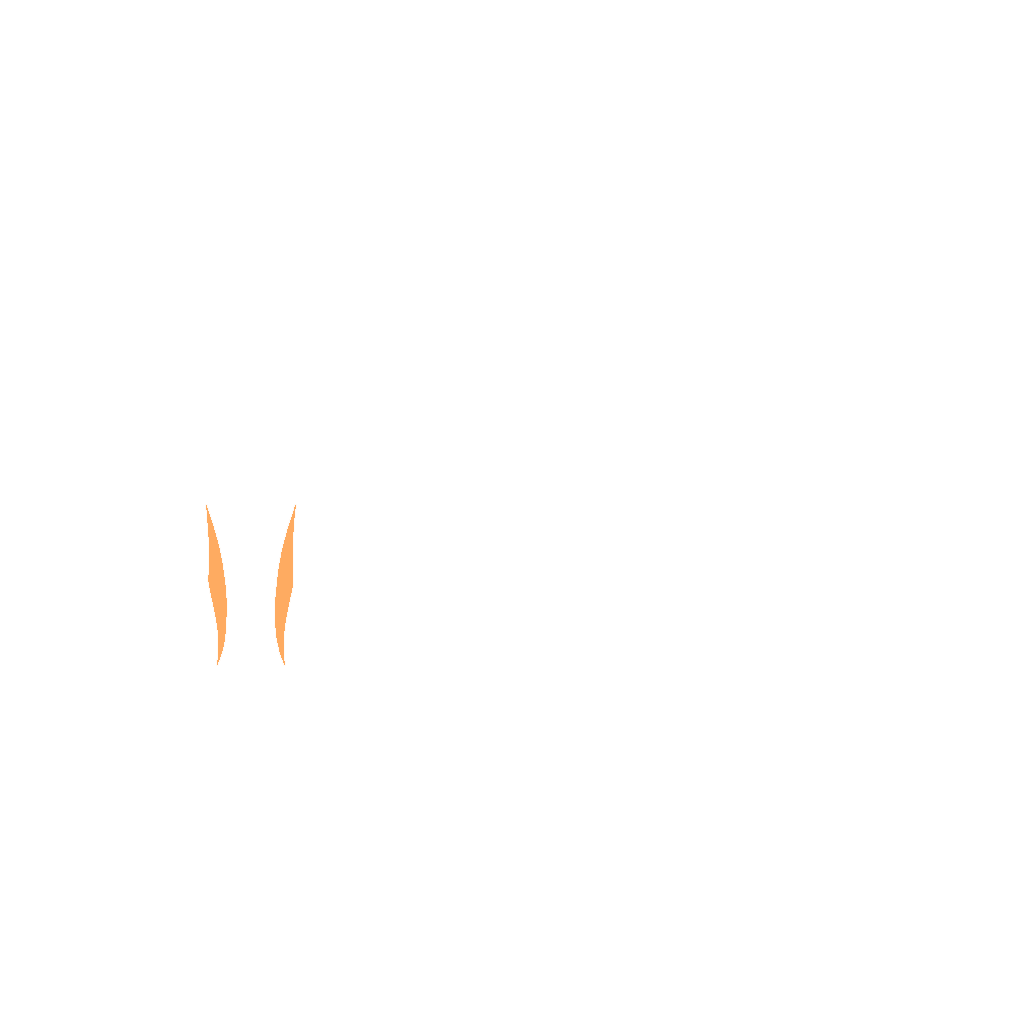

- Target
- Rectus Femoris
- Secondary
- Sartorius
- Tertiary
- Adductor Longus
How to do it
- 1
Set up in a half-kneeling position with the back knee down and the front foot flat, shin vertical.
- 2
Tuck the pelvis under and glide forward slightly until you feel a stretch across the front of the down-side hip and thigh.
- 3
Contract: press the back knee firmly down and forward into the floor as if dragging it toward the front foot, holding the isometric at about 25 percent for six to ten seconds.
- 4
Relax fully for two to three seconds and exhale.
- 5
Squeeze the glute on the stretching side and shift the hips forward into the new range, holding briefly.
- 6
Repeat the cycle three to four times, then switch sides.
Tips
- Keep a posterior pelvic tilt throughout; letting the low back arch shifts the stretch off the hip flexor.
- Squeezing the glute during the relax phase reciprocally inhibits the hip flexor for a deeper release.
- Pad the down knee if the floor is hard so you can relax fully.
Variations
Common mistakes
- The front foot sits too far forward, so the press shows up as a pull behind the front thigh and the back hip never gets its turn; bring that heel back until the shin is vertical.
- The torso leans out over the front thigh as the hips glide, which closes the distance between ribs and pelvis that the stretch depends on; stay stacked and move the hips, not the chest.
- On a smooth floor in socks, the back knee skids forward during the press and the isometric turns into a slow slide out of the stretch; work on a mat, or put a folded towel under that knee.
- The contraction is made by pressing the back knee straight down into the floor instead of down and forward, and a vertical push gives the muscle you came to load almost nothing to work against.
- The back foot is left with the toes tucked hard under, and a cramp in that arch ends the set before the hip flexor has given anything; rest the laces of that foot on the floor.
Frequently asked
- How many rounds of the PNF hip flexor stretch should you do when you are new to the exercise?
- Three or four contract-relax cycles per side, one set each, two or three sessions a week, and it sits well before lower-body training or after a long day in a chair. Press the down knee into the floor at about a quarter effort for six to ten seconds, let go for two or three, then glide forward into whatever opened up. Add a session to the week rather than a fifth cycle, and judge it by whether standing tall feels easier, not by how far the hips travel.
- How do I make the PNF hip flexor stretch easier or harder?
- Easier: pad the down knee, rest a hand on a chair for balance, shorten the push to five seconds at a gentler effort, and glide forward an inch at a time. Harder: set the back foot up on a low cushion or against a wall so the knee starts behind the hip, or reach the same-side arm overhead and lean slightly away, which brings the front of the hip and the side of the trunk into one cycle. Adding load is not how you progress this; adding hip extension is.
- What is the PNF hip flexor stretch good for, and when should you skip it?
- Hours of sitting leave the front of the hip short, which caps hip extension and often leaves the low back making up the difference, and the contract-relax cycle resets that faster than a plain hold, which suits lifters, runners, and desk workers before lower-body work. Skip it if the front of the hip pinches rather than stretches during the glide, since that is the joint objecting rather than the muscle, and keep the pelvis tucked throughout if your low back is sensitive.
Related exercises
Other movements among FitRay's 2,000+ exercises that load the same target muscle — same equipment and level first.
- IntermediateBurpeeBody Weight · Chest · Quads
- Intermediate5-10-5 Pro Agility ShuttleBody Weight · Glutes · Quads
- IntermediateForward Beast CrawlBody Weight · Abs · Shoulder
- IntermediateLunge MatrixBody Weight · Glutes · Quads
- IntermediateVertical JumpBody Weight · Glutes · Quads
- Intermediate180-Degree JumpBody Weight · Glutes · Quads