Prayer Twist Lunge
This is the twisting cousin of the low lunge and a staple shape in most vinyasa classes. It lengthens the back-leg hip flexors while the obliques and deep spinal rotators wring the torso around the front thigh. Use it to open the trunk, mobilize the thoracic spine, and prep for deeper standing twists.
- Equipment
- Body Weight
- Type
- Stretching, Yoga
- Browse by muscle
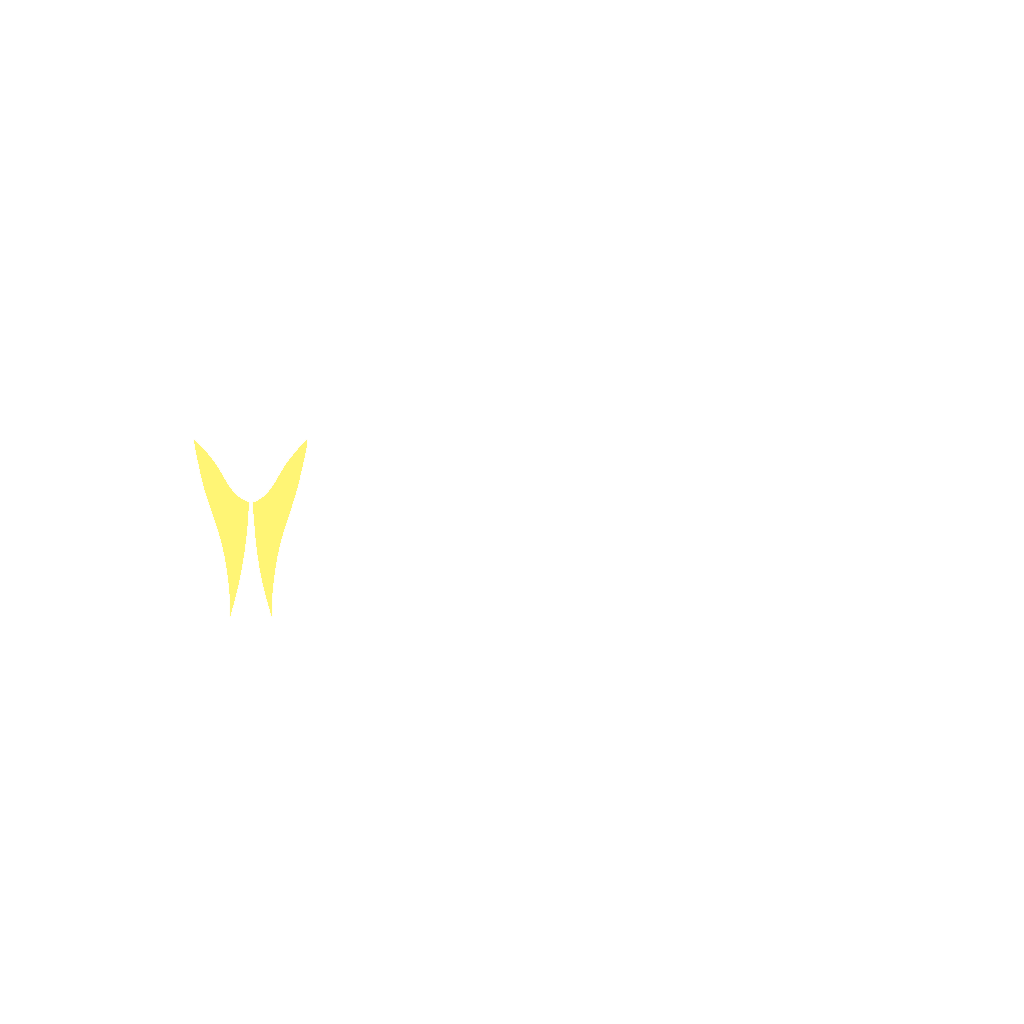
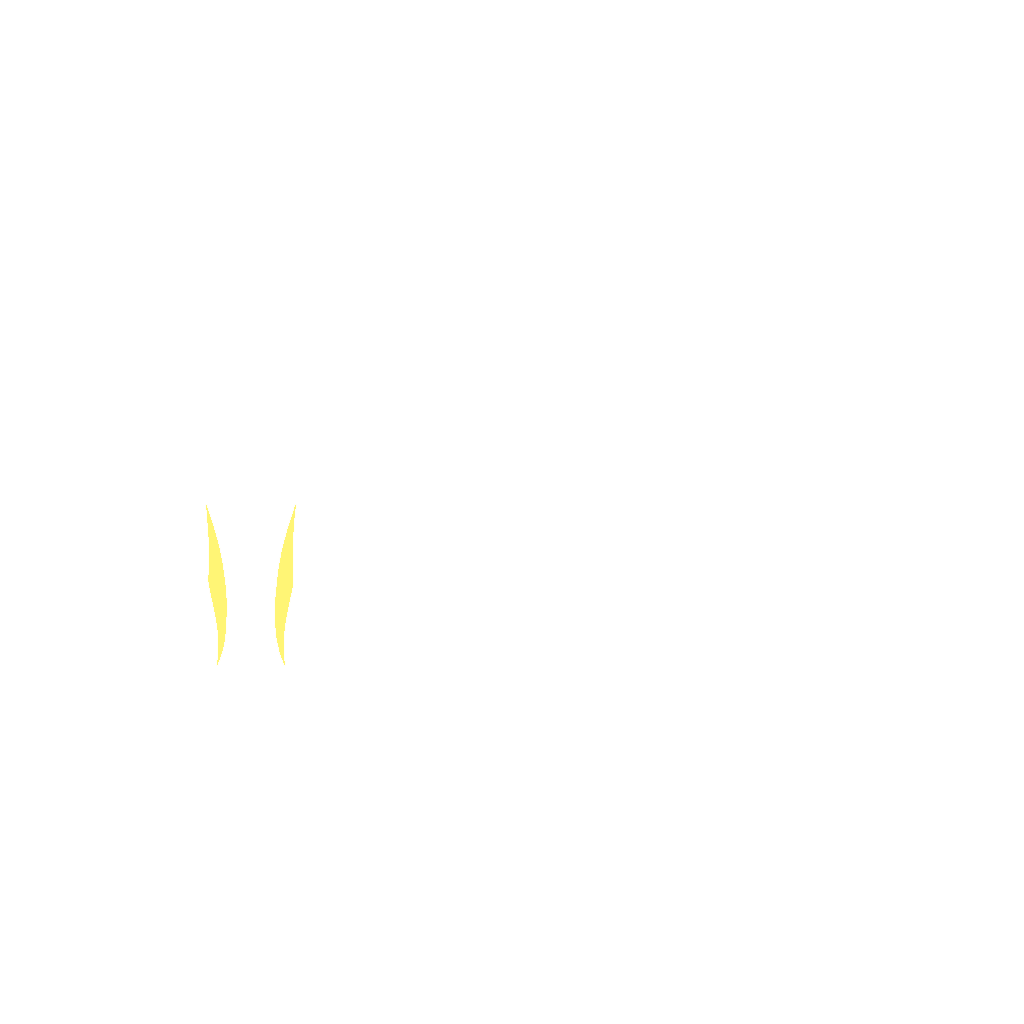
- Abdominal External Oblique, Erector Spinae







- Target
- Abdominal External Oblique, Erector Spinae
- Secondary
- Gluteus Maximus, Rectus Femoris, Vastus Lateralis
- Tertiary
- Adductor Longus, Sartorius
How to do it
- 1
Step one foot forward into a lunge and lower the back knee to the mat, untucking the toes.
- 2
Stack the front knee over the ankle and square the hips forward to protect the front knee.
- 3
Bring the palms together at the center of the chest in a prayer position.
- 4
Exhale and rotate the torso toward the front leg, hooking the opposite elbow to the outside of the front thigh.
- 5
Press the palms evenly to leverage the twist from the mid-back, not the neck.
- 6
Lengthen the spine on each inhale and rotate a touch deeper on each exhale.
- 7
Hold for several breaths, then unwind and repeat on the second side.
Tips
- Keep both hips level and pointing forward so the rotation comes from the spine, not from collapsing the pelvis.
- Drive the top shoulder back to open the chest rather than rounding toward the thigh.
- If the shoulder cannot hook the thigh, press the palm to the floor inside the front foot instead.
Variations
Common mistakes
- The back knee slides forward under the hip as the torso turns, shortening the lunge and taking the stretch out of the back-leg hip flexor.
- Depth gets bought by driving the elbow hard into the thigh, which levers the shoulders around while the mid-back stays exactly where it started.
- The front knee tips inward as the elbow presses against it, sending a twist through a loaded knee that should be tracking straight over the ankle.
- The palms slide apart and one hand ends up doing all the pressing, so the chest turns unevenly and the top shoulder finishes higher rather than more open.
- The chin swings around to look over the shoulder after the ribs have stopped turning, which leaves the neck finishing a rotation the mid-back should own.
Frequently asked
- How long should I hold the prayer twist lunge on each side?
- Five to eight slow breaths per side, two rounds each, and take the tighter side twice if one clearly rotates less. Deepen on the exhale and lengthen on the inhale rather than holding one fixed position. Two or three short sessions a week do more for thoracic rotation than one long one, and it works well early in a practice, opening the trunk before standing poses.
- How do I make the prayer twist lunge easier or harder?
- Easier: put a folded blanket under the back knee, shorten the lunge a few inches, and rotate only as far as having both hands on the front thigh allows. Turning the ribs with the hands on the hips is a complete version of the shape. Harder: tuck the back toes and lift that knee into a high lunge, which removes the kickstand and makes the obliques hold you, then take the bottom hand to the floor and the top arm toward the ceiling.
- What is the prayer twist lunge good for, and when should I choose something else?
- It lengthens the back-leg hip flexor while the obliques and spinal rotators turn the trunk, which suits anyone who sits a lot and anyone heading into deeper twisting standing poses. Despite how these shapes get described in class, a twist does not flush or cleanse anything; the value is mobility and trunk control. Choose something else with an irritable low back or a known disc problem, since loaded rotation asks a lot of it, and use a seated twist instead if the front knee objects to the lunge.
Related exercises
Other movements among FitRay's 2,000+ exercises that load the same target muscle — same equipment and level first.
- IntermediateBicycle CrunchBody Weight · Abs
- IntermediateRussian TwistBody Weight · Medicine Ball · Abs
- IntermediateForward Beast CrawlBody Weight · Abs · Shoulder
- IntermediateSide KickthroughBody Weight · Abs · Shoulder
- IntermediateSide Plank with Hip DipBody Weight · Abs
- IntermediateArabesque PulseBody Weight · Glutes · Hamstring