Pyramid Pose with Reverse Prayer
This pyramid variation trades the usual floor or back-clasp for a reverse namaste, layering a wrist and shoulder opener onto the deep hamstring stretch. The straight front-leg hamstrings lengthen as you fold while the reverse prayer draws the shoulders back and open. It demands square hips and open wrists, so ease in gradually.
- Equipment
- Body Weight
- Type
- Balance, Stretching, Yoga
- Browse by muscle
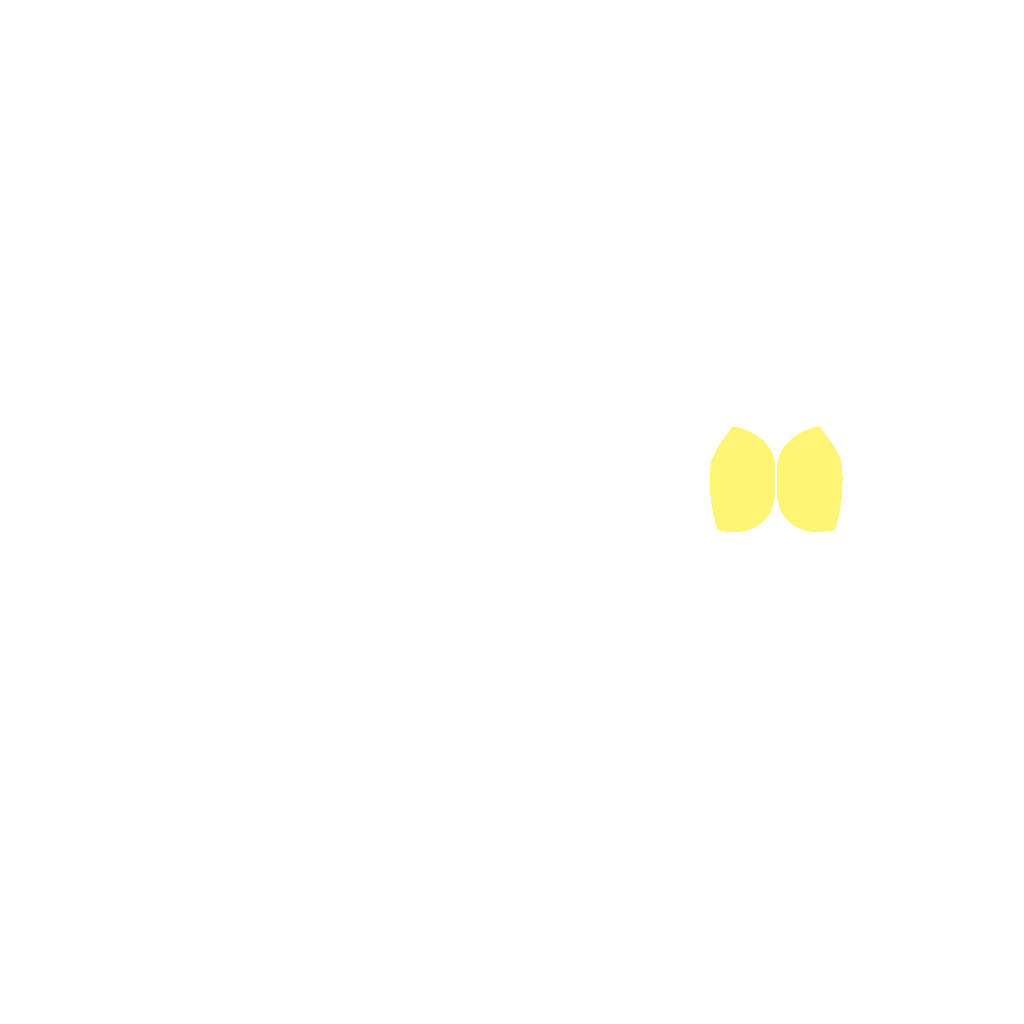
- Semitendinosus, Biceps Femoris






- Target
- Semitendinosus, Biceps Femoris
- Secondary
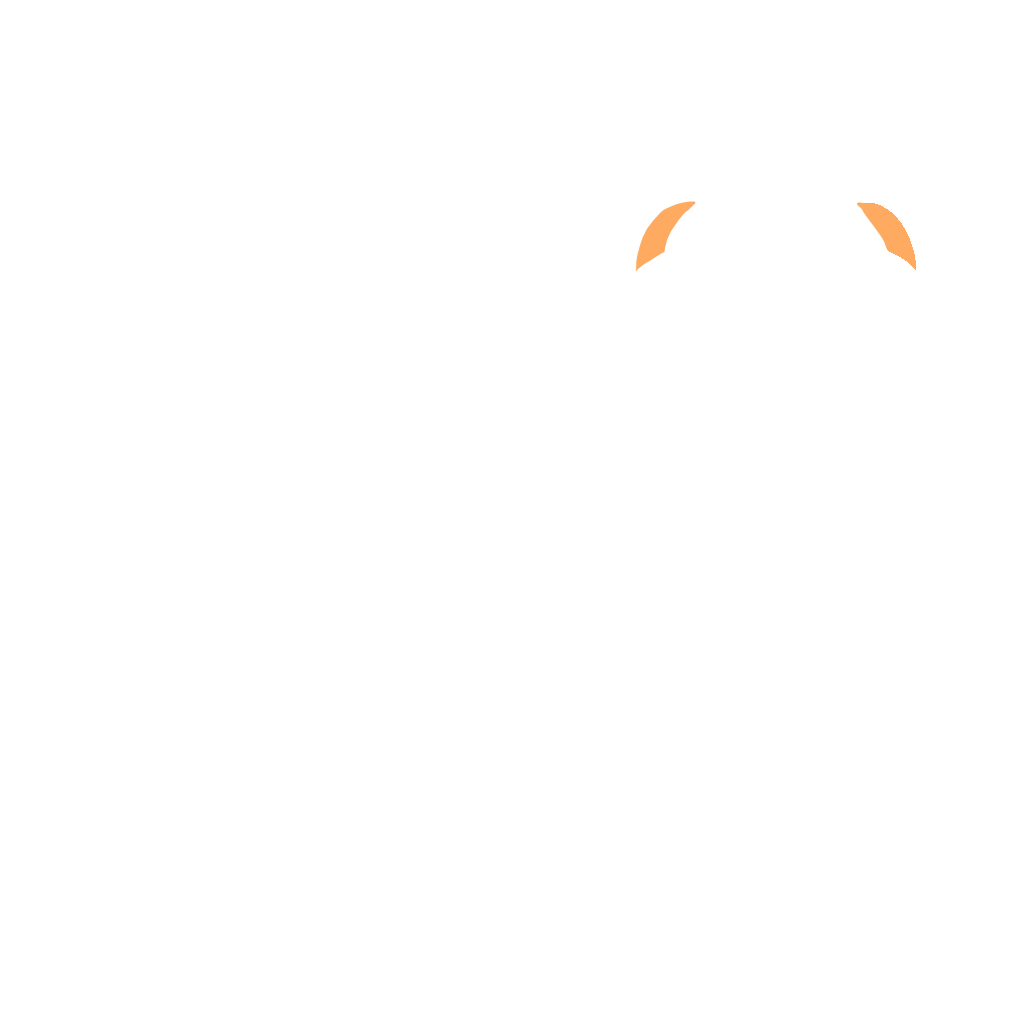
- Erector Spinae, Deltoid Posterior
- Tertiary
- Pectoralis Major Clavicular, Gluteus Maximus
How to do it
- 1
From a short, high stance, turn the back foot in slightly and square both hips toward the front foot.
- 2
Behind the back, press the palms together with the fingertips climbing up between the shoulder blades.
- 3
Inhale and lengthen the spine tall out of the pelvis.
- 4
Exhale and hinge forward from the hips over the straight front leg with a long spine.
- 5
Lower the chest toward the front thigh while keeping the palms pressing in reverse prayer.
- 6
Hold for several breaths, rise on an inhale, and change sides.
Tips
- Keep a slight bend in the front knee so the fold comes from the hips rather than rounding the back.
- If reverse prayer is inaccessible, grip opposite elbows behind the back instead.
- Level the hips by drawing the front hip back and the back hip forward.
Variations
Common mistakes
- The palms are forced together before the wrists are open, and the pinching that follows shows up in the wrist rather than anywhere near the shoulders.
- The fingertips point down at the waist and never climb, so the shoulders get no rotation and the hands are only resting there.
- The shoulders round forward to let the palms meet, which cancels the chest opening that is the only reason to take this arm variation.
- The hands slide down toward the hips as the torso folds, and the bind loosens without you noticing; keep the heels of the hands pressing the whole way down.
- The feet sit on one line heel to heel, which is a tightrope at the best of times and worse here, because your arms are locked behind you and cannot catch anything.
Frequently asked
- How long should I hold pyramid pose with reverse prayer on each side?
- Five to eight breaths per side, one or two rounds, doing the tighter side twice if one hamstring is clearly shorter. Set the arms while standing tall, then fold only as far as the bind survives. Progress the two halves separately: reverse prayer can be practiced sitting or standing at any time, and the fold deepens faster when your hands are not also fighting you.
- How do I make this pyramid variation easier or harder?
- Easier: press the palms together lower down, at the waist rather than between the blades, or make fists and press the knuckles together; a small bend in the front knee and a shallower fold keep the spine long. Harder: climb the fingertips higher up the spine, straighten the front knee fully, bring the chest all the way to the thigh, or hold for ten breaths. Setting the feet a few inches apart sideways makes the balance easier without changing the stretch.
- What is pyramid pose with reverse prayer good for, and when is it a poor choice?
- It stacks a wrist, forearm and front-shoulder opener onto a deep single-leg hamstring stretch, and because the hands are unavailable it quietly trains balance in a narrow stance as well. It is a poor choice with wrist pain, carpal tunnel symptoms, or a shoulder that pinches in internal rotation, since reverse prayer takes both to end range. If the hamstring is the only target, plain pyramid or a supine strap stretch gets you there with nothing to manage behind your back.
Related exercises
Other movements among FitRay's 2,000+ exercises that load the same target muscle — same equipment and level first.
- Intermediate5-10-5 Pro Agility ShuttleBody Weight · Glutes · Quads
- Intermediate300-Yard ShuttleBody Weight · Hamstring · Quads
- IntermediateAirplane PoseBody Weight · Glutes · Hamstring
- IntermediateB-MarchBody Weight · Hamstring · Quads
- IntermediateB-SkipBody Weight · Hamstring · Quads
- IntermediateBackward Broad JumpBody Weight · Glutes · Hamstring