Seated Calf Raise Isometric Hold
Because the knee is bent, the seated position takes the gastrocnemius out of play and puts the soleus in charge, and a top hold hammers it under long tension. The soleus is a slow, enduring muscle that responds well to isometrics, making this ideal for ankle stiffness, tendon health, and standing endurance. It complements standing calf work rather than replacing it.
- Equipment
- Machine
- Body part
- Calves
- Type
- Strength
- Browse by muscle
- Soleus Gastrocnemius
- Browse by movement
- Calf Raise



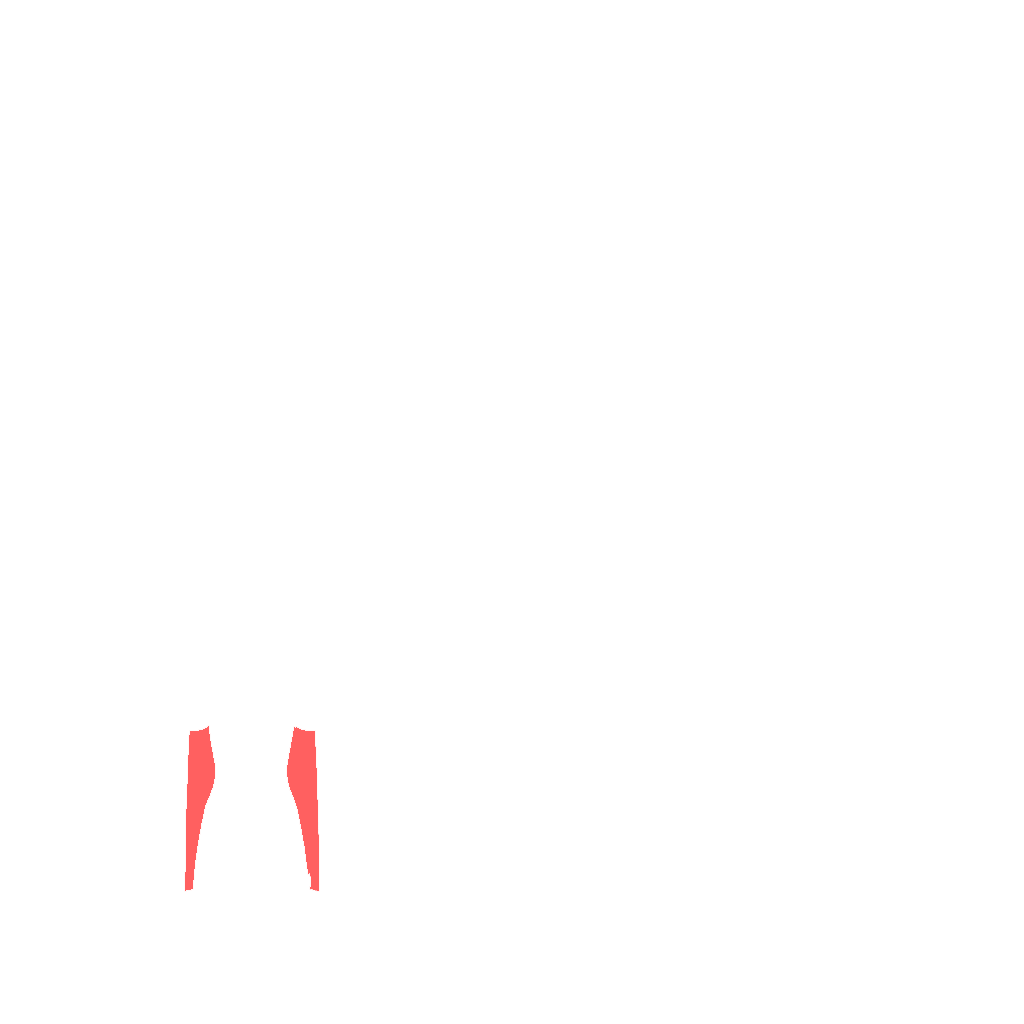
- Target
- Soleus Gastrocnemius
- Tertiary
- Fibularis Longus
How to do it
- 1
Sit at the seated calf machine with the balls of your feet on the platform and the pad snug over your knees.
- 2
Press up onto your toes until your ankles are fully plantarflexed.
- 3
Hold at the top, keeping the heels lifted as high as possible.
- 4
Resist the urge to let the heels sink; keep tension through the arches.
- 5
Hold for the target time, then lower slowly to a full stretch.
Tips
- Push through the big-toe side of the foot to keep the ankle stable.
- Keep the hold at the very top where the soleus is fully shortened.
- Go lighter than you think; the soleus fatigues through time, not just load.
Variations
Common mistakes
- The knee pad gets left loose, so the shins slide forward during the hold and the ankle ends up bearing less of the plantarflexion than it should.
- The hold gets timed by feel instead of a clock, so what counts as the target duration quietly shrinks as the set gets harder near the end.
- Settling into a slightly bent-forward torso to help push the weight up passes some of the effort into the hip flexors instead of leaving it on the calf.
- Once the toes start to splay wide for balance, the ankle loses its stacked line and the hold gets sloppier the longer it runs.
- The heels drop fast at the end of the hold, throwing a tired calf into a sudden stretch; lower slowly to the full stretch instead.
Frequently asked
- How long should a beginner hold the seated calf raise isometric hold?
- Start with 3 sets of a 20 to 30 second hold at the top, using a stack light enough that you are not shaking by the last five seconds. Add time in five-second jumps once a set feels controlled all the way through, and only add plates once you are past roughly 45 seconds per hold.
- What can you do instead of the seated calf raise isometric hold without access to a machine?
- Sit on a bench or chair with a loaded barbell or a couple of dumbbells resting across your knees, keep the balls of your feet on a raised block or step, and hold the top position the same way. A resistance band anchored under the foot and pulled up over the knee is a lighter option if you have nothing heavy to load the knees with.
- Why train the seated calf raise isometric hold instead of just the standing version?
- Bending the knee takes the gastrocnemius out of the movement and shifts the demand onto the soleus, the muscle that does the steady work of standing and walking all day, so this builds standing endurance and tendon health the straight-leg version does not reach as directly. It is a poor substitute if your goal is calf size or jumping power, since those depend more on the gastrocnemius trained through a full range with load.
Related exercises
Other movements among FitRay's 2,000+ exercises that load the same target muscle — same equipment and level first.
- BeginnerSeated Calf Raise (Machine)Machine · Calves
- BeginnerBanded Ankle PlantarflexionBand · Calves
- BeginnerBent-Knee Calf Raise (Dumbbell)Box · Dumbbell · Calves
- BeginnerBent-Knee Heel DropBody Weight · Calves
- BeginnerSeated Band Calf RaiseBand · Bench · Box
- BeginnerSeated Barbell Calf RaiseBarbell · Bench · Box