Standing Calf Raise (Machine)
With the knee kept straight, the gastrocnemius does the heavy lifting, so this is the go-to move for building the diamond shape of the upper calf. The machine's shoulder pads let you load heavy and chase a big stretch at the bottom without balance worries. Everyone from beginners to advanced lifters should own this pattern, and it slots in near the end of a leg or lower-body day.
- Equipment
- Machine
- Body part
- Calves
- Type
- Strength
- Browse by muscle
- Gastrocnemius Lateral Head, Gastrocnemius Medial Head
- Browse by movement
- Calf Raise


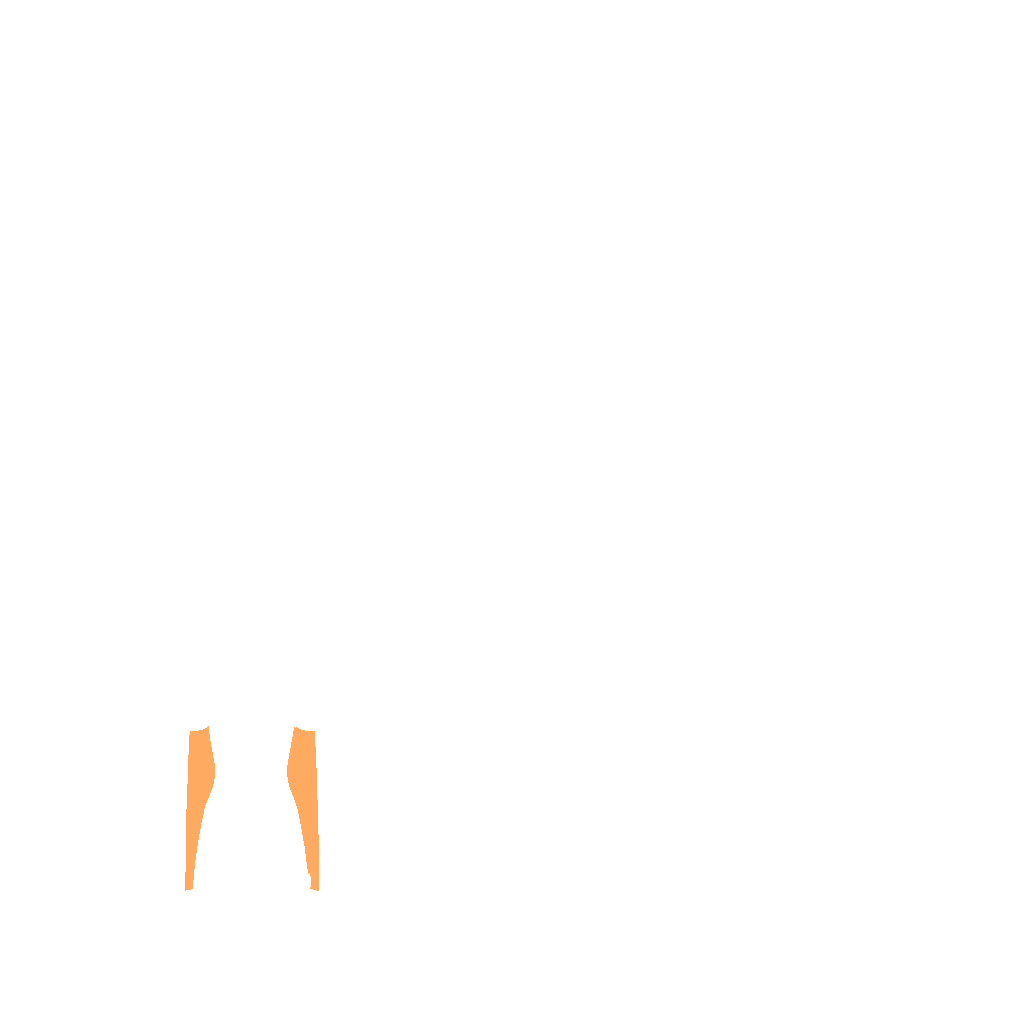


- Target
- Gastrocnemius Lateral Head, Gastrocnemius Medial Head
- Secondary
- Soleus Gastrocnemius
How to do it
- 1
Step onto the platform with the balls of both feet on the edge and heels hanging free.
- 2
Position your shoulders under the pads and stand tall so the weight lifts off the stack.
- 3
Keep your knees straight but not locked and your torso upright.
- 4
Lower your heels slowly until you feel a deep stretch through the calves.
- 5
Drive up onto your toes as high as possible and squeeze the calves hard at the top.
- 6
Exhale on the way up, inhale as you lower under control.
Tips
- Pause for a full second at the bottom stretch and again at the top contraction.
- Do not bend the knees to bounce the weight up; keep them straight to keep tension on the gastrocnemius.
- Push through the big toe and second toe rather than rolling to the outer edge of the foot.
Variations
Common mistakes
- Bouncing out of the bottom on the Achilles tendon to start the next rep, which wastes the stretch and puts a snap load on the tendon.
- Standing with the whole foot on the platform, so the heels cannot travel below the toes and the bottom half of the exercise disappears.
- Setting the shoulder pads too low, which leaves you starting the set slightly folded at the hips with the knees already soft.
- Turning the rep into a hip movement by leaning forward and letting the low back round as the calves tire.
- Rising only until the heels clear the platform instead of pushing up onto the toes as high as the ankle allows.
Frequently asked
- How many sets and reps of the standing calf raise should a beginner do?
- Three to four sets of 10 to 15, with a full second held at the bottom stretch and again at the top. Calves handle frequency well, so twice a week beats one long session. Pick a load where the last two reps are slow but still reach full height, and add weight only when every set hits the top rep with a clean pause. If the reps are fast and short, the load is ahead of your ankle range rather than your strength.
- What can I do instead of the standing calf raise machine?
- Stand on the edge of a step with a dumbbell in one hand and the other hand on a rail; one leg at a time gives you plenty of load without much weight. A Smith machine or a barbell in a rack works with a block under the balls of the feet, and a loaded backpack plus a stair edge covers it at home. All of them need the heels free to drop below the toes, which is the part a flat floor cannot give you.
- What does the standing calf raise train, and when should I not use it?
- With the knee straight, the gastrocnemius does most of the work, and that is the muscle behind the shape of the upper calf and the push-off in every stride. Treat it as size and strength work for the upper calf, not for the whole lower leg: the soleus underneath needs the bent-knee seated version. It is the wrong day for it when the Achilles or the arch is already sore, since loading a deep stretch is exactly what an irritated tendon does not want.
Related exercises
Other movements among FitRay's 2,000+ exercises that load the same target muscle — same equipment and level first.