Calf Raise Isometric Hold
Pausing at full plantarflexion turns the calf raise into a tendon and endurance drill, loading the gastrocnemius while it works to keep you balanced high on the toes. Coaches use isometric calf holds to build the ankle stiffness that sprinting and jumping demand, and to bulletproof the Achilles against overload. It costs nothing in equipment and is easy to progress from two legs to one, or from flat ground to a step for extra range.
- Equipment
- Body Weight
- Body part
- Calves
- Type
- Strength
- Browse by muscle
- Gastrocnemius Medial Head, Gastrocnemius Lateral Head
- Browse by movement
- Calf Raise



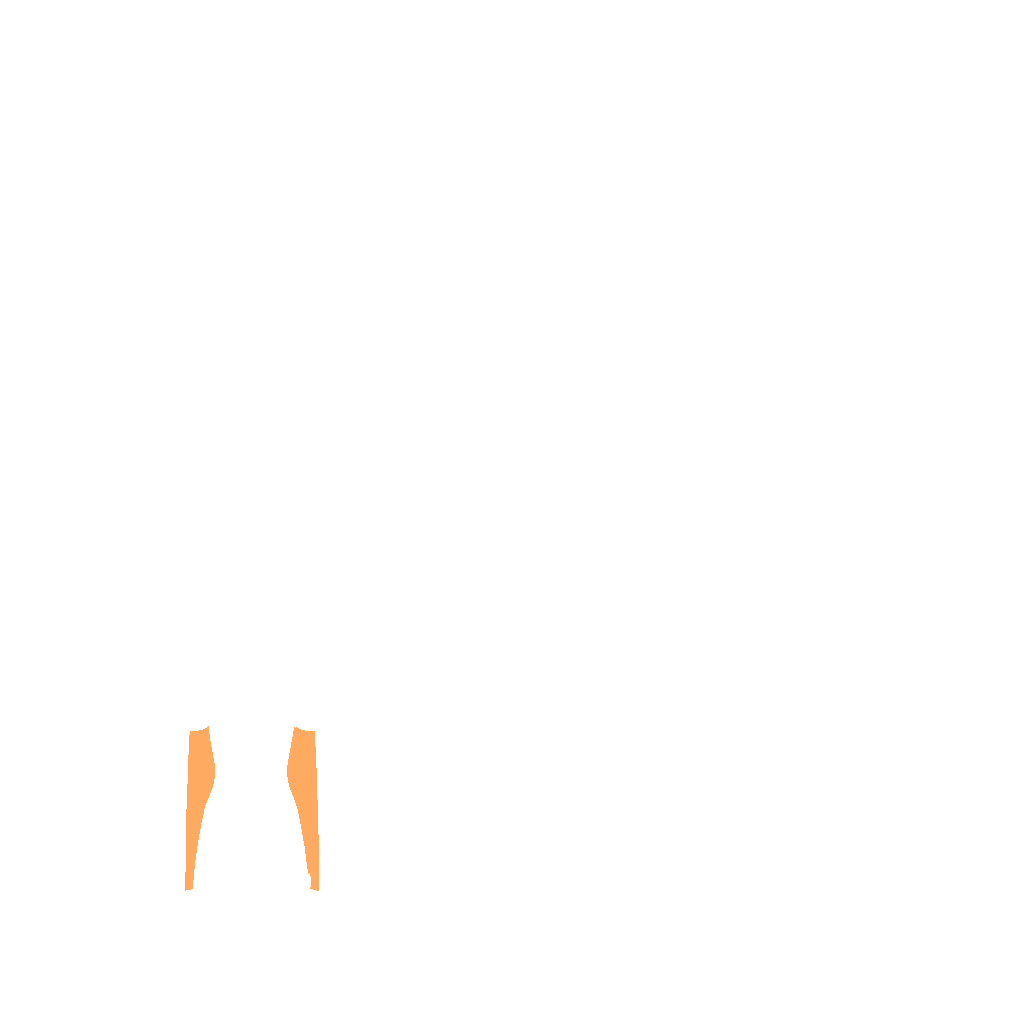


- Target
- Gastrocnemius Medial Head, Gastrocnemius Lateral Head
- Secondary
- Soleus Gastrocnemius
- Tertiary
- Fibularis Longus
How to do it
- 1
Stand tall with feet hip-width, near a wall or rail for light balance support.
- 2
Press through the balls of both feet and rise as high onto the toes as you can.
- 3
Reach the top position with the ankles fully extended and the heels squeezed upward.
- 4
Keep the knees straight but not locked so the emphasis stays on the gastrocnemius.
- 5
Hold the tall position steady for the prescribed time without letting the heels drift down.
- 6
Lower slowly to the floor and reset before the next hold.
Tips
- Rise as high as your ankles allow; a half-hearted top position wastes the drill.
- Keep the weight over the big-toe side rather than rolling out to the little toes.
- Use only fingertip support for balance so the calves do the work.
- Progress to a single-leg hold once you can keep the two-leg version rock steady.
Variations
Common mistakes
- The quads and glutes clench hard to help stabilize, spreading tension up the leg instead of leaving the ankle and calf to hold the position alone.
- The heels start sinking within the first few seconds and nobody notices until the set is over, so the muscle spends most of the hold at half tension.
- Wearing thick-soled running shoes rounds off the true top position, since the shoe's stack height already sits the heel higher before the calf does any work.
- On the two-leg version, one ankle quietly does more of the holding than the other, and because both feet look the same from the outside, the imbalance never gets noticed.
- The knees lock out past neutral, which can shift the stress into the joint instead of keeping tension in the calf muscle bellies.
- The rep count gets prioritized over hold quality, so the descent gets rushed instead of lowered slowly with a real reset before the next hold.
Frequently asked
- How many sets and how long should a beginner hold the calf raise isometric hold?
- Start with 3 sets of a 20 to 30 second hold on two legs, resting about a minute between sets. Once you can hold that solid for all three sets without the heels drifting down, add five seconds at a time, and only move to single-leg holds once the two-leg version feels easy for the full 30 seconds.
- How do you make the calf raise isometric hold harder or easier?
- Make it easier by holding onto a wall or rail for more support, or by shortening the hold time. Make it harder by moving from two legs to one, by standing on the edge of a step so the heel can drop below the toes for extra range, or by holding a light weight in one hand.
- What is the calf raise isometric hold good for, and who should skip it?
- This hold builds ankle stiffness and calf endurance that carry over to running, jumping, and everyday lower-leg resilience, and it is a low-fatigue way to add work for the Achilles without heavy loading. It is a poor tool if your main goal is calf size, since a full range-of-motion raise with added load builds more muscle; use this alongside that work instead, or skip it if an acute Achilles injury hurts to load statically.
Related exercises
Other movements among FitRay's 2,000+ exercises that load the same target muscle — same equipment and level first.