Side Kick Drill
The side kick chambers the knee and thrusts the heel straight out to the side, driven by the glutes and hip extensors with the core stabilizing the lean. Drilling it in rounds strengthens hip abduction and extension while training balance on the standing leg. It is a strong long-range weapon in kickboxing and taekwondo styles.
- Equipment
- Body Weight
- Type
- Cardio, Functional
- Browse by muscle
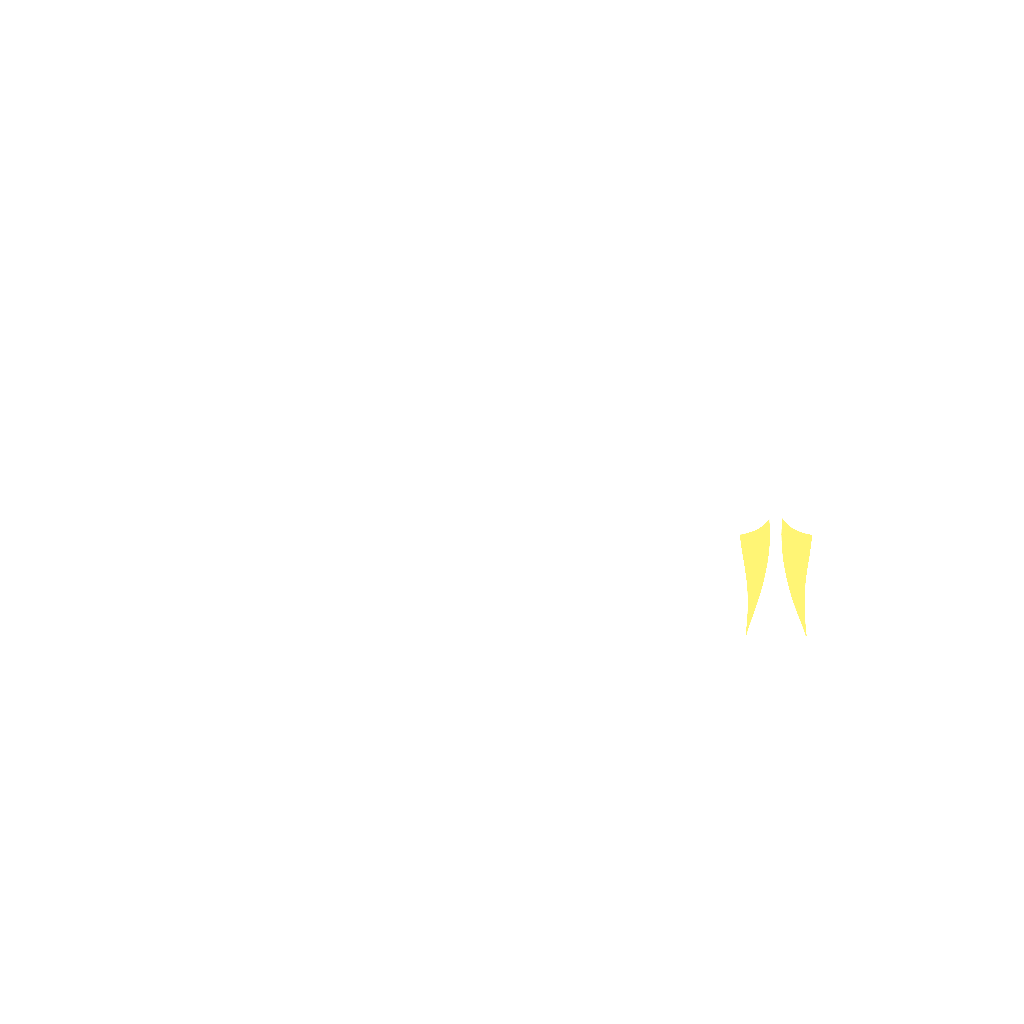
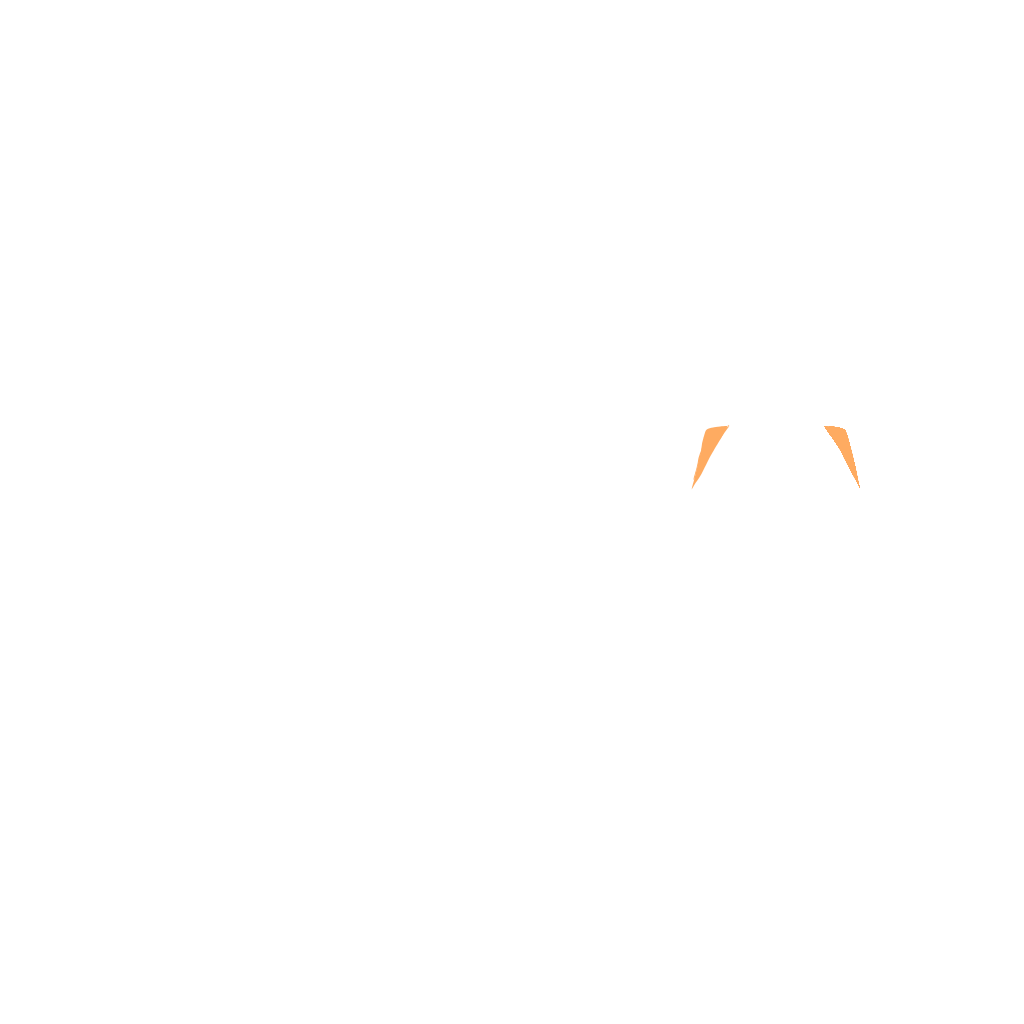
- Gluteus Maximus, Rectus Femoris, Abdominal External Oblique






- Target
- Gluteus Maximus, Rectus Femoris, Abdominal External Oblique
- Secondary
- Gluteus Medius, Vastus Lateralis
- Tertiary
- Adductor Magnus
How to do it
- 1
Stand side-on to the target with hands guarding.
- 2
Chamber the kicking knee up toward the chest.
- 3
Thrust the heel straight out to the side, extending the hip and knee.
- 4
Keep the standing foot turned away and lean the torso slightly to counterbalance.
- 5
Retract the leg back to the chamber, then set it down under control.
- 6
Alternate legs or work one side per round, staying tall and balanced.
Tips
- Strike with the heel and blade of the foot, not the toes.
- Keep the kick linear; do not let it drift into a roundhouse arc.
- Re-chamber before setting down to keep control and avoid overextending.
Variations
Common mistakes
- Chamber height decides the whole kick: bring the knee up only as far as your hip and the heel travels upward at the end rather than straight out.
- The lean grows a little with every rep until the shoulder is nearly over the standing foot, and a kick thrown from a collapse has no line and nothing behind it.
- Height gets chased above the hip before the hip can give it, so the pelvis tips and the low back supplies the last few inches.
- Both hands drift down toward the lead hip as the torso tips away, leaving the head unguarded on exactly the side the kick opens up.
- Balance is rescued with a small hop on the standing foot each rep, which is the tell that the kick is coming from the leg rather than the hip; lower the height until the base stays quiet.
Frequently asked
- How many side kicks should you practice per leg when you are new to the exercise?
- Sets of 8 to 10 per leg, four sets through, slow enough that you chamber, extend and re-chamber as three distinct positions. That is more useful early than any number of fast kicks, because the side kick lives or dies on the chamber. Once the balance holds, run two-minute rounds working one leg per round, three or four rounds in total. Two sessions a week is enough, and if the standing ankle burns before the kicking leg does, that is normal and it settles within a few weeks.
- How do I drill the side kick if my balance is not there yet, and how do I progress it?
- Easier: hold a chair back or a wall with one hand, kick to hip height, and pause in the chamber for a count before extending. Kicking side-on to a mirror also helps, since the fault you cannot feel is usually visible. Harder: take the hand off the support, hold the chamber for two seconds before and after each kick, kick a heavy bag or a partner's shield so the leg pushes against something, or add a light ankle band. Slow returns, taking three seconds to re-chamber, are harder than they sound.
- Why is the side kick worth drilling, and when is it the wrong choice?
- It is a long-range stopping technique in taekwondo and kickboxing, and as a drill it builds hip abduction and extension strength plus a lot of single-leg balance, which makes it a reasonable addition to general conditioning even if you never spar. It is not a power exercise and not a substitute for lower-body training. Be careful if a hip or low back is already sore, since chasing height pushes the last part of the range into the pelvis, and go easy on hard targets while an ankle is unhappy.
Related exercises
Other movements among FitRay's 2,000+ exercises that load the same target muscle — same equipment and level first.
- IntermediateBicycle CrunchBody Weight · Abs
- IntermediateBurpeeBody Weight · Chest · Quads
- IntermediateRussian TwistBody Weight · Medicine Ball · Abs
- Intermediate5-10-5 Pro Agility ShuttleBody Weight · Glutes · Quads
- IntermediateForward Beast CrawlBody Weight · Abs · Shoulder
- IntermediateLunge MatrixBody Weight · Glutes · Quads