Standing Wide-Grip Cable Row
Rowing from a low pulley while hinged and on your feet keeps constant tension on the mid-back and forces the core and erectors to hold a braced hinge. The wide overhand grip flares the elbows out to bias the mid-traps, rhomboids, and rear delts over the lats. It's a strong upper-back option when the seated row stations are busy or you want to add a hinge demand to your pulling.
- Equipment
- Cables
- Type
- Strength
- Browse by muscle
- Trapezius Middle, Deltoid Posterior
- Browse by movement
- Horizontal Pull



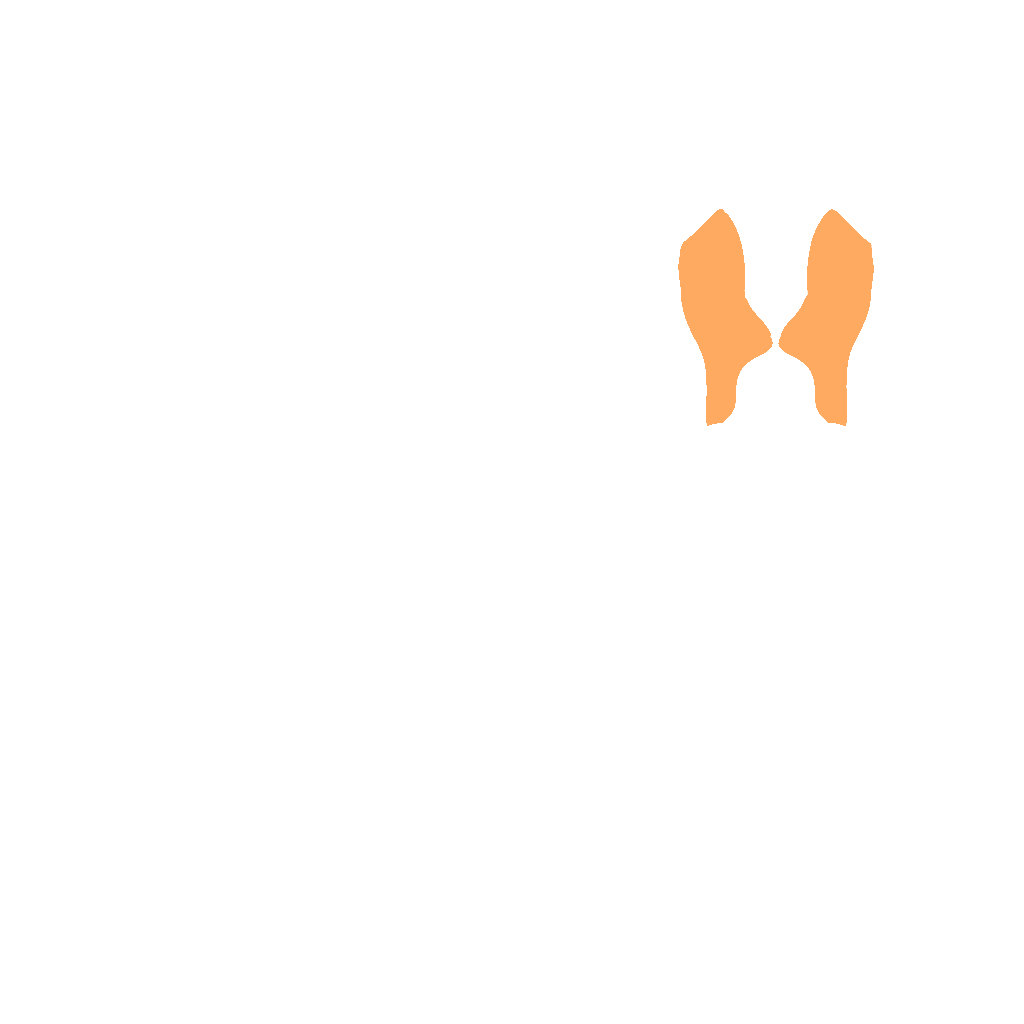






- Target
- Trapezius Middle, Deltoid Posterior
- Secondary
- Latissimus Dorsi, Trapezius Lower, Infraspinatus, Biceps Brachii Long Head, Biceps Brachii Short Head
- Tertiary
- Erector Spinae
How to do it
- 1
Attach a wide straight bar to a low cable pulley and take an overhand grip outside shoulder-width.
- 2
Step back to load the cable, then hinge to a flat-back torso around 45 degrees with knees softly bent.
- 3
Brace your core and let the arms extend so the shoulder blades reach forward.
- 4
Row the bar toward your upper abdomen, flaring the elbows out and back.
- 5
Squeeze the shoulder blades together hard at the top.
- 6
Return under control to a full stretch while holding the hinge, and exhale as you pull.
Tips
- Fix your torso angle and let only the arms and shoulder blades move.
- Drive with the elbows out wide to keep the emphasis on the upper back.
- Keep the cable path horizontal by matching the pulley to a low setting.
- If your lower back rounds under load, lighten up and re-set the hinge.
Variations
Common mistakes
- Setting up too close to the tower leaves the stack resting on the stops at the start of every rep, so there is no tension in the stretched position where the upper back does the most work; step back until the plates float.
- The feet slide toward the pulley a few inches at a time as the set goes on, and the torso angle you set at the start is gone by rep six.
- A narrow, square stance gives you nothing to resist a cable pulling you forward; split the feet or widen them so the hinge can hold still.
- The knees lock straight and the hamstrings end up holding the hinge, which sends the whole load into the low back; keep the soft bend you started with.
- The return drags you forward at the end of a hard set, and people either let go or stand up to escape it; plan the last rep so you can walk the weight back to the stack under control.
Frequently asked
- How many sets and reps of the standing wide-grip cable row should I do?
- Three sets of 10 to 12, with the load capped by how long you can hold the hinge rather than by what your upper back could pull. Because your feet and lower back are the anchor, expect a noticeably smaller number than on the seated version. Put it early enough in the session that the lower back is fresh, and not on the same day as heavy deadlifts. Progress by adding a rep to each set before you touch the stack.
- What can I do instead of the standing wide-grip cable row?
- Because the value here is constant tension held over a hinge, a band anchored at knee height and rowed wide from the same stance is the closest swap, and it travels anywhere. If the wide bar is taken, a rope or two D-handles on the low pulley keep the standing position with a narrower finish. A wide-grip barbell bent-over row loads the pattern heavier, at the cost of losing all tension at the bottom of each rep. If the lower back is what you are trying to spare, sit down and use the seated version instead.
- What is the standing wide-grip cable row good for, and when is it a poor choice?
- It puts constant tension on the mid-traps, rhomboids and rear delts while the trunk and spinal erectors hold a braced hinge, so it trains the upper back and the position at the same time, and it is a good answer when the seated stations are busy. Holding that hinge under load is real lower-back work, so end the set when the position starts to go rather than when the arms do. It is a poor choice on a day when the lower back is already loaded, and a poor choice when you want to push an upper-back set close to failure; a chest-supported row is better for that.
Related exercises
Other movements among FitRay's 2,000+ exercises that load the same target muscle — same equipment and level first.
- IntermediateCable High PullCables · Rope · Shoulder
- IntermediateCable Rear Delt FlyCables · Shoulder
- IntermediateCable Rope Rear-Delt RowCables · Shoulder
- IntermediateStanding Reverse Cable CrossoverCables · Shoulder
- IntermediateWide-Grip Seated Cable RowCables · Machine · Back
- BeginnerSeated Cable RowCables · Machine · Back