Tempo Goblet Squat
Slowing the descent to three or four seconds greatly increases the time your quads spend under load and cleans up technique by removing momentum. It lets beginners build strength and control with lighter weights while sparing the joints. Program it as a warm-up primer or an accessory when you want quality reps over heavy load.
- Equipment
- Dumbbell
- Body part
- Quads
- Type
- Strength
- Browse by muscle
- Rectus Femoris, Vastus Lateralis
- Browse by movement
- Squat




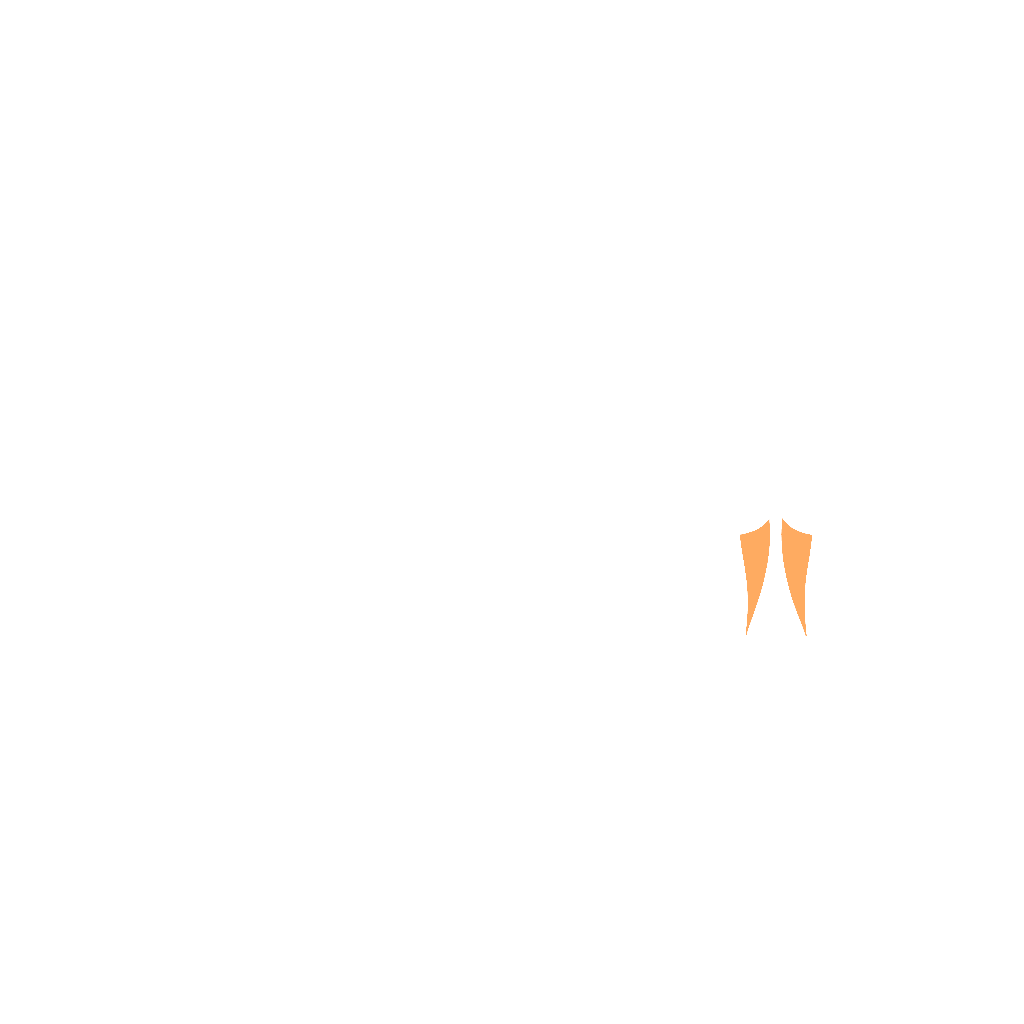


- Target
- Rectus Femoris, Vastus Lateralis
- Secondary
- Gluteus Maximus, Adductor Magnus
- Tertiary
- Erector Spinae
How to do it
- 1
Cup a dumbbell against your chest with both hands, feet shoulder-width, toes slightly out.
- 2
Brace your midsection and set a tall chest.
- 3
Lower slowly, taking three to four seconds to reach the bottom with control.
- 4
Descend until the elbows brush the inner thighs.
- 5
Without bouncing, drive up through the whole foot at a normal speed.
- 6
Reset your posture and repeat, keeping every descent equally slow.
Tips
- Count the lowering out loud or in your head so the tempo stays honest.
- Keep tension the whole way down instead of free-falling the last few inches.
- Lighten the load compared to a normal goblet squat, the slow eccentric adds real fatigue.
Variations
Common mistakes
- Timing the whole rep rather than the descent. A four-second rep that is two seconds down and two up gives you none of the eccentric work the exercise is built around.
- Pausing at the bottom before standing. A tempo squat has no hold; the direction change is immediate and controlled, and a pause turns it into a different exercise.
- Gripping the dumbbell so hard that the shoulders and neck do the bracing. The forearms carry the bell; the brace belongs in the trunk, or the traps end the set first.
- Saving these for the last exercise of a leg day, when the quads are already shaking and the count collapses by rep three. Tempo work goes first if quality is the point.
- Letting the dumbbell drift off the chest as the arms tire over a long descent, which pitches the torso forward and quietly moves the load away from the quads.
Frequently asked
- How many sets and reps of the tempo goblet squat should a beginner do?
- Three sets of eight with a three-second descent, done early in the session while you can still count honestly. Use a dumbbell about two sizes lighter than your usual goblet squat. Progress by adding a second to the descent before you add any weight; a four-second lower for three sets of eight is a real achievement. Once the count holds at four seconds, move up one dumbbell and drop back to three.
- What can I use instead of a dumbbell for the tempo goblet squat?
- A kettlebell held by the horns sits tighter to the chest and many people prefer it. A backpack full of books hugged to the sternum, or a large water container, both do the job at home. With no load at all the tempo alone is enough to make bodyweight squats hard: five seconds down, no pause, three sets of ten, and add a second each week rather than looking for something to hold.
- What is the tempo goblet squat good for and who is it for?
- Slowing the descent removes momentum and exposes the parts of your squat you usually rush, so it suits beginners learning the pattern, anyone building quad size with light weights, and lifters coming back from time off who need volume without heavy load. It works as a primer before heavier work. It is a poor choice when you are chasing maximal strength or short on time, because tempo sets take far longer for the same rep count.
Related exercises
Other movements among FitRay's 2,000+ exercises that load the same target muscle — same equipment and level first.