Goblet Squat
The goblet squat is the fastest way to teach a clean, deep squat because the front-loaded weight acts as a counterbalance and self-corrects your posture. It builds real quad and glute strength for beginners while grooving the depth and torso position needed for barbell work. Keep it in the toolbox for warm-ups and higher-rep leg volume too.
- Equipment
- Dumbbell
- Body part
- Quads
- Type
- Strength
- Browse by muscle
- Rectus Femoris, Vastus Lateralis
- Browse by movement
- Squat





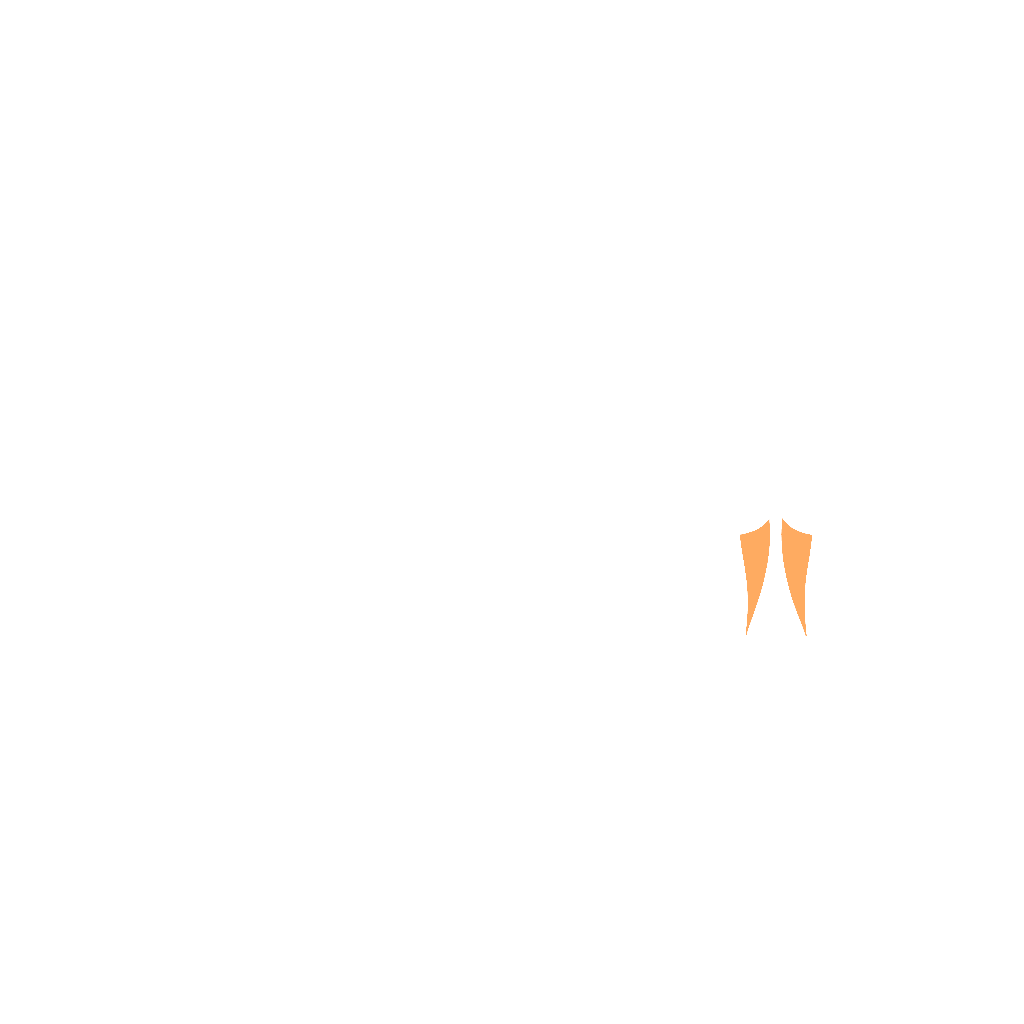


- Target
- Rectus Femoris, Vastus Lateralis
- Secondary
- Gluteus Maximus, Adductor Magnus
- Tertiary
- Upper Rectus Abdominals, Erector Spinae
How to do it
- 1
Hold a dumbbell vertically or a kettlebell by the horns against your upper chest, elbows tucked in.
- 2
Set your feet a little wider than shoulder-width with toes turned out slightly.
- 3
Take a breath, brace the trunk, and sit straight down between your knees.
- 4
Descend until your elbows brush the inside of your knees, keeping the chest tall and heels down.
- 5
Drive through the whole foot to stand back up, exhaling as you finish.
- 6
Keep the dumbbell glued to your chest for every rep so it does not pull you forward.
Tips
- Use the elbows-to-knees contact as a depth gauge and a cue to push the knees out.
- If your heels rise, widen the stance slightly or elevate the heels a touch.
- Keep the ribs down and core braced so you do not arch the lower back at the top.
Variations
Common mistakes
- Letting the weight drift away from your chest as you tire pulls the torso forward and turns the squat into a hinge; keep the bell against your sternum every rep.
- Pushing the hips back first as if sitting into a chair leaves the shins vertical and takes the load off the quads; drop straight down between your knees.
- Letting the dumbbell sag down toward the stomach drops the elbows and rounds the upper back; hold it upright and high against the chest with the elbows tucked underneath.
- Dropping into the bottom without taking a breath leaves the trunk nothing to press against and the chest folds forward; take air in at the top of each rep.
- Chasing a dumbbell heavier than you can hold cleanly ends the set with your grip and upper back giving out rather than your legs.
Frequently asked
- How many sets and reps of goblet squats should a beginner do?
- Eight to twelve reps for three sets, two or three sessions a week. Most people start somewhere around 8 to 12 kg (about 20 to 25 lb) and should pick a weight light enough to reach full depth with the heels down. Add reps first, then weight. Once holding the dumbbell is the limiting factor rather than your legs, it is time to move to a front squat or back squat and keep goblet squats as a warm-up.
- What can I do instead of a goblet squat with no dumbbell?
- A kettlebell held by the horns works the same way, and so does a backpack loaded with books and hugged to your chest, or a large water container. If you have no load at all, do bodyweight squats with your heels on a small plate or a rolled mat and a three-second descent, which keeps the torso upright and the quads under tension.
- What is the goblet squat good for and who should move on from it?
- It is the fastest way to teach a deep squat with a tall chest, because the front-loaded weight counterbalances you, and it gives beginners real quad and glute work along the way. It is also handy for warm-ups and higher-rep leg volume at any level. Its ceiling is low: you can only load what you can hold at chest height, so anyone chasing lower-body strength should progress to a barbell squat or a leg press for the heavy work.
Related exercises
Other movements among FitRay's 2,000+ exercises that load the same target muscle — same equipment and level first.