Thoracic CARs
A stiff thoracic spine forces the shoulders and low back to pick up slack they were not built for. Thoracic CARs, performed on all fours with the hips locked back, isolate rotation and extension to the mid-back so those segments learn to move under control. This is a high-value drill for overhead athletes, desk-bound trainees, and anyone chasing better posture and rotational power.
- Equipment
- Body Weight
- Body part
- Back
- Type
- Functional, Recovery, Stretching
- Browse by muscle
- Erector Spinae, Abdominal External Oblique
- Browse by movement
- Mobility Drill




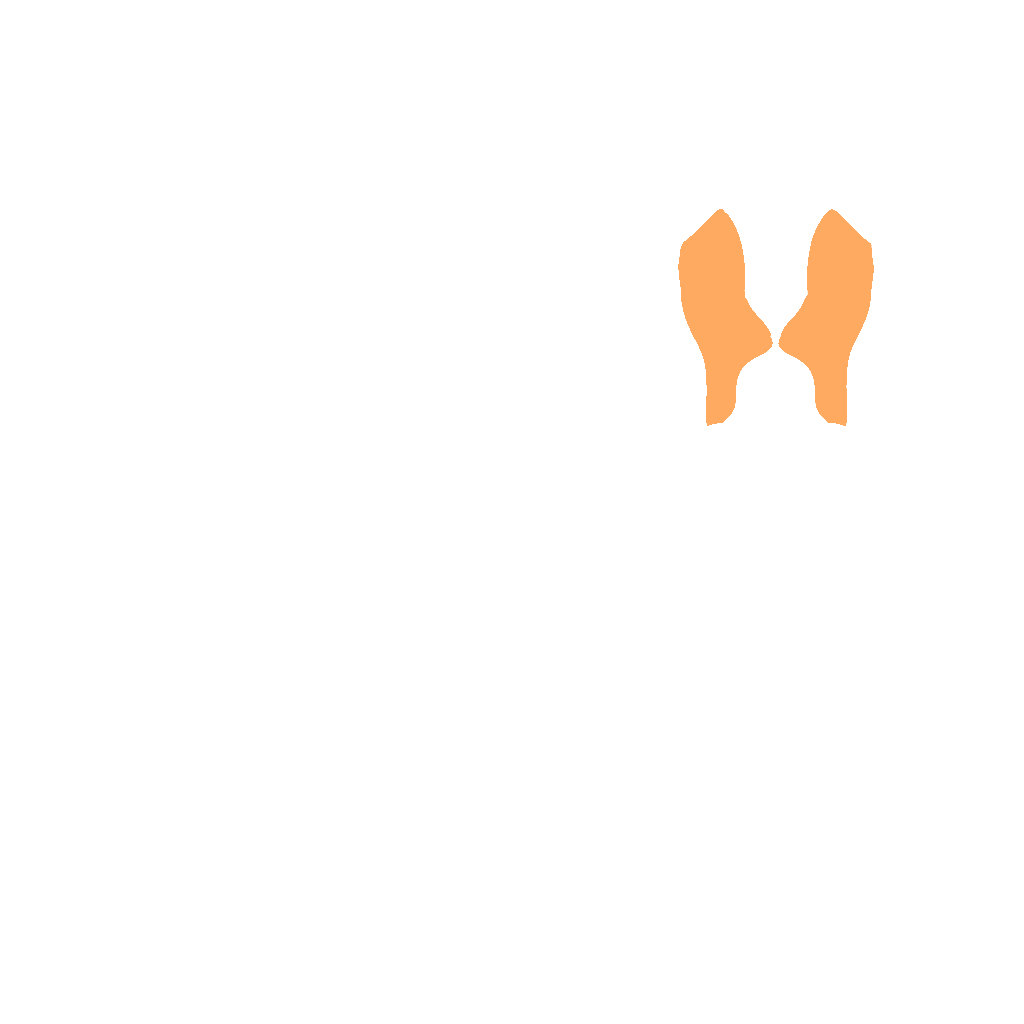


- Target
- Erector Spinae, Abdominal External Oblique
- Secondary
- Trapezius Middle, Trapezius Lower, Latissimus Dorsi
How to do it
- 1
Set up on hands and knees, then sit the hips back toward your heels to lock out the lumbar spine.
- 2
Place one hand behind your head, keeping the other planted firmly on the floor.
- 3
Slowly rotate the pointed elbow down and across toward the opposite wrist, rounding only the mid-back.
- 4
Reverse the motion, driving the elbow up and open toward the ceiling into thoracic extension and rotation.
- 5
Follow the elbow with your eyes and let the movement travel through the upper back, not the hips.
- 6
Move slowly and evenly, exhaling as you open into rotation.
- 7
Complete equal reps, then switch hands and rotate to the other side.
Tips
- Keep hips glued back over the heels so the low back cannot contribute the rotation.
- Chase the feeling of moving one vertebra at a time rather than heaving the whole trunk.
- Pause and breathe at the fully open, extended position to bank that end range.
Variations
Common mistakes
- The support arm bends and collapses partway through the rotation instead of staying planted and firm, so the base the movement rotates around keeps shifting.
- The eyes drop to the floor instead of following the moving elbow, so the head and neck disconnect from the rotation instead of guiding it.
- Some people rotate through the full range in a single quick swing instead of the slow, even pace the drill calls for, turning a controlled mobility rep into a loose stretch.
- The knees creep together or splay apart during the rotation instead of holding a steady base, so the lower body quietly starts absorbing part of the movement.
- Reps on one side get rushed through to spend more time on the tighter side, which skips the equal, even practice both sides are supposed to get.
Frequently asked
- How many reps of Thoracic CARs should a beginner do?
- Do 5 to 6 slow rotations per side, once daily or before overhead and pressing work. Build depth of rotation gradually rather than rep count, and only add a second round once each rep already moves slowly and evenly.
- How do you make Thoracic CARs easier or harder?
- To regress it, shrink the rotation range and focus only on keeping the hips locked back over the heels. To progress it, deepen the rotation, slow the tempo down further, or add a brief pause at both the fully closed and fully open ends of the range.
- What are Thoracic CARs good for?
- They restore rotation and extension to the mid-back, which takes pressure off the shoulders and low back for overhead athletes and desk-bound trainees chasing better posture. They will not fix pain coming from the low back or shoulder itself, since this drill specifically targets the thoracic segment, not those neighboring joints.
Related exercises
Other movements among FitRay's 2,000+ exercises that load the same target muscle — same equipment and level first.