Wide-Grip T-Bar Row
Swapping the close V-handle for a wide pronated grip on the T-bar flares the elbows and drives more work into the mid-traps, rhomboids, and rear delts while the chest-forward hinge keeps the lower back protected. It delivers heavy, stable loading with an upper-back bias. Use it as a main thickness builder on pulling days.
- Type
- Strength
- Browse by muscle
- Trapezius Middle, Latissimus Dorsi
- Browse by movement
- Horizontal Pull



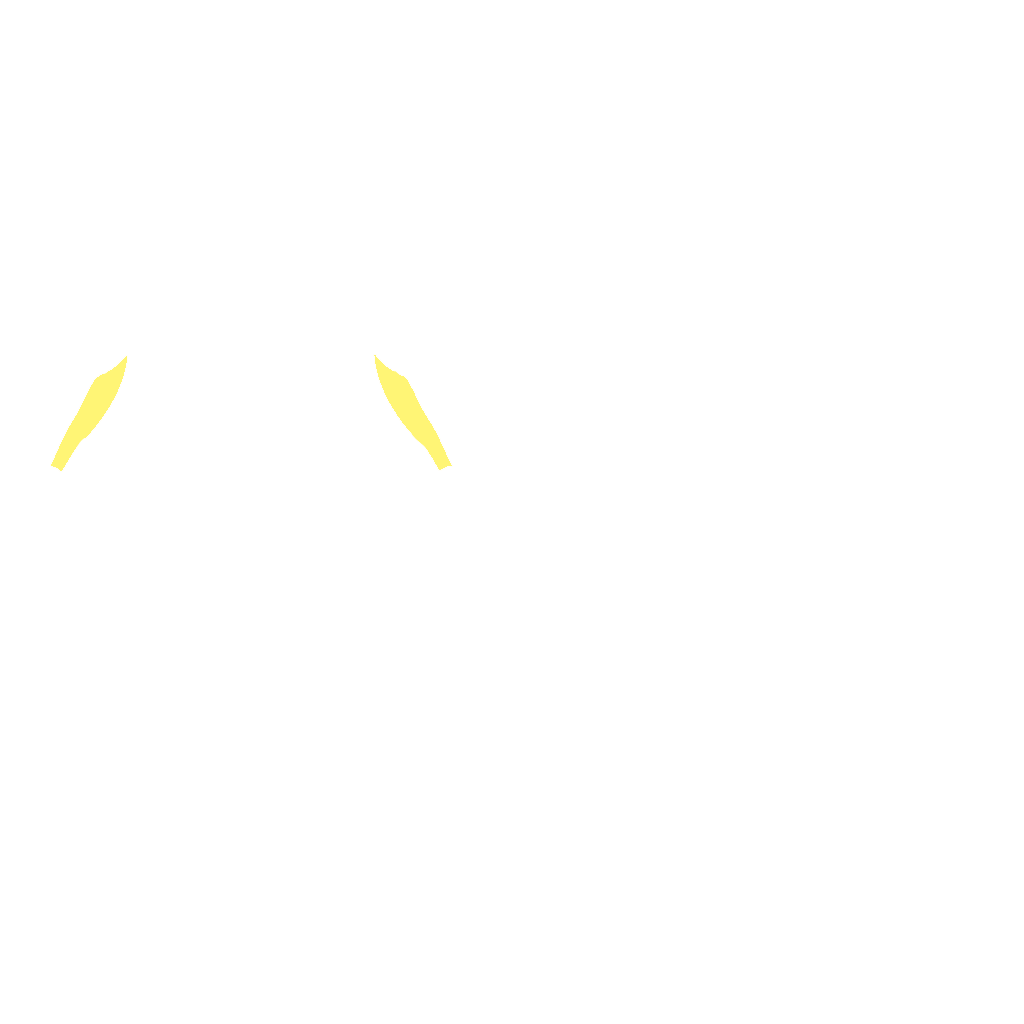
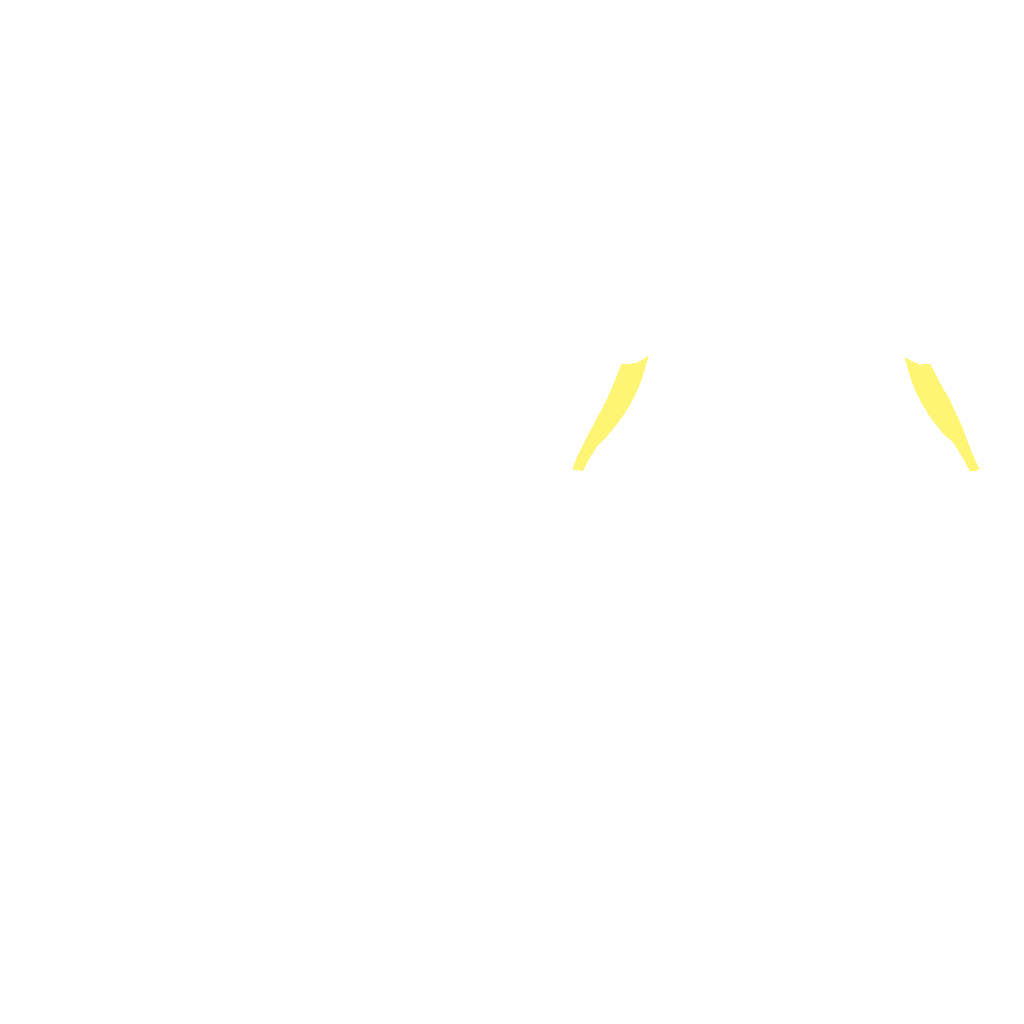







- Target
- Trapezius Middle, Latissimus Dorsi
- Secondary
- Deltoid Posterior, Trapezius Lower, Infraspinatus, Biceps Brachii Long Head, Biceps Brachii Short Head
- Tertiary
- Erector Spinae, Brachioradialis
How to do it
- 1
Load one end of a barbell in a landmine and attach or grip a wide bar across the loaded end.
- 2
Straddle the bar, hinge to a strong flat-back position, and take a wide overhand grip.
- 3
Row the weight toward your upper abdomen with elbows driving up and out.
- 4
Squeeze the shoulder blades together at the top of each rep.
- 5
Lower under control until the arms are fully extended and the back is stretched.
Tips
- Keep the chest lifted and the spine neutral through the whole pull.
- Row to the sternum area to keep tension on the upper back.
- Do not let the hips rise first; the torso angle should stay constant.
Variations
Common mistakes
- A straight bar laid across the loaded sleeve with nothing holding it will slide as soon as one side rises faster than the other; use a dedicated wide handle or clamp the bar in place.
- Elbows tuck to the ribs out of habit from the V-handle version, which puts the lats back in charge and gives up the upper-back bias the wide grip was chosen for.
- Standing right on top of the pivot makes the bar's arc almost vertical, so the pull turns into a shrug; step back until the weight travels toward you as well as up.
- The hands are set so far apart on the handle that the wrists bend back under load; keep them a little outside the elbows so the forearms stay in line with the pull.
Frequently asked
- How many sets and reps of the wide-grip T-bar row should I do?
- Three or four sets of 8 to 12, early in a pull session. One thing to know before loading it: the anchored end of the bar carries part of the weight, so plates on a landmine do not mean what the same plates mean on a barbell row, and the number will read high. Log it as its own lift rather than comparing the two. Add a small plate when every set reaches 12 with the torso angle and the elbow flare unchanged.
- What can I do instead of the wide-grip T-bar row?
- A wide-grip barbell bent-over row trains the same flared-elbow pull with a free bar and is the closest match by feel. On a machine, a wide grip on a chest-supported T-bar or a seated wide-grip row gives the upper-back bias with no hinge to hold. If the only problem is the handle, a long straight bar clamped across the landmine sleeve, or a pair of dumbbells rowed with the elbows out, does the same job.
- What is the wide-grip T-bar row good for, and when should I skip it?
- The wide pronated grip flares the elbows and drives the work into the mid-traps, rhomboids and rear delts, while the landmine keeps the bar on a fixed arc, so you get heavy upper-back loading with less balancing than a free barbell asks for. That suits intermediates building thickness and posture. Skip it on a day when your lower back is already tired, because the hinge still has to hold under a heavy load, and skip it if you have no way to fix a wide handle to the bar, since a bar resting loose on the sleeve is how it slides off mid-set.
Related exercises
Other movements among FitRay's 2,000+ exercises that load the same target muscle — same equipment and level first.
- IntermediateBarbell Bent-Over RowBarbell · Back · Lats
- IntermediateChest-Supported T-Bar RowMachine · Plate · Back
- IntermediateFeet-Elevated Inverted RowBarbell · Bench · Back
- IntermediateLandmine RowBarbell · Landmine · Plate
- IntermediatePlyometric Inverted RowBarbell · Back · Lats
- IntermediateProne Incline Barbell RowBarbell · Bench · Back