Wide-Legged Forward Fold D
Version D uses a big-toe grip to actively pull the torso deeper, intensifying the stretch across the hamstrings and inner thighs. The bent-elbow bind lets you draw down further than an unassisted fold while keeping the spine long. Reserve it for once the hamstrings are warm, and back off any sharp pulling behind the knees.
- Equipment
- Body Weight
- Type
- Stretching, Yoga
- Browse by muscle
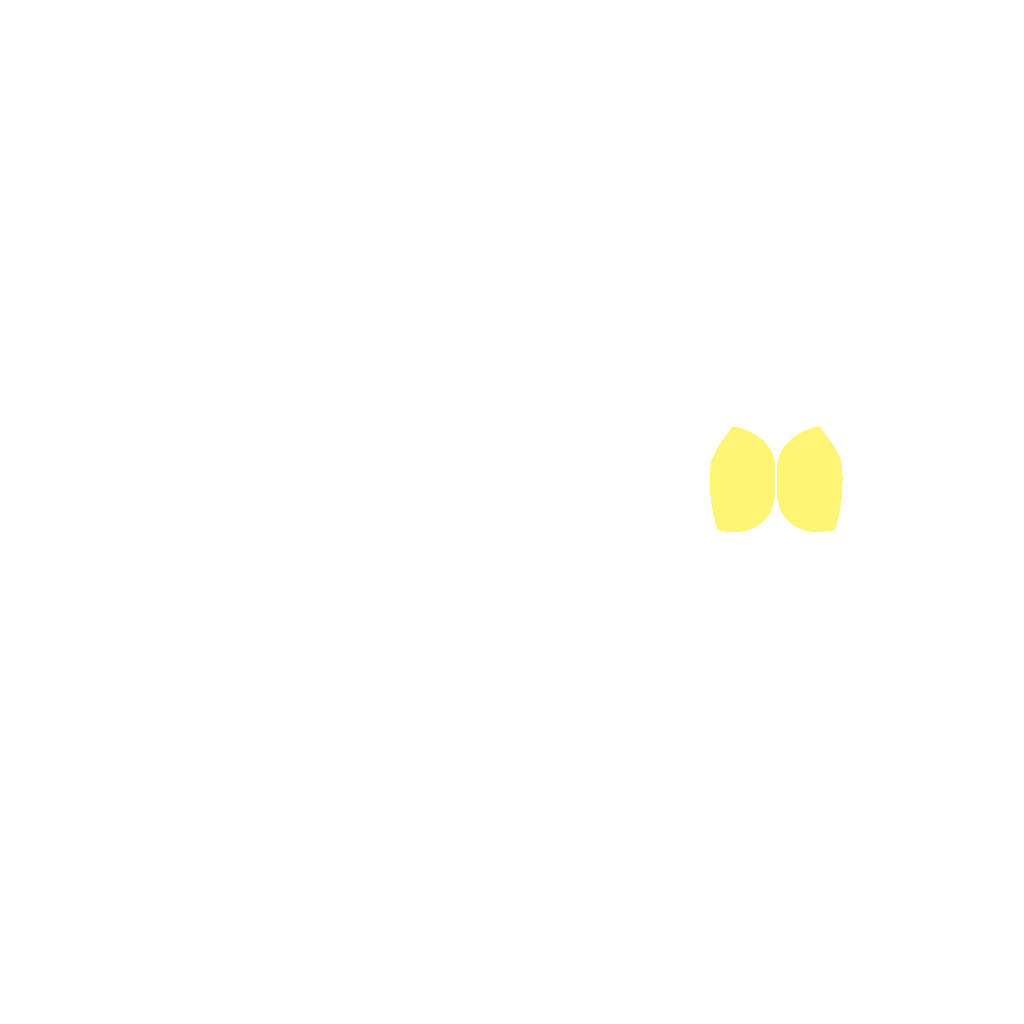
- Semitendinosus, Biceps Femoris





- Target
- Semitendinosus, Biceps Femoris
- Secondary
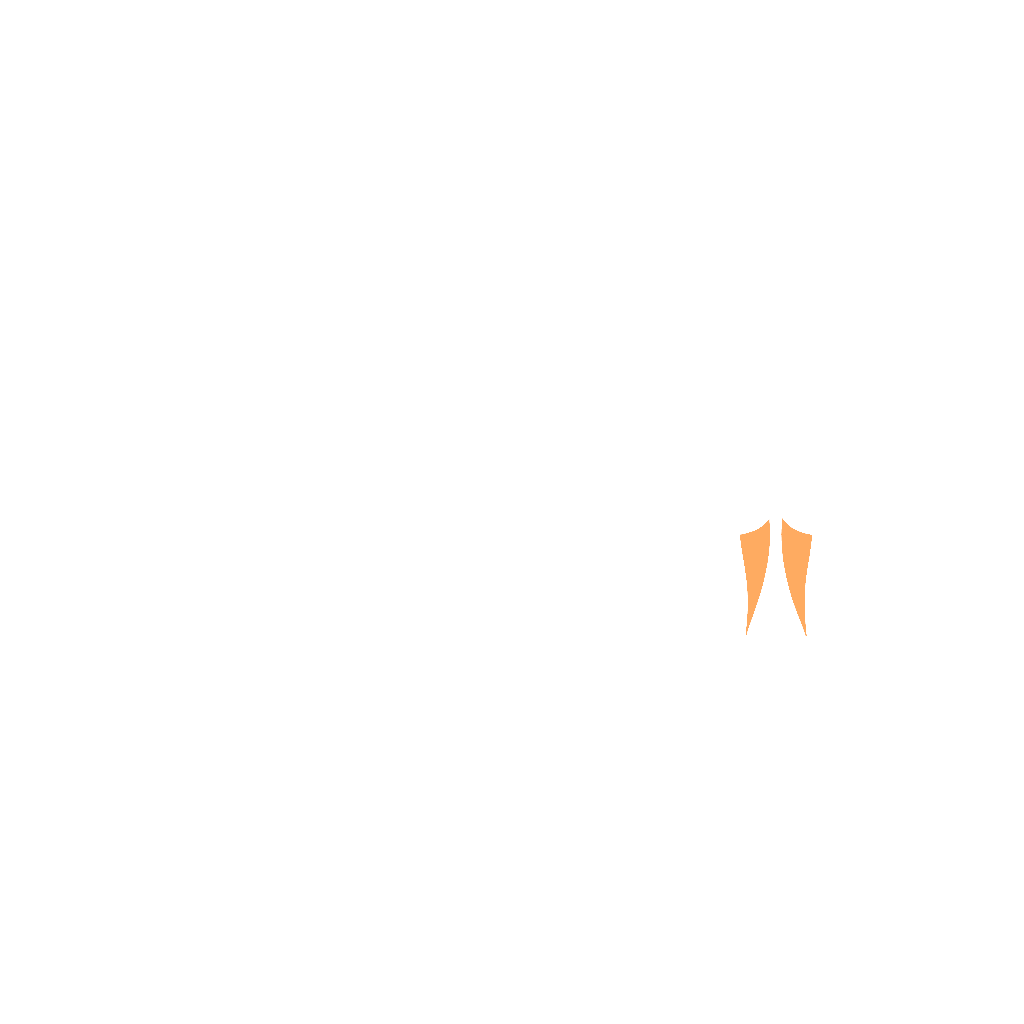
- Erector Spinae, Adductor Magnus
- Tertiary
- Gluteus Maximus
How to do it
- 1
Set the feet wide and parallel and place the hands on the hips.
- 2
Hinge from the hips with a flat back and fold forward, bringing the hands to the floor between the feet.
- 3
Hook the first two fingers and thumb around each big toe.
- 4
Bend the elbows straight back and gently pull the torso deeper toward the mat.
- 5
Aim the crown of the head between the feet while keeping the front of the spine long.
- 6
Hold for several breaths, release the toes, and rise with soft knees.
Tips
- Lead with the chest, not the forehead, so the spine lengthens instead of rounding hard.
- Keep the thighs firm and lifting the kneecaps to protect the backs of the knees.
- If you cannot reach the toes, hold the ankles or shins and pull gently from there.
Variations
Common mistakes
- The arms do the work the hips should: the elbows haul the torso down while the pelvis stays put, and the pull lands behind the knees instead of in the hamstrings.
- The elbows flare out to the sides rather than bending straight back, which turns the pull into a shoulder squeeze that never reaches the spine.
- The grip slips out to the fingertips, so you are pulling hard against a hold that can let go mid-stretch; keep the first two fingers and thumb hooked around each big toe.
- The knees lock back hard to get lower, and a joint pushed into hyperextension under a pull is how the back of the knee gets sore.
- The pull arrives in one yank instead of building across several breaths, which is the version that leaves the hamstrings sore for days.
Frequently asked
- How long should I hold wide-legged forward fold D, and when in a session?
- Five or six breaths per round, two rounds, late in a session and after at least one easier wide-legged fold has already been held. The pull should build across the breaths rather than arrive at once. If the hamstrings are cold, skip it: the active pull is what makes this version deep, and that same pull on a cold hamstring is how people end up sore for a week.
- How do I make wide-legged forward fold D easier or harder?
- Easier: narrow the stance a few inches, keep a soft bend in the knees, and loop a strap or towel under the arches to pull against instead of reaching for the toes. A pair of blocks under the hands lets you rehearse the bent-elbow pull without going all the way to the floor. Harder: widen the stance, draw the crown down between the feet, hold for ten breaths, or turn the toes in slightly, which sends more of the stretch into the inner thighs.
- What is wide-legged forward fold D for, and when should I skip it?
- The toe grip lets you pull yourself deeper than gravity alone would, making this an active hamstring and adductor stretch for the end of a mobility session, and the bent-elbow pull keeps the spine long while you do it. Skip it with a high hamstring strain, especially with tenderness near the sitting bone, because a deep hinge over straight legs is the load that keeps that irritated. Back off any sharp pulling behind the knee, and choose a supported fold if being upside down makes you dizzy.
Related exercises
Other movements among FitRay's 2,000+ exercises that load the same target muscle — same equipment and level first.
- Intermediate5-10-5 Pro Agility ShuttleBody Weight · Glutes · Quads
- Intermediate300-Yard ShuttleBody Weight · Hamstring · Quads
- IntermediateAirplane PoseBody Weight · Glutes · Hamstring
- IntermediateB-MarchBody Weight · Hamstring · Quads
- IntermediateB-SkipBody Weight · Hamstring · Quads
- IntermediateBackward Broad JumpBody Weight · Glutes · Hamstring