Wind-Relieving Pose
Wind-Relieving Pose is a gentle supine reset that draws both knees into the chest to decompress the lumbar spine and stretch the glutes. It is one of the most accessible poses in the practice and a common counterpose after backbends or a long day of sitting. Coaches often use it to close a session, calm the nervous system, and ease the low back.
- Equipment
- Body Weight
- Type
- Stretching, Yoga
- Browse by muscle
- Gluteus Maximus, Erector Spinae



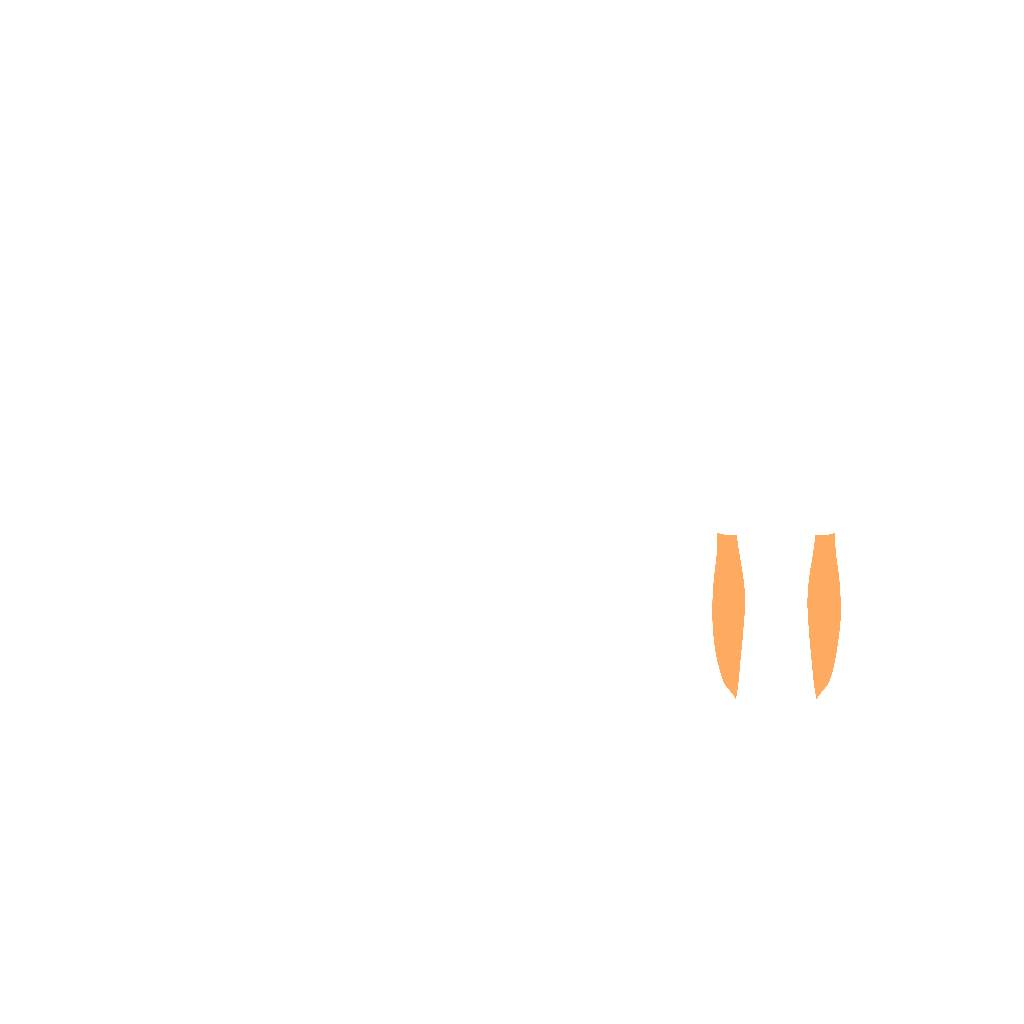


- Target
- Gluteus Maximus, Erector Spinae
- Secondary
- Semitendinosus
- Tertiary
- Lower Rectus Abdominals
How to do it
- 1
Lie on your back with the legs extended along the floor.
- 2
Bend both knees and draw them in toward the chest.
- 3
Wrap the arms around the shins or the backs of the thighs and hug gently.
- 4
Let the tailbone and low back soften down into the mat.
- 5
Keep the head and shoulders relaxed on the floor as you breathe into the belly.
- 6
Release the legs and extend them long to finish.
Tips
- Hold behind the thighs instead of the shins if the knees feel compressed.
- Rock gently side to side to massage the low back if it feels good.
- Keep the shoulders and neck heavy on the mat rather than lifting the head.
Variations
Common mistakes
- The knees splay wide around the belly, which turns the hug into a groin stretch and leaves the low back as round as it started; keep them together so the lumbar spine can flatten.
- Five seconds between two other poses is not long enough for anything here; a guarded low back takes most of a minute of quiet breathing before it stops holding on.
- The belly stays braced while the arms pull, so the breath has nowhere to go; let the thighs press into a soft belly on each inhale and the hug deepens on its own.
- Both legs get dropped to the floor at the end, which drags the low back out of flexion in one go; slide the heels down along the mat instead.
Frequently asked
- How long should a beginner hold Wind-Relieving Pose?
- One to two minutes of slow breathing, once or twice through; this is a hold rather than a set of reps. It suits the end of a session, the end of a day of sitting, or the few minutes before sleep, and it is gentle enough for daily use. There is no real progression to chase. If you want more from it, extend the time and slow the breath rather than pulling the knees in harder.
- How do I make Wind-Relieving Pose easier or harder?
- Easier: hug one knee at a time with the other foot flat on the floor, hold behind the thigh rather than the shin, and slide a thin cushion under the head so the chin does not tip up. Harder is the wrong word for a pose like this, but you can ask more of it by drawing the knees slightly apart and then in toward the armpits, which reaches further into the glutes, or by lifting the head toward the knees for a few breaths, which turns it into gentle abdominal work rather than a release.
- What is Wind-Relieving Pose good for, and when should you skip it?
- It flexes the lumbar spine with no load and stretches the glutes, which is why it works as a counterpose after backbends, a reset after a day in a chair, and a closing shape before rest. Almost any level can do it. Skip it, or keep the hug very light, during an acute low back flare-up with sharp or radiating pain, since loaded flexion is not the first thing a spine in that state wants; that situation needs a professional look rather than a pose.
Related exercises
Other movements among FitRay's 2,000+ exercises that load the same target muscle — same equipment and level first.
- BeginnerGlute BridgeBody Weight · Glutes · Hamstring
- Beginner90/90 Hip SwitchBody Weight · Glutes · Thighs
- BeginnerAcceleration Wall DriveBody Weight · Glutes · Quads
- BeginnerArch Body HoldBody Weight · Back · Glutes
- BeginnerB-Stance Glute BridgeBody Weight · Glutes · Hamstring
- BeginnerBackpedalBody Weight · Glutes · Quads