Wrist Radial Deviation Stretch
Most wrist stretches only cover flexion and extension, leaving the side-bending muscles ignored. Bending the wrist toward the thumb loads the ulnar-side tissues that get cranky from hammering, racket sports, and heavy carries. It is a small movement, so keep it gentle and precise.
- Equipment
- Body Weight
- Body part
- Forearms
- Type
- Stretching
- Browse by muscle
- Extensor Carpi Ulnaris


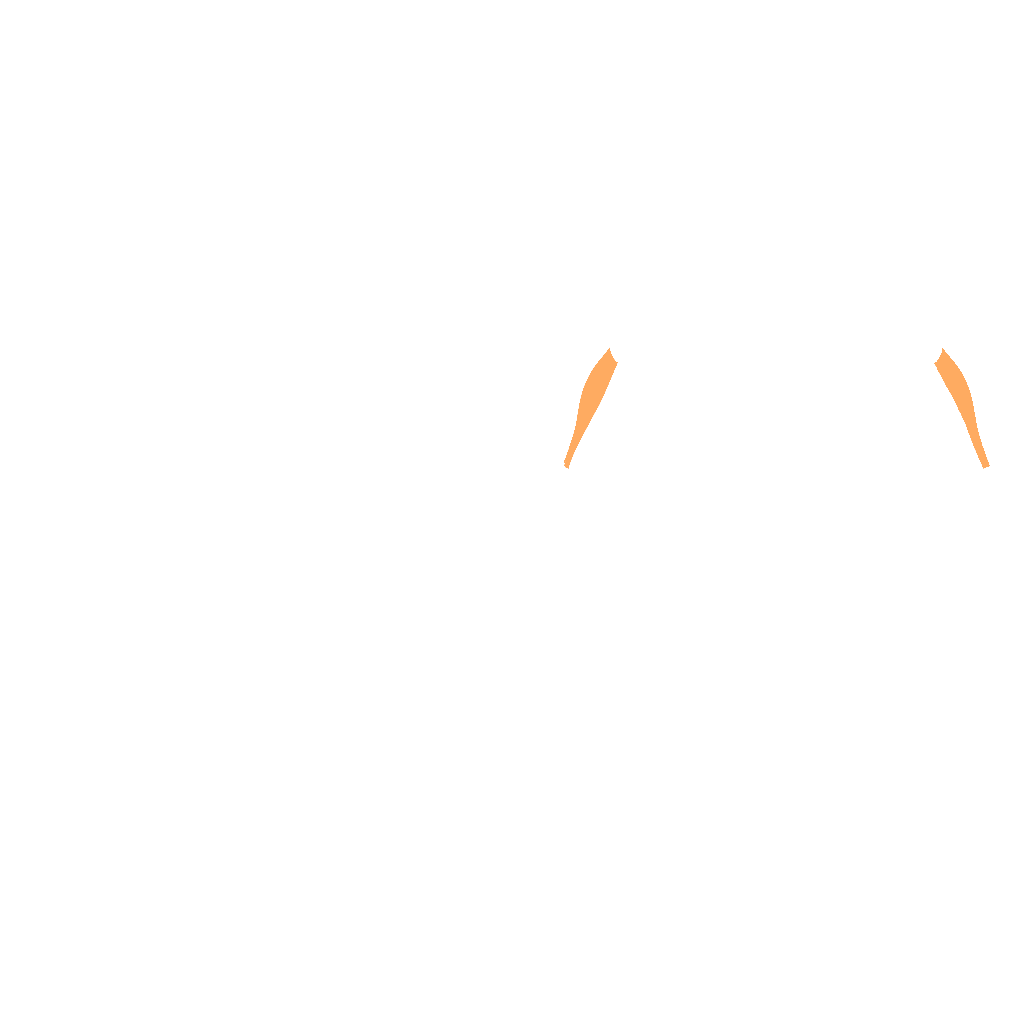
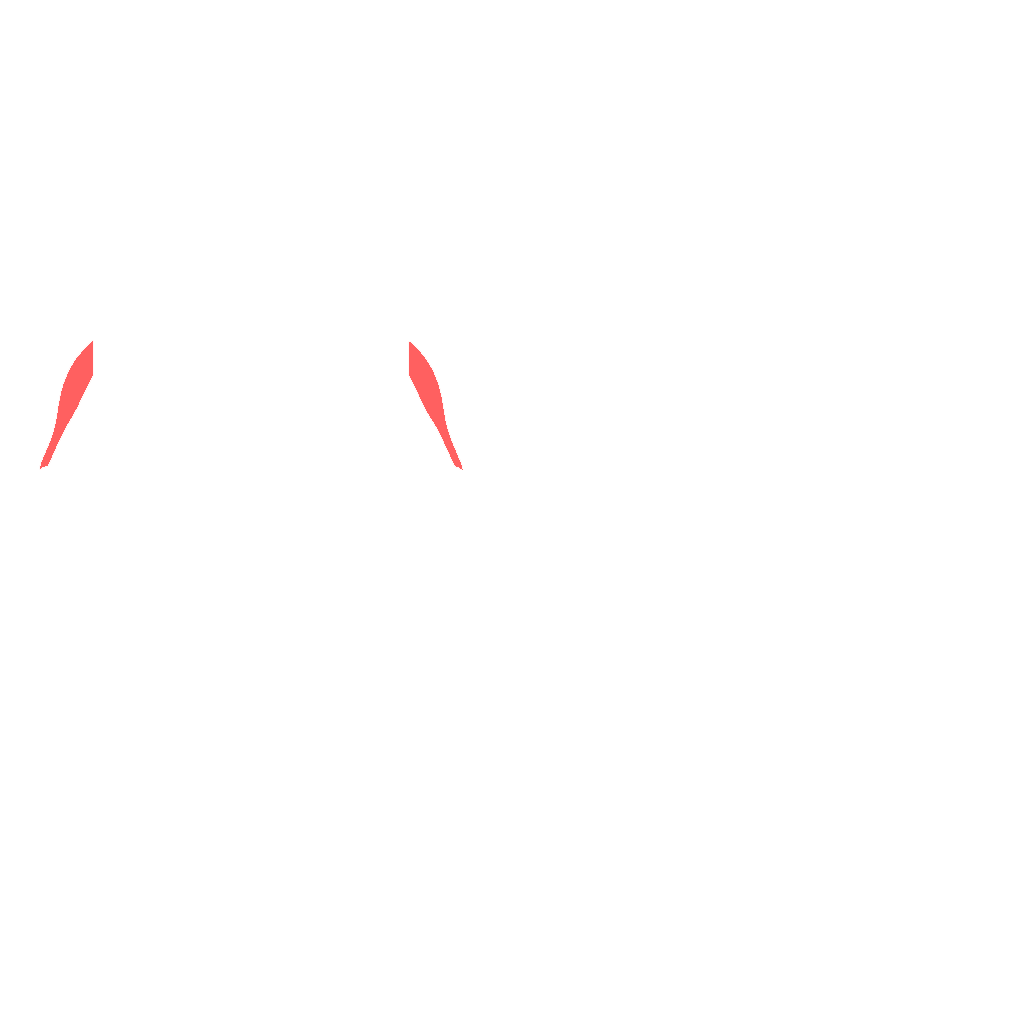
- Target
- Extensor Carpi Ulnaris
- Secondary
- Extensors
How to do it
- 1
Rest your forearm on a table on its little-finger edge, thumb pointing up, with the hand just past the edge.
- 2
Keep the forearm still and slowly bend the wrist so the thumb side lifts toward the ceiling.
- 3
Use the other hand to add a light assist at the end range if needed.
- 4
Hold at a mild stretch on the little-finger side of the wrist for 20 seconds.
- 5
Return to neutral slowly and repeat twice per side.
Tips
- This is a short-range joint, so a small movement is plenty; do not force it.
- Anchor the forearm firmly so the motion is pure side-bending, not rotation.
- Stop immediately if you feel pinching on the thumb side rather than a stretch on the opposite side.
Variations
Common mistakes
- Halfway through the hold the tilt quietly drifts back toward neutral, because nothing is holding it there; check that the thumb side is still lifted at 20 seconds, not only at the start.
- The fingers curl into a fist as the wrist tilts, and the grip muscles that cross the joint pull against the very tissue you are asking to lengthen; let the hand hang loose.
- Pushing on the thumb itself to add range loads that one joint instead of tilting the whole hand; press against the edge of the hand below the thumb instead.
- A table set too high props the shoulder up, so you spend 20 seconds holding the arm in place rather than letting it rest while the wrist tilts; use a surface near elbow height when seated.
- The two deviation directions get mixed up, so the hand tilts whichever way feels easier; the thumb side tilting up toward the ceiling is what lengthens the little-finger side of the wrist.
Frequently asked
- How long should you hold the wrist radial deviation stretch, and how often?
- Two or three holds of 20 seconds on each wrist, once during the day and again after anything that hammers the grip: racket sessions, heavy carries, hours with a hammer or a drill. Fifteen seconds is a fine starting point while the end range feels unfamiliar. Progress by adding a hold rather than by tilting further, since the joint has only a small amount of side-to-side range and it does not grow much. Pair it with the ulnar deviation version so both sides of the wrist get the same attention.
- How do you make the wrist radial deviation stretch easier or harder?
- Easier: drop the assisting hand and let the wrist tilt only as far as its own muscles take it, keeping the forearm heavy on the table. Harder: slide the arm forward so more of the hand hangs past the edge, straighten the elbow so the long forearm muscles start at full length, and lengthen the hold from 20 to 30 seconds. Either way the limit is mild tension on the little-finger side, not force from the free hand.
- What is the wrist radial deviation stretch for?
- It reaches the little-finger side of the wrist and forearm, which plain flexion and extension stretches mostly miss, so it suits racket players, climbers, and anyone whose wrists ache after carries or repetitive hammering. Use it alongside the ulnar version to cover the joint in both directions. It is not an answer to pain on the little-finger side of the wrist that keeps returning, which is worth having looked at rather than stretched, and it builds no strength; wrist work with a band or a light dumbbell covers that.
Related exercises
Other movements among FitRay's 2,000+ exercises that load the same target muscle — same equipment and level first.
- BeginnerWrist CARsBody Weight · Forearms
- BeginnerBand Wrist Radial and Ulnar DeviationBand · Forearms
- BeginnerCable Reverse Wrist CurlBench · Cables · Forearms
- BeginnerDumbbell Ulnar DeviationDumbbell · Forearms
- IntermediatePlate Ulnar DeviationPlate · Forearms
- IntermediateThick-Bar Reverse CurlBarbell · Forearms