Air Bike Sprint
The fan-based air bike scales resistance to effort, so a sprint punishes exactly as hard as you push, engaging arms and legs simultaneously. Short maximal bursts build brutal anaerobic conditioning with almost no impact. It is a go-to for metabolic finishers, repeat-sprint work, and time-crunched interval days. Because the air bike hides nothing, respect the rest periods.
- Equipment
- Machine
- Type
- Cardio
- Browse by muscle
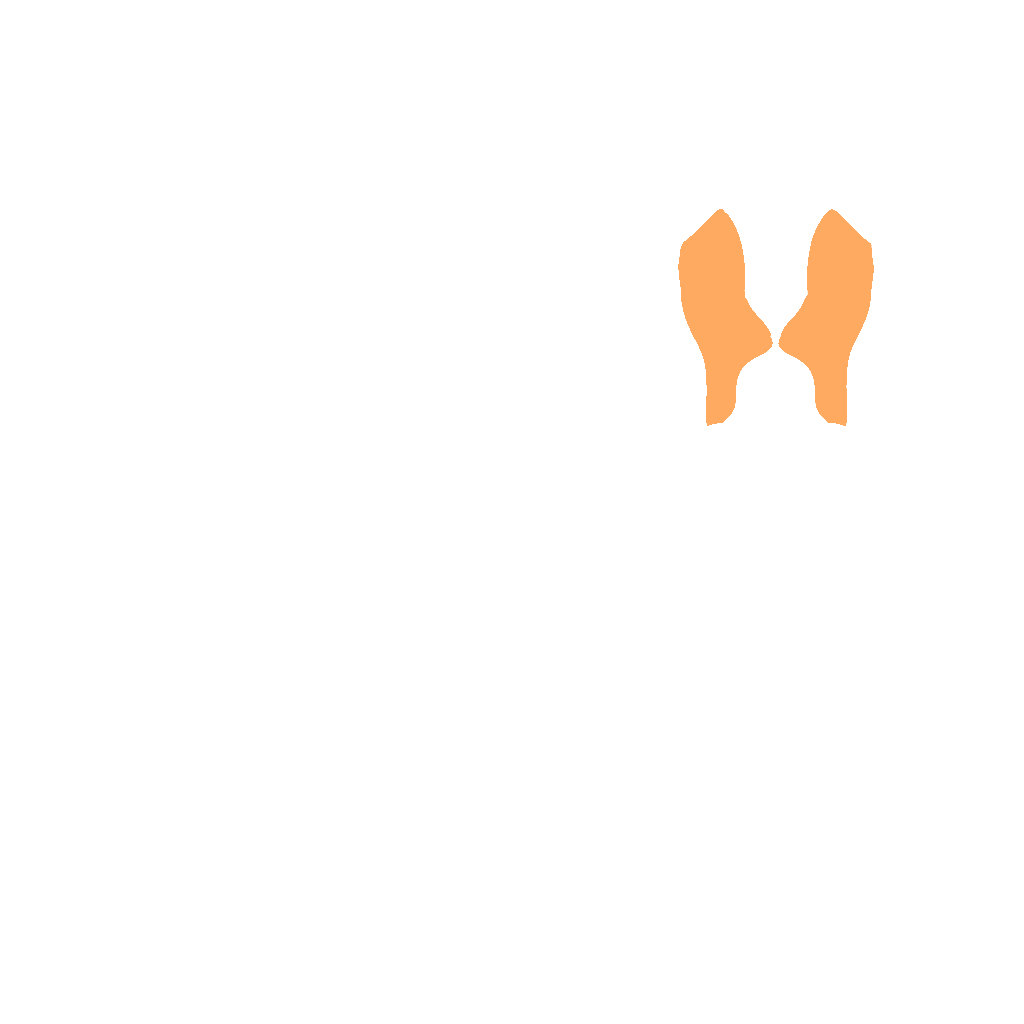
- Rectus Femoris, Vastus Lateralis, Gluteus Maximus











- Target
- Rectus Femoris, Vastus Lateralis, Gluteus Maximus
- Secondary
- Biceps Femoris, Semitendinosus, Latissimus Dorsi, Deltoid Posterior
- Tertiary
- Gastrocnemius Medial Head, Triceps Brachii Long Head, Upper Rectus Abdominals
How to do it
- 1
Set the seat height so knees bend slightly at the bottom of the pedal stroke.
- 2
Warm up for a few minutes at an easy, conversational pace.
- 3
On the call, drive the pedals and pull-push the handles as hard as possible together.
- 4
Sprint all-out for 10 to 30 seconds, keeping the fan roaring the entire time.
- 5
Ease off and spin lightly or rest for 60 to 120 seconds.
- 6
Repeat for 6 to 10 sprints, stopping when output clearly fades.
Tips
- Push and pull the handles aggressively; the arms can add a large share of the watts.
- Sit tall and brace the trunk so power is not lost to a slumped posture.
- Chase a target calorie or watt number each sprint to keep effort honest.
Variations
Common mistakes
- The effort starts from a standstill, so the first three seconds go into spinning a dead fan rather than into producing power; keep the legs turning slowly in the seconds before the clock starts.
- Calories keep climbing as long as the fan spins, so a sprint that fades still adds numbers; compare the first five seconds of each effort instead of the total on the display.
- The chest drops toward the handles as the sprint peaks, which shortens the arm push and squeezes the breathing at the moment you need the most air.
- Rest is spent sitting hunched on the bike with the breathing still compressed; get off, stand tall, and walk a few steps between efforts.
- Efforts at the top of the 10-to-30-second range stop behaving like sprints, since fan resistance rises with whatever you give it; keep them short when power is the goal and save the long ones for conditioning.
Frequently asked
- How many air bike sprints should you do when you are new to the exercise?
- Six efforts of 15 seconds with two full minutes between them, once or twice a week, is a genuine starting point, and keep total sprint time under about three minutes. Add efforts before you add seconds, and treat a drop in peak output as the end of the session rather than a reason to grind out the planned number. A few minutes of easy pedaling at either end matters here, since the fan gives you no chance to ease into a sprint.
- What can I use instead of an air bike for sprints?
- A ski erg or rowing erg sprint keeps the arms and legs working together and fades in the same honest way. A spin bike sprint covers the legs only, so pair it with ten seconds of hard push-ups if you want the upper body in. A short sled push or a 15-second shuttle run works outdoors, with impact added. At home, alternating 15 seconds of hard kettlebell swings with two minutes of walking gives a similar shape, though the hinge means technique matters much more when you are tired.
- What is an air bike sprint good for, and who should avoid it?
- It builds anaerobic power and a brutal conditioning stimulus with no impact, and because the fan scales to effort there is no gear to set or skill to learn, which makes it a staple finisher and a good repeat-sprint tool. It is a poor choice when you want a steady, comparable aerobic pace, since output depends on how hard you happen to push. If you are new to hard exercise, or managing a heart or blood-pressure condition, build with steady riding first and get clinical advice before any all-out work.
Related exercises
Other movements among FitRay's 2,000+ exercises that load the same target muscle — same equipment and level first.