Ski Erg Sprint
A ski erg sprint is an all-out double-pole burst that develops upper-body anaerobic power and a rock-solid brace. The intense, near-limit strokes reward athletes who already own the movement, placing it at the advanced level. Use it to build punchy pulling power for grappling, climbing, or skiing. Keep the efforts short and the rests long to protect quality.
- Equipment
- Machine
- Type
- Cardio
- Browse by muscle
- Latissimus Dorsi, Triceps Brachii Long Head, Triceps Brachii Lateral Head, Triceps Brachii Medial Head
- Browse by movement
- Core Brace, Vertical Pull


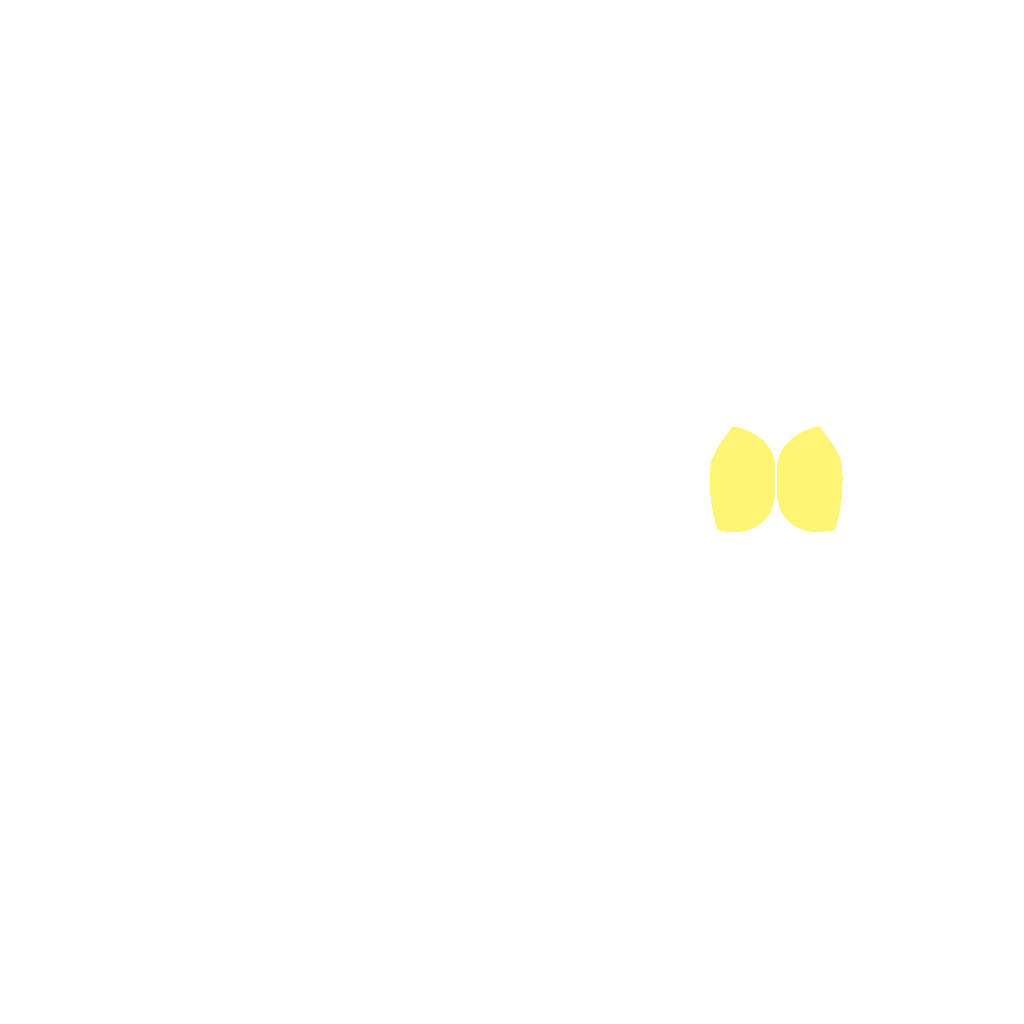
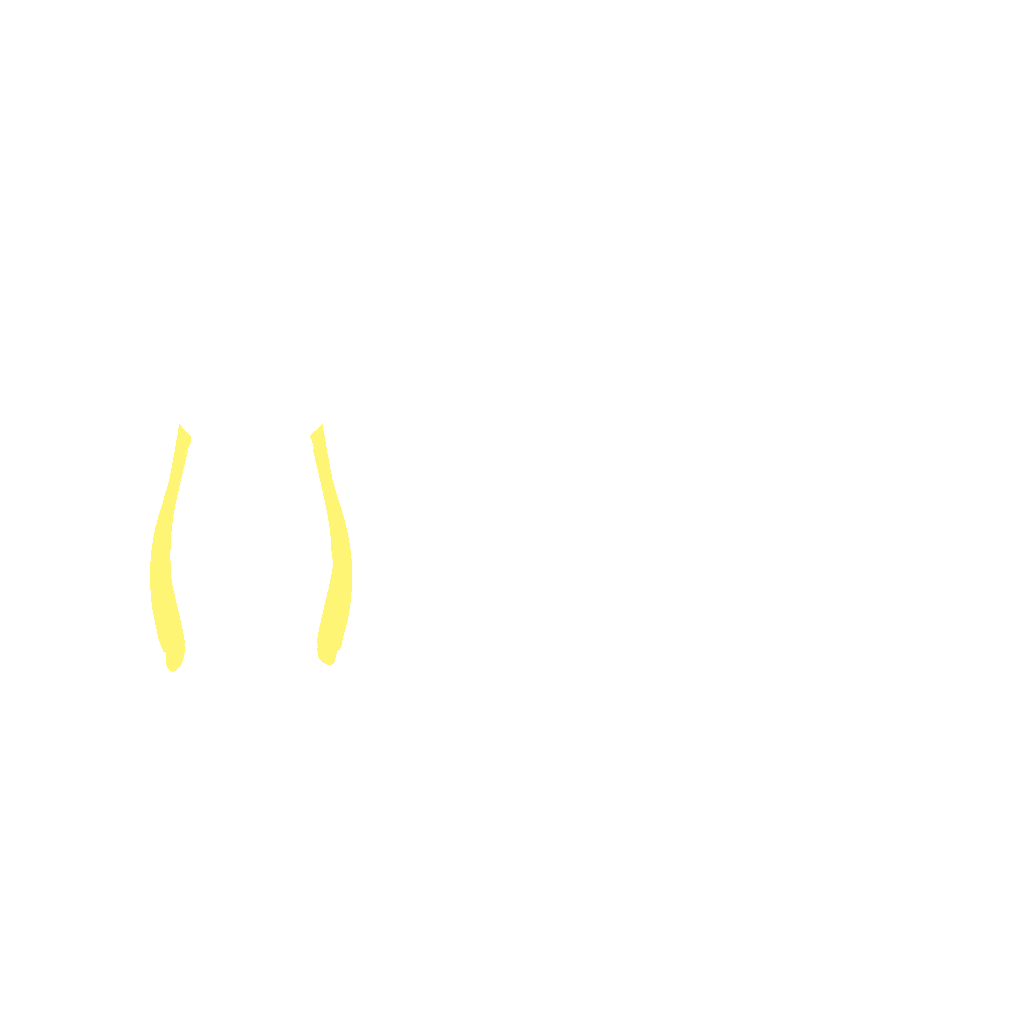








- Target
- Latissimus Dorsi, Triceps Brachii Long Head, Triceps Brachii Lateral Head, Triceps Brachii Medial Head
- Secondary
- Abdominal External Oblique, Upper Rectus Abdominals, Erector Spinae, Deltoid Posterior
- Tertiary
- Gluteus Maximus, Vastus Lateralis
How to do it
- 1
Warm up with several minutes of easy to moderate double-poling.
- 2
From a tall stance with handles overhead, explode into the first stroke.
- 3
Sprint all-out for 10 to 20 seconds, pulling with maximum force and rate.
- 4
Crunch the trunk hard on every stroke to add power behind the arms.
- 5
Stop and rest fully for two to three minutes between efforts.
- 6
Complete 4 to 8 sprints, ending the set when stroke power visibly drops.
Tips
- Punch the handles down forcefully but keep them tracking close to the torso.
- Brace the core before the first pull so the trunk crunch transmits into the handles.
- Do not let the low back round under fatigue; hinge from the hips instead.
Variations
Common mistakes
- Grip is the first thing to fail in an all-out effort, and the handles start slipping at the moment you are pulling hardest; chalk or a thin glove buys you the last few strokes.
- The feet stay squared and parallel, and at this force the body begins to rotate between strokes; a slightly wider stance gives the pull something to push against.
- The hips shoot back into a deep hinge on every stroke because it feels powerful, and fifteen seconds of that is a great deal of loaded flexion for the low back; keep the hinge short and sharp.
- Rest gets cut short because the legs feel fine, and the legs are not what is working here; the arms and trunk need the full two to three minutes before they can produce force again.
- The handles get released at the end of an effort and snap back up to the top, which is how a knuckle meets the frame; ride them up under control even when you are finished.
Frequently asked
- How many ski erg sprints should I do, and what should I own before trying them?
- Five or six efforts of 10 to 15 seconds with two to three minutes between them, once a week, and stop the session when the first second of a pull no longer feels sharp. Before starting, you should be able to hold controlled double-poling for five continuous minutes with the hinge coming from the hips rather than a rounding back, and have the grip strength to keep hold of the handles under full force. Lengthen the efforts toward 20 seconds only once power holds across every rep.
- What can I do instead of ski erg sprints?
- A rope pull with a loaded sled at the other end is the nearest thing, since it is all-out, upper-body, and ends when power drops. Heavy lat pulldown clusters of five fast reps, or short battle rope bursts, train a similar punchy pull with different equipment. A rowing sprint brings the legs in and covers the same energy system. Without equipment there is no true substitute for a maximal upper-body pull, so explosive push-ups against a short clock are the nearest compromise.
- What is a ski erg sprint good for, and when is it a poor choice?
- It builds upper-body anaerobic power and a hard brace, which carries into grappling, climbing, and Nordic skiing, and the short format costs little in total volume. It is a poor choice for anyone who has not already built the double-pole pattern, since every stroke is near-limit, and a poor choice while an elbow or a shoulder is irritated by forceful pulling. A low back that dislikes repeated flexion under load will not enjoy it either, and it does almost nothing for the legs.
Related exercises
Other movements among FitRay's 2,000+ exercises that load the same target muscle — same equipment and level first.
- BeginnerAssisted Chin-UpMachine · Biceps · Lats
- BeginnerAssisted Neutral-Grip Pull-UpMachine · Biceps · Lats
- BeginnerAssisted Pull-UpMachine · Back · Lats
- IntermediateAssisted Wide-Grip Pull-UpMachine · Back · Lats
- BeginnerHigh Row MachineMachine · Back · Lats
- BeginnerIso-Lateral Machine PulldownMachine · Back · Lats