Band High-to-Low Chest Fly
Pulling from above your shoulders down toward your waistline lines up with the lower sternal fibers of the pec, giving that lower-chest contraction most band work misses. Band tension builds toward the bottom, so the squeeze feels loaded rather than empty. Slot it in as an accessory or burnout after your main pressing work.
- Equipment
- Band
- Body part
- Chest
- Type
- Strength
- Browse by muscle
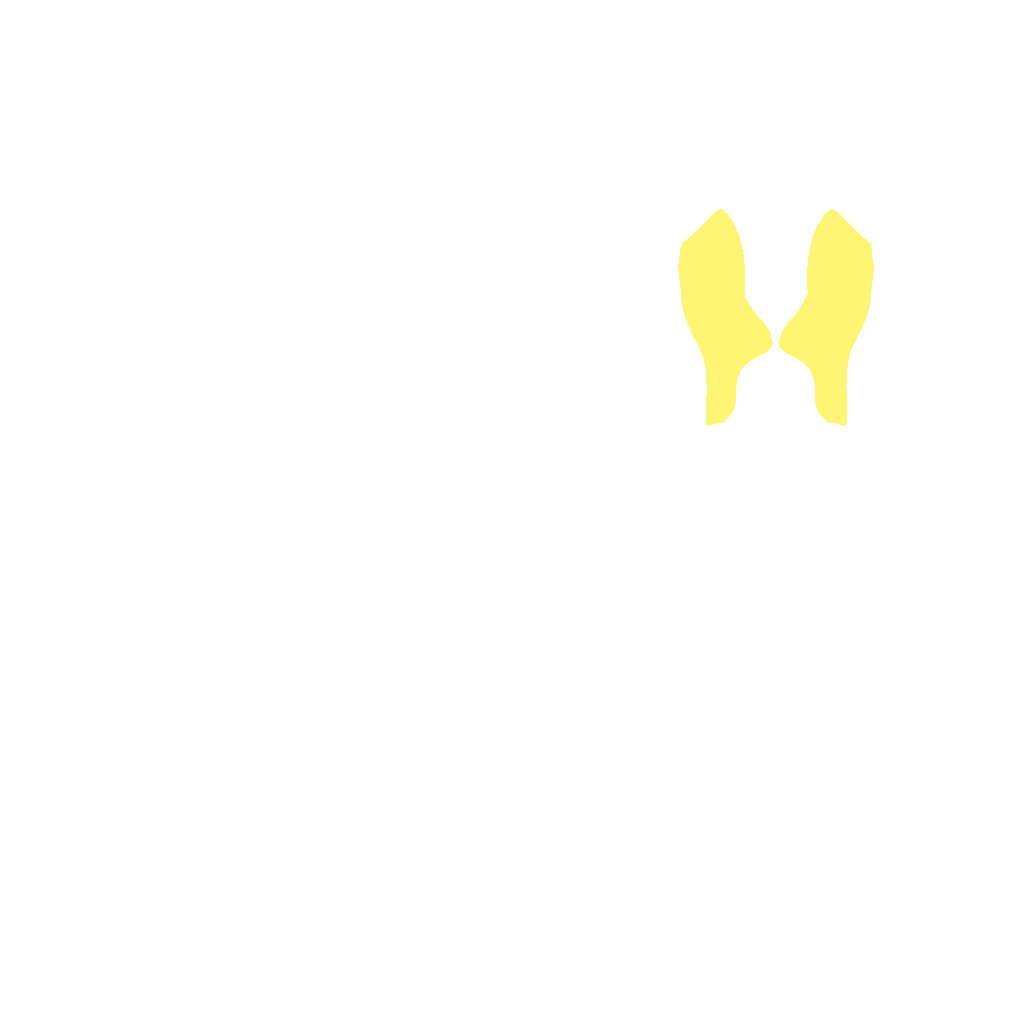
- Pectoralis Major Sternocostal
- Browse by movement
- Horizontal Adduction





- Target
- Pectoralis Major Sternocostal
- Secondary
- Deltoid Anterior, Pectoralis Major Clavicular
- Tertiary
- Latissimus Dorsi
How to do it
- 1
Anchor a band high on each side above shoulder height and grip an end in each hand.
- 2
Step forward into a split stance with arms up and out, elbows slightly bent.
- 3
Brace the trunk and pull the shoulder blades down.
- 4
Draw both hands down and in along an arc until they cross or meet near your waist.
- 5
Squeeze the lower chest hard at the bottom.
- 6
Let the hands rise back up and out slowly, keeping the elbow bend constant.
Tips
- Keep a fixed soft elbow bend throughout so it stays a fly.
- Finish with the hands low and together, not out in front, to bias the lower chest.
- Stay tall; do not lean forward and turn it into a press-down.
- Control the return; the eccentric is where the chest grows.
Variations
Common mistakes
- The elbows drive down toward the hips before the hands do, and the lats take over a movement the lower pec should be finishing.
- Anchors set only slightly above the shoulders give a nearly horizontal path, so the rep is a plain fly and the downward angle never happens.
- The knees straighten and the hips push back as the hands come down, turning the set into a whole-body pull rather than an isolated arc.
- The hands crash together at the bottom and tension vanishes for a beat, so the position where the lower chest is shortest gets no time under load.
- Once the arms are overhead at the start, the shoulders creep toward the ears and the traps hold the band while the chest waits.
Frequently asked
- How many reps of the band high-to-low chest fly should a beginner do?
- Three sets of 12 to 15 is a sensible start, finishing each rep with a hard one-second squeeze down at the waist. Progress by walking a step further from the anchors before you swap bands, since the jump to the next thickness is often huge. Once a week alongside your pressing is enough, twice if this is your only chest work.
- What can I use instead of the band high-to-low chest fly?
- A high-pulley cable crossover is the exact equivalent and lets you load it properly. With dumbbells alone, a decline fly hits the same lower sternal fibers, but you need a decline bench to set it up safely. A dip, torso leaning forward and elbows flaring slightly, trains the same lower-chest line using your own bodyweight.
- What is the band high-to-low chest fly good for, and when is it a poor choice?
- It is a volume and shaping move for the lower chest, useful as a burnout after presses or as a shoulder-friendly way to add chest work when your joints feel beaten up. It builds little strength, and it is the wrong exercise if your training time is short, because one good press does more. Ease off if reaching overhead at the start pinches the front of the shoulder.
Related exercises
Other movements among FitRay's 2,000+ exercises that load the same target muscle — same equipment and level first.