Barbell Back Squat (High-Bar)
This is the cornerstone lower-body lift for building the quadriceps. Racking the bar high on the upper traps keeps the torso more vertical, which drives the knees forward and loads the quads through a deep range. Every trainee who can hinge and brace should own this pattern before chasing heavy numbers.
- Equipment
- Barbell
- Body part
- Quads
- Type
- Strength
- Browse by muscle
- Rectus Femoris, Vastus Lateralis
- Browse by movement
- Squat



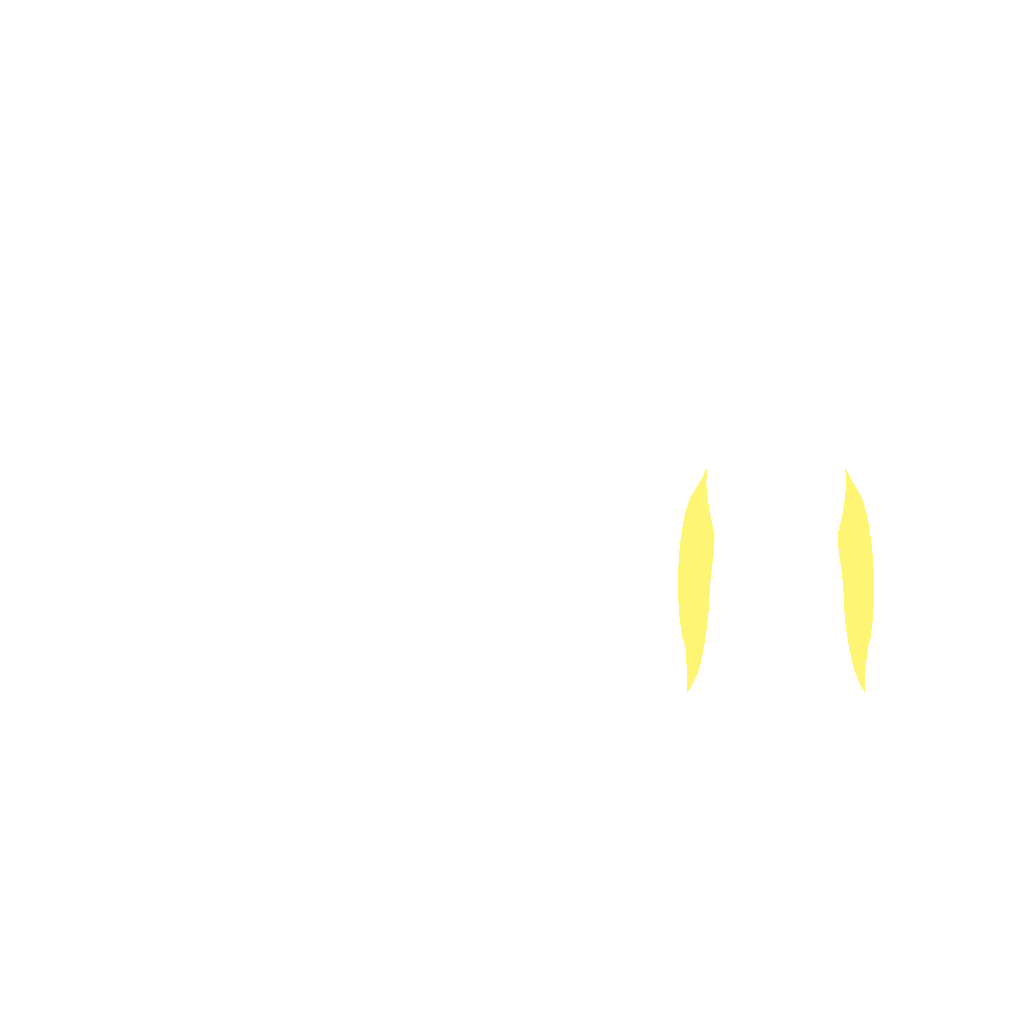
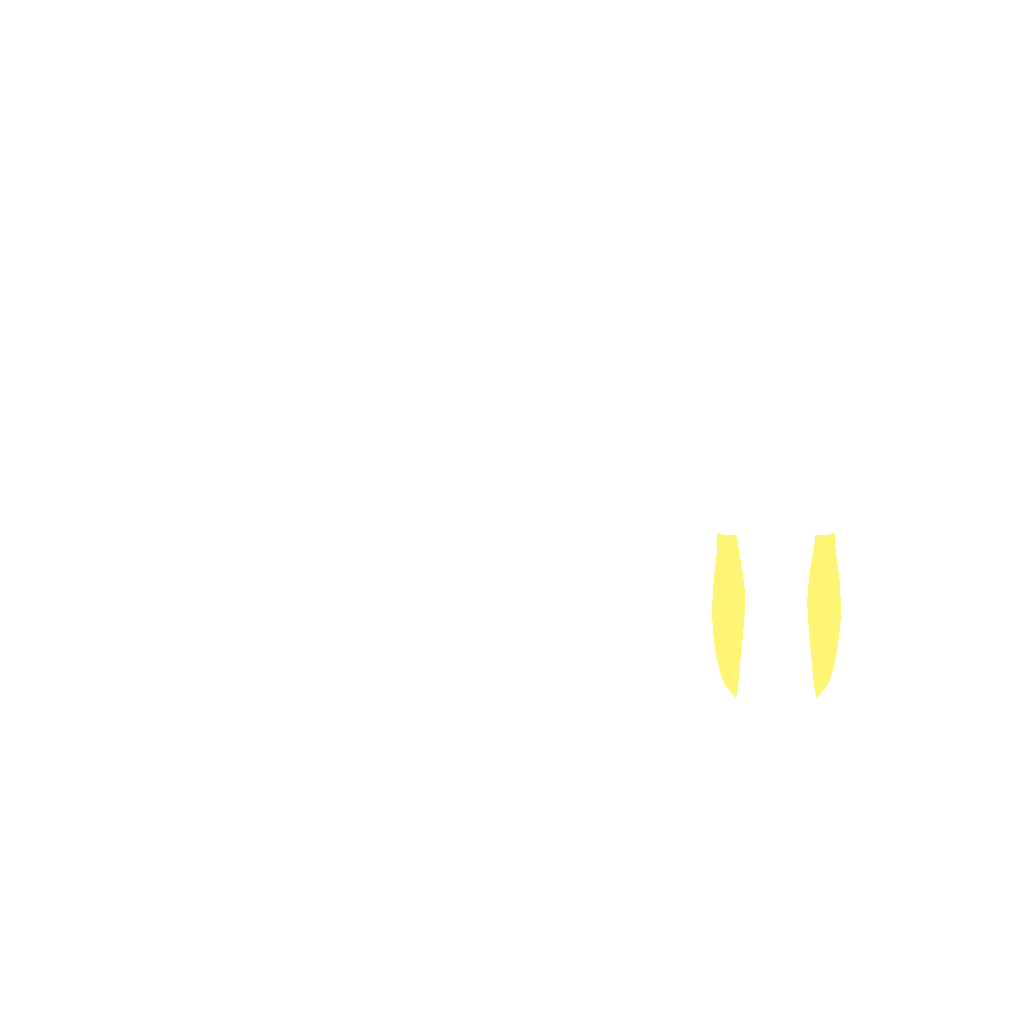




- Target
- Rectus Femoris, Vastus Lateralis
- Secondary
- Gluteus Maximus, Adductor Magnus
- Tertiary
- Erector Spinae, Biceps Femoris, Semitendinosus
How to do it
- 1
Set the rack so the bar sits at mid-chest height and step under it, resting the bar across the upper traps.
- 2
Grip just outside the shoulders, pull the elbows down, and lift the chest to create a shelf of muscle for the bar.
- 3
Unrack by standing tall, take two or three short steps back, and set your feet shoulder-width with toes slightly out.
- 4
Take a big breath into the belly, brace the core, and break at the hips and knees together.
- 5
Descend until the hip crease drops below the top of the knee, keeping the knees tracking over the toes.
- 6
Drive through the whole foot to stand, exhaling near the top, and reset your breath before the next rep.
Tips
- Keep the bar stacked over mid-foot the entire rep; if it drifts forward you will pitch onto your toes.
- Spread the floor with your feet to keep the knees from caving inward.
- Do not cut depth to add weight; a shallow squat trades quad tension for ego.
Variations
Common mistakes
- Walking the bar out with five or six steps burns energy before the first rep and leaves your stance uneven; two or three short steps are all you need.
- Breathing out at the bottom of the squat softens the trunk right where the spine is loaded most; hold the air from the top of the descent until you are past the sticking point.
- Letting the hips rise faster than the chest out of the hole turns the squat into a good morning and moves the load onto the lower back; chest and hips should rise together.
- Letting the elbows drift back behind you drops the chest and shifts the weight of the bar into your wrists; pull the elbows down under the bar so the traps carry it.
- Relaxing at the bottom and bouncing out of depth sends the load through the knee joint instead of the muscles; reverse the rep under tension.
Frequently asked
- How many sets and reps should you squat when you are new to the exercise?
- Three sets of 5 reps, twice a week, is a proven starting point. Spend the first weeks with an empty bar or a light load, working on hitting depth with the knees tracking over the toes, then add about 2.5 kg (5 lb) per session while the reps stay clean and move to weekly jumps once that stalls. Squat inside a rack with the safety pins set just below your bottom position so you can dump a missed rep.
- What can I do instead of a back squat with no barbell or rack?
- The goblet squat, holding a dumbbell or kettlebell at your chest, trains the same pattern and the front load actually helps you stay upright. Bulgarian split squats with dumbbells load one leg at a time and get you close to the same effort with a fraction of the weight. With nothing at all, heel-elevated bodyweight squats with a slow three-second descent still build the quads.
- What is the high-bar back squat good for and who should skip it?
- It is the main builder for quad size and whole-body strength, and the more upright torso keeps the load off the lower back compared with a low-bar squat. It asks a lot of ankle, hip, and upper-back mobility, so if you cannot reach depth without the lower back rounding or the heels lifting, use goblet squats or the leg press while you work on that. It is also a poor pick as a last exercise, when you are too tired to hold position under the bar.
Related exercises
Other movements among FitRay's 2,000+ exercises that load the same target muscle — same equipment and level first.