Bear Crawl
The bear crawl looks simple but quickly turns into serious conditioning, taxing the shoulders, triceps, and the deep core that fights rotation as you move. Keeping the knees hovering just off the floor forces constant trunk tension. It builds coordination and full-body stability and works great as a floor-space finisher or circuit piece.
- Equipment
- Body Weight
- Type
- Cardio, Functional
- Browse by muscle
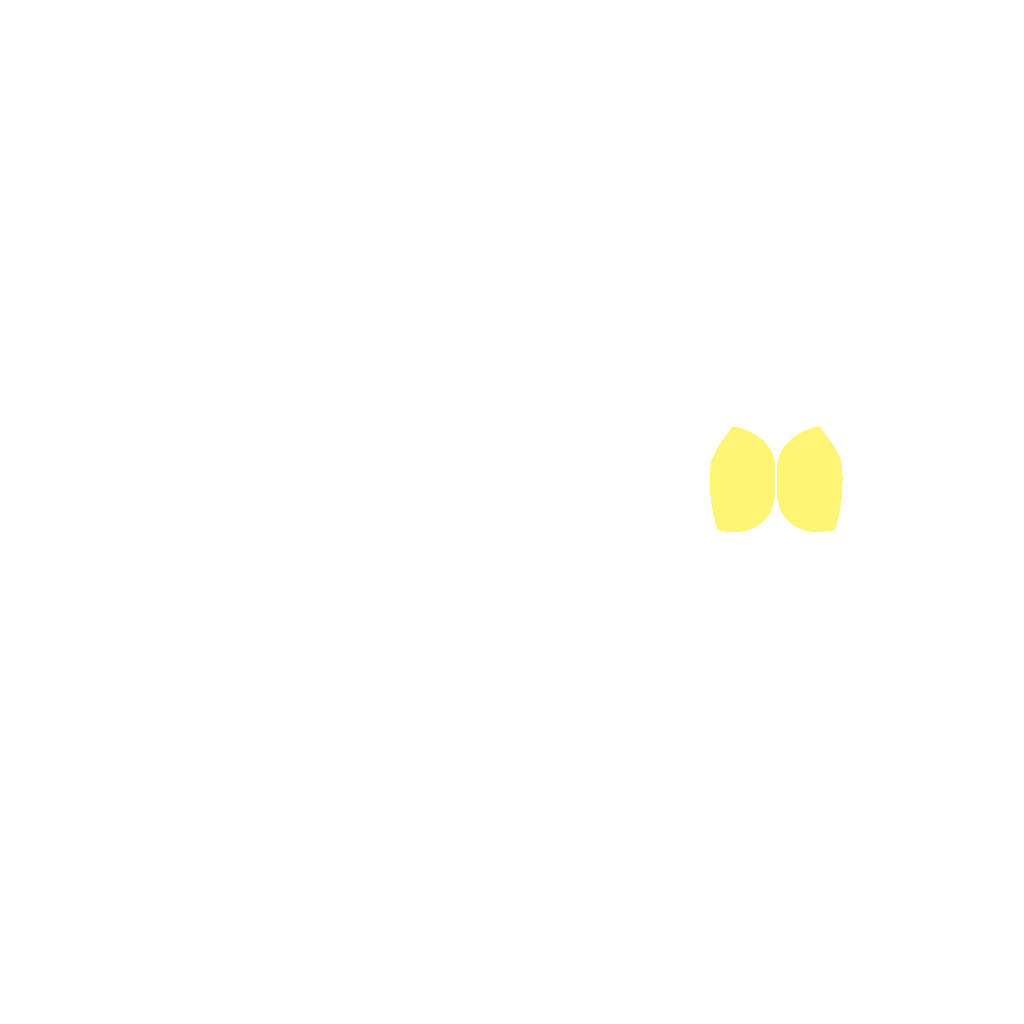
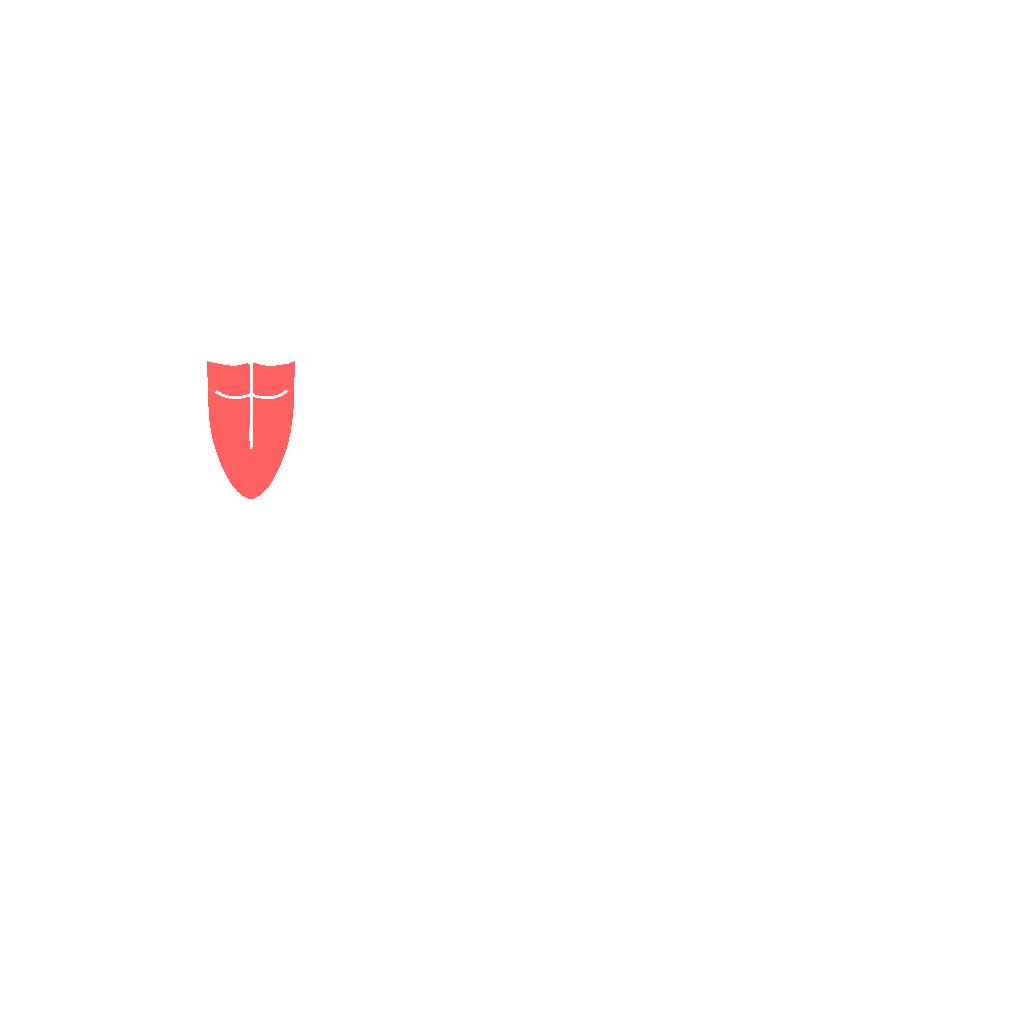
- Deltoid Anterior, Upper Rectus Abdominals, Lower Rectus Abdominals












- Target
- Deltoid Anterior, Upper Rectus Abdominals, Lower Rectus Abdominals
- Secondary
- Abdominal External Oblique, Triceps Brachii Long Head, Triceps Brachii Lateral Head, Triceps Brachii Medial Head, Rectus Femoris, Vastus Lateralis
- Tertiary
- Pectoralis Major Sternocostal, Erector Spinae, Gluteus Maximus
How to do it
- 1
Set up on hands and toes with knees bent and hovering just off the floor.
- 2
Keep a flat back with hips at roughly shoulder height.
- 3
Move the opposite hand and foot forward together a short step.
- 4
Follow with the other hand and foot, staying low and controlled.
- 5
Keep the knees close to the ground and the hips steady, resisting any twist.
- 6
Crawl forward for the set distance, then reverse or reset.
Tips
- Keep the knees hovering an inch off the floor; letting them drop removes the core demand.
- Move opposite hand and foot together to stay balanced and minimize hip sway.
- Keep the hips low and flat rather than letting them pop up toward the ceiling.
Variations
Common mistakes
- The lead hand reaches out far ahead of the shoulder instead of taking a short step, shifting weight forward onto the wrists and shoulders all at once.
- The low back sags toward the floor between steps instead of staying flat, turning a core drill into a slow crawl with a compromised spine.
- The breath gets held through several steps at a time instead of flowing steadily, spiking tension in the neck and shoulders that has nothing to do with the crawl.
- Racing through the crawl for distance instead of taking short, controlled steps turns the drill into a scramble and lets the hips creep up as speed increases.
Frequently asked
- How far should you bear crawl when you are new to the exercise?
- Start with 3 to 4 sets of 10 to 15 yards, resting about a minute between sets, moving slowly enough to keep the knees hovering and the hips level the whole way. Add distance before you add speed, since speed is what usually breaks the position down first.
- What can you do instead of the bear crawl to make it easier or harder?
- Dropping the knees to the floor between short crawling bursts, or crawling backward slower, makes it easier while you build shoulder and core endurance. Adding a shoulder tap after every few steps, or crawling with a light plate on your back, raises the anti-rotation demand once the basic pattern feels solid.
- What is the bear crawl good for?
- It builds shoulder, triceps, and deep core endurance along with coordination between opposite limbs, which makes it a good floor-space conditioning finisher or circuit piece. It is a poor choice if you have a wrist injury or significant shoulder pain, since your body weight rests directly on the hands for the entire set.
Related exercises
Other movements among FitRay's 2,000+ exercises that load the same target muscle — same equipment and level first.