Tripod Headstand
Tripod headstand teaches you to carry an inversion through the arms rather than dumping load onto the head and neck. The bent-elbow tripod gives a wide, forgiving base, so it is a smart first full headstand and a foundation for arm-balance-to-inversion transitions. Train it near a wall until the balance is automatic, and treat active pressing through the hands as non-negotiable.
- Equipment
- Body Weight
- Type
- Balance, Strength, Yoga
- Browse by muscle
- Deltoid Anterior, Triceps Brachii Long Head, Splenius
- Browse by movement
- Core Brace











- Target
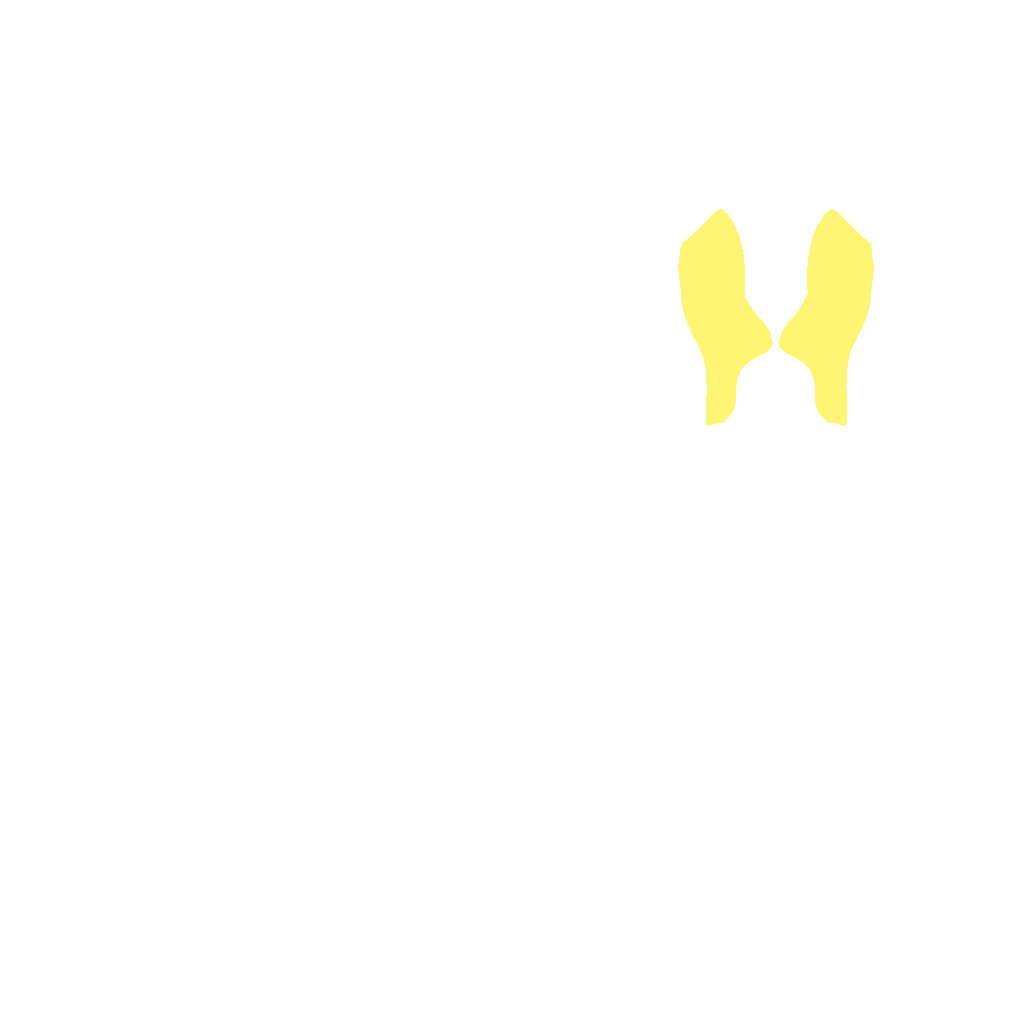
- Deltoid Anterior, Triceps Brachii Long Head, Splenius
- Secondary
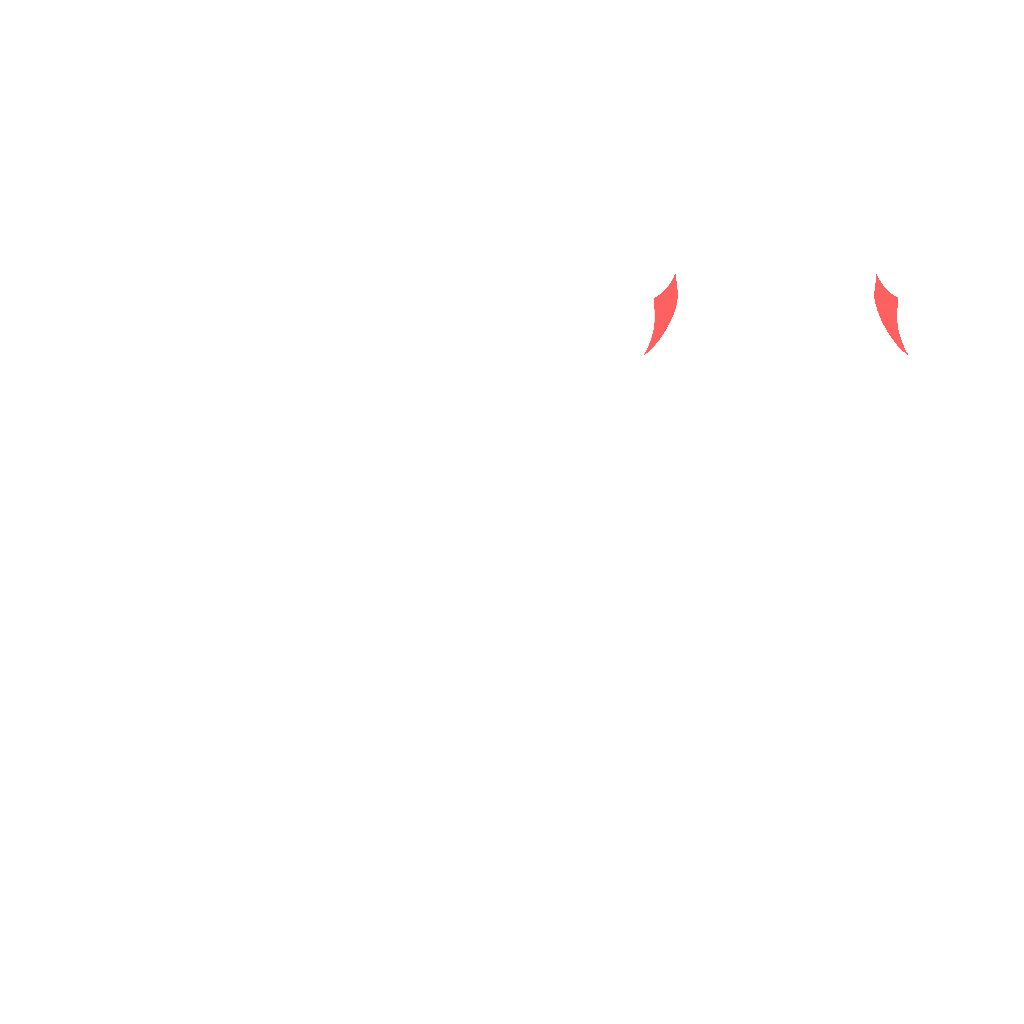
- Trapezius Upper, Upper Rectus Abdominals, Lower Rectus Abdominals, Erector Spinae
- Tertiary
- Abdominal External Oblique, Sternocleidomastoid, Latissimus Dorsi
How to do it
- 1
Kneel and place the crown of your head on the mat, then set both hands shoulder-width apart on the floor between your head and your knees, about a forearm's length from the head, so head and hands make a triangle.
- 2
Bend the elbows to roughly ninety degrees and stack them directly over the wrists.
- 3
Press firmly into both hands to lighten the head, then walk your feet in until the hips stack over the shoulders.
- 4
Draw one knee at a time onto the shelf of the upper arms, or lift both knees together, keeping the core braced.
- 5
Extend the legs slowly toward the ceiling, reaching through the heels with ribs knitted in.
- 6
Hold with steady breathing, then lower with control by folding at the hips and returning the feet to the floor.
Tips
- Keep about seventy percent of your weight in the hands and only a light contact through the crown to protect the cervical spine.
- Never turn or twist your head once you are inverted, and come down immediately if you feel any neck pinching or strain.
- Actively push the floor away and lift the shoulders away from the ears to create space, rather than sinking into the neck.
- Practice with your triangle a few inches from a wall so a loss of balance meets the wall, not a crash.
- Skip this pose if you have neck injury, uncontrolled high blood pressure, glaucoma, or are in later pregnancy.
Variations
Common mistakes
- The hands sit level with the head rather than a forearm's length back toward the knees, so there is no triangle and no base to press into; head and hands should make a wide, even shape on the mat.
- Elbows drift wider than the wrists as the legs travel up, which collapses the shelf the knees rest on and sends the load straight down into the crown.
- The crown is placed too far forward, up near the hairline, so the neck ends up bent and the balance point sits somewhere behind you.
- Kicking hard to get upside down overshoots the stack and usually ends in a fall onto the back, when walking the feet in and lifting the knees arrives there with no drama.
- Legs shoot up together before the hips are over the shoulders, so the stack is never found and the whole shape hinges around the neck instead.
- Coming down by flopping the feet to the floor loads the neck at the worst possible moment; fold at the hips and lower the same way you came up.
Frequently asked
- How long should you hold the tripod headstand when you are new to the exercise?
- Work in short holds rather than long ones: 3 to 5 attempts of 10 to 20 seconds with the legs extended, resting a minute between them, and end each hold while the arms are still pressing hard rather than when they give out. Build toward a comfortable minute before you think about balancing away from a wall. If the neck registers anything at all, come down and put the time into Dolphin Pose and the knees-on-arms tuck stage instead.
- How do you make the tripod headstand easier or harder?
- Easier: stay in the knees-on-upper-arms tuck without extending the legs at all, or lift one leg and keep the other toe on the floor. Dolphin Pose held for 30 to 45 seconds builds the shoulder strength the full pose runs on. Harder: extend slowly from the tuck with straight legs, take the legs into a straddle, or lower and lift again without the feet touching down. Adding time is the safest progression, since the load sits so close to the neck.
- What is the tripod headstand good for, and who should not do it?
- It teaches you to carry an inversion through the arms rather than the head, builds shoulder and trunk stability, and opens the door to arm-balance-to-inversion transitions, so it suits an intermediate yoga or calisthenics practitioner. For pure shoulder work a forearm stand does more, because the head shares none of the load. It is the wrong pose if a doctor has flagged your neck, blood pressure or eyes, and a poor choice at the end of a long session, when tired arms stop pressing and the neck quietly picks up the difference.
Related exercises
Other movements among FitRay's 2,000+ exercises that load the same target muscle — same equipment and level first.
- IntermediateForward Beast CrawlBody Weight · Abs · Shoulder
- IntermediateWall Forearm StandBody Weight · Shoulder
- IntermediateBackward Beast CrawlBody Weight · Abs · Shoulder
- IntermediateElephant Trunk PoseBody Weight · Abs · Shoulder
- IntermediateInchworm to BeastBody Weight · Abs · Shoulder
- IntermediateLoaded Beast ReachBody Weight · Abs · Shoulder