Block Pull
Resting the plates on blocks or pins starts the bar above the floor, cutting the range so you can handle heavier loads and drill the top half of the pull. It emphasizes the hips and lockout while sparing the deepest, most demanding position. A smart way to build confidence with big weight and to bring up a weak finish on the deadlift.
- Equipment
- Barbell
- Type
- Strength
- Browse by muscle
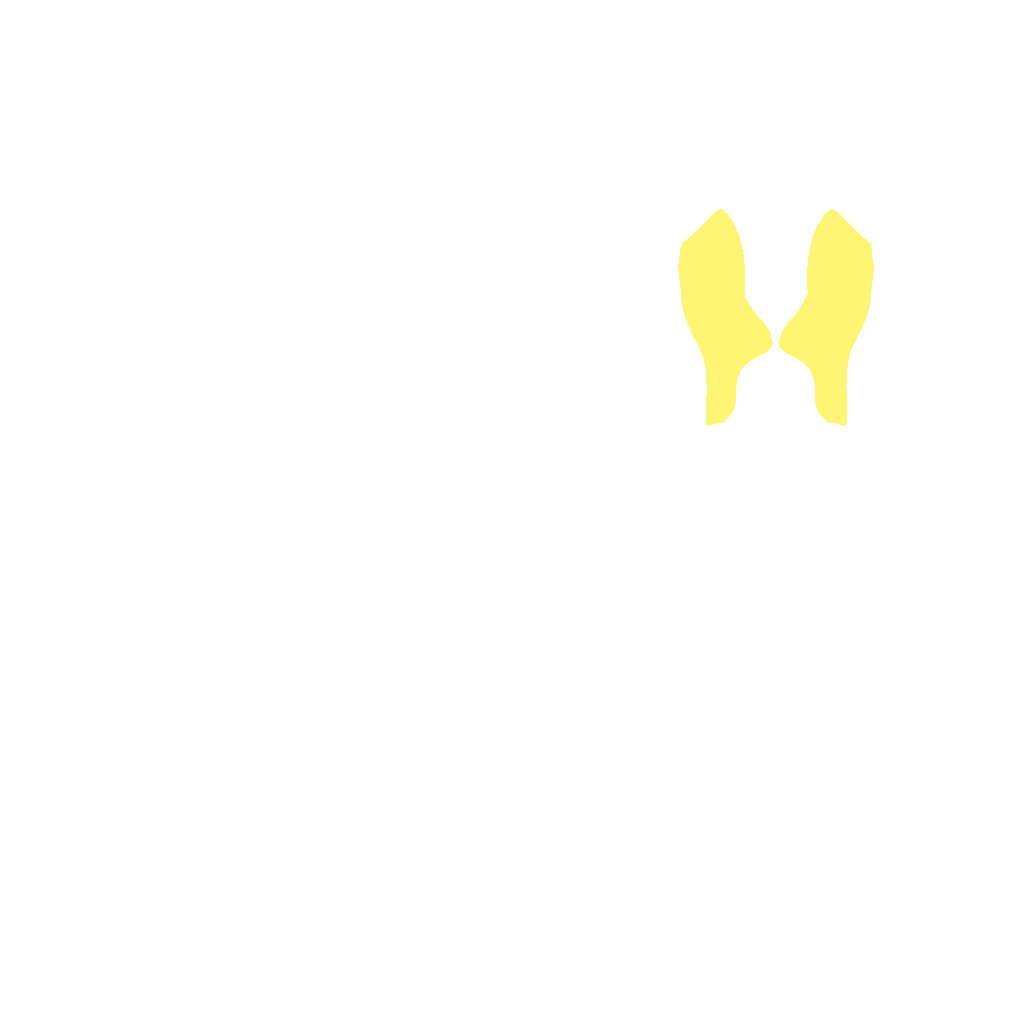
- Gluteus Maximus, Biceps Femoris, Semitendinosus, Erector Spinae
- Browse by movement
- Hinge










- Target
- Gluteus Maximus, Biceps Femoris, Semitendinosus, Erector Spinae
- Secondary
- Trapezius Upper, Vastus Lateralis
- Tertiary
- Latissimus Dorsi, Trapezius Middle
How to do it
- 1
Set the plates on blocks so the bar rests near knee height or just below.
- 2
Take your normal stance with the bar over mid-foot and grip outside the knees.
- 3
Set a flat back, brace your trunk, and pull the slack out of the bar.
- 4
Drive through the floor and push the hips into the bar as it rises.
- 5
Lock out tall with a firm glute squeeze and knees straight.
- 6
Lower the bar back to the blocks under control and reset each rep.
Tips
- Choose block height to target your sticking point; higher is easier.
- Reset your brace on the blocks between reps rather than bouncing.
- Keep the bar close to the thighs to make the lockout efficient.
Variations
Common mistakes
- The bar starts noticeably in front of the shins instead of over mid-foot since the blocks change the setup position, and that forward start pulls the back into a rounded position before the pull even begins.
- Jumping far past your conventional deadlift weight in one go because the range feels shorter, before the lockout is solid; build toward heavier-than-floor loads in small steps.
- The hips rise well before the shoulders and bar at the start of the pull, since the shorter range from the blocks makes straightening the knees early easy to get away with.
- The knees lock out before the hips finish driving through, leaving the glutes to skip the squeeze a block pull is often used to train.
Frequently asked
- How many sets and reps of the block pull should you do when you are new to the exercise?
- Do 3 to 4 sets of 3 to 5 reps at a weight similar to or slightly above your conventional deadlift, since the shorter range allows a bit more load while you learn the top-half position. Rest 2 to 3 minutes between sets. Reset your brace fully on the blocks between reps rather than bouncing, and raise the weight only once lockout feels sharp and consistent.
- What can replace the block pull without blocks or pins?
- A rack pull, setting the bar on safety pins in a squat rack at the same height, achieves the identical reduced-range pull. Stacking sturdy weight plates under the bar's normal loaded height is a workable improvised version if blocks are not available.
- What is the block pull good for, and who should avoid it?
- It builds hip drive and lockout strength for lifters who already deadlift and want to fix a weak finish, and lets you handle heavier loads with less range. It's a poor choice as a first deadlift variation, since it skips the floor pull entirely and won't teach the setup and first-pull mechanics a beginner needs.
Related exercises
Other movements among FitRay's 2,000+ exercises that load the same target muscle — same equipment and level first.
- IntermediateBarbell Hip ThrustBarbell · Bench · Glutes
- IntermediateBarbell Romanian DeadliftBarbell · Glutes · Hamstring
- IntermediateBanded Barbell Good MorningBand · Barbell · Glutes
- IntermediateBarbell Frog PumpBarbell · Glutes
- IntermediateBarbell Kneeling SquatBarbell · Glutes
- IntermediateBarbell Suitcase DeadliftBarbell · Abs · Glutes