Bosu Squat
Squatting on a Bosu turns a familiar strength move into a stability challenge: the wobbling dome forces the ankle and hip stabilizers to work overtime while the quads and glutes still drive the squat. It is useful for balance and proprioception, though load stays light because the surface limits how much you can push. Keep the reps controlled and the range honest.
- Equipment
- Bosu Ball
- Type
- Balance, Strength
- Browse by muscle
- Rectus Femoris, Vastus Lateralis
- Browse by movement
- Squat








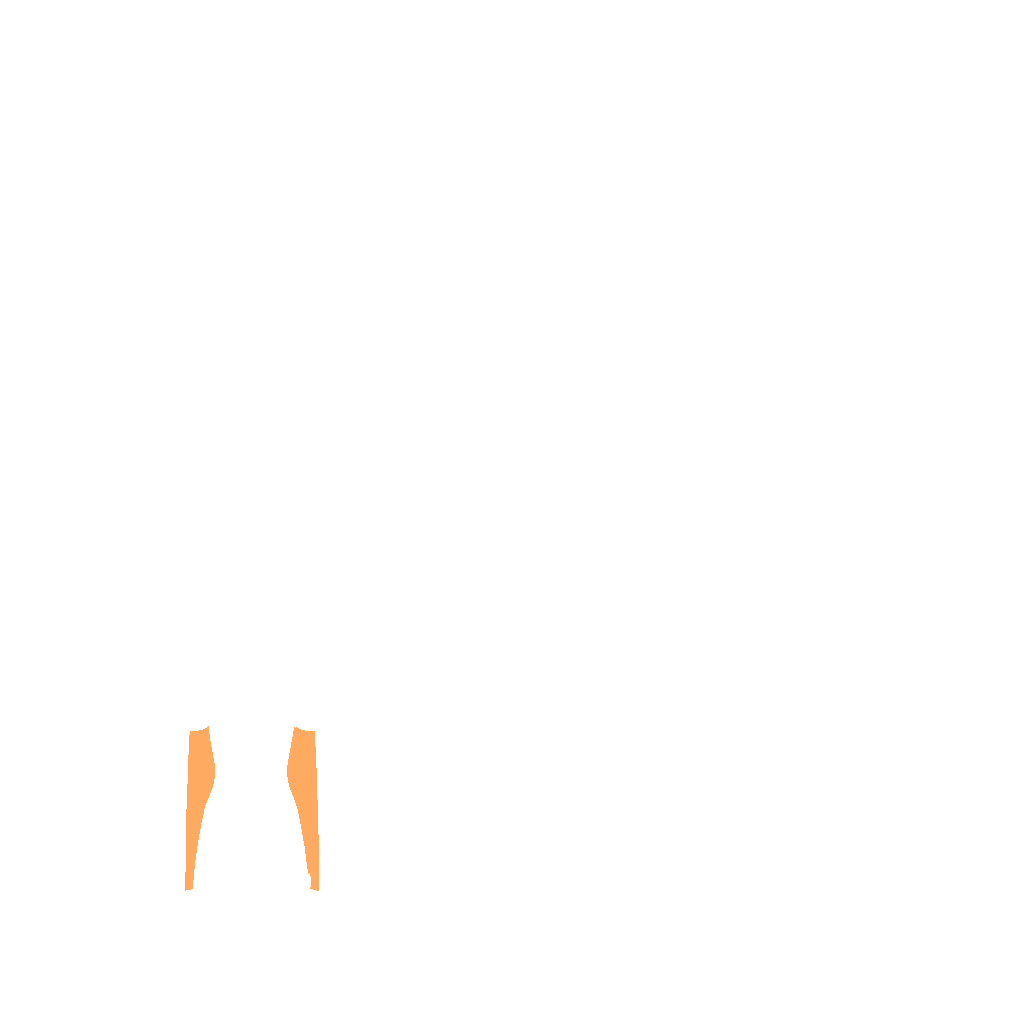


- Target
- Rectus Femoris, Vastus Lateralis
- Secondary
- Gluteus Maximus, Gluteus Medius, Soleus Gastrocnemius
- Tertiary
- Erector Spinae, Biceps Femoris, Fibularis Longus, Tibialis Anterior
How to do it
- 1
Step onto the center of the Bosu dome with the feet about hip-width apart.
- 2
Find your balance and brace the core before moving.
- 3
Bend the knees and sit the hips back into a squat.
- 4
Descend to a depth you can control on the unstable surface.
- 5
Press through the whole foot to stand back up.
- 6
Keep the movement slow and stop if the ankles cannot stabilize.
Tips
- Spread the toes and grip the dome to steady the ankles.
- Prioritize control over depth or speed on the unstable surface.
- Start by simply standing on the Bosu before adding the squat.
Variations
Common mistakes
- Flipping the Bosu and standing on the flat platform with the dome down. That is a far less forgiving drill, and the plastic base can slide out from under you mid-rep.
- Stepping on near the rim rather than the middle of the dome, so it tilts before you have started and you spend the whole set correcting instead of squatting.
- Bringing dumbbells into it. Extra load on a wobbling dome raises the cost of a fall without training anything that a floor squat could not train better and heavier.
- Windmilling the arms to rescue a wobble and carrying on. Each save teaches the ankles nothing; step off, reset your stance and start the rep again.
- Locking the whole body rigid and holding your breath to stay upright. The small ankle and hip corrections are the point of the drill, and stiffening up removes them.
Frequently asked
- How many sets and reps of the Bosu squat should you do when you are new to the exercise?
- Start by standing on the dome for two or three sets of thirty seconds until it stops feeling like an event. Then move to two or three sets of eight to ten slow squats, resting as much as you need, and count only the reps you controlled from top to bottom. Progress by adding a two-second hold at the bottom, then by shifting to a single-leg stance, rather than by adding weight or speed.
- What can I do instead of the Bosu squat if I do not have a Bosu ball?
- Squat on a folded exercise mat, a firm pillow or a rolled towel under each foot; the surface is less dramatic but it asks the same thing of the ankles. Standing on one leg while you brush your teeth builds the same stabilizers with no equipment. For a bigger challenge on flat ground, a slow single-leg squat down to a box trains balance and strength at once, which the Bosu version cannot do.
- What is the Bosu squat good for and who should skip it?
- It is a balance and proprioception drill: the wobbling dome makes the ankle and hip stabilizers work while the legs squat, which is useful in return-to-sport work and for anyone who feels unsteady on their feet. Keep it to light, controlled sets. It is a poor choice for building leg strength or size, because the surface caps how hard you can push, and anyone with a recent ankle sprain or balance problems should do it beside a rail or skip it entirely.
Related exercises
Other movements among FitRay's 2,000+ exercises that load the same target muscle — same equipment and level first.