Cable Hip-Height Rotation
Setting the pulley at hip height keeps the rotation horizontal, matching the plane of a golf swing, punch, or throw. Driven from the hips and stabilized by the obliques, it builds usable rotary strength without loading the spine into flexion or extension. Keep the arms long so the trunk turns the weight, not the shoulders.
- Equipment
- Cables
- Body part
- Abs
- Type
- Functional, Strength
- Browse by muscle
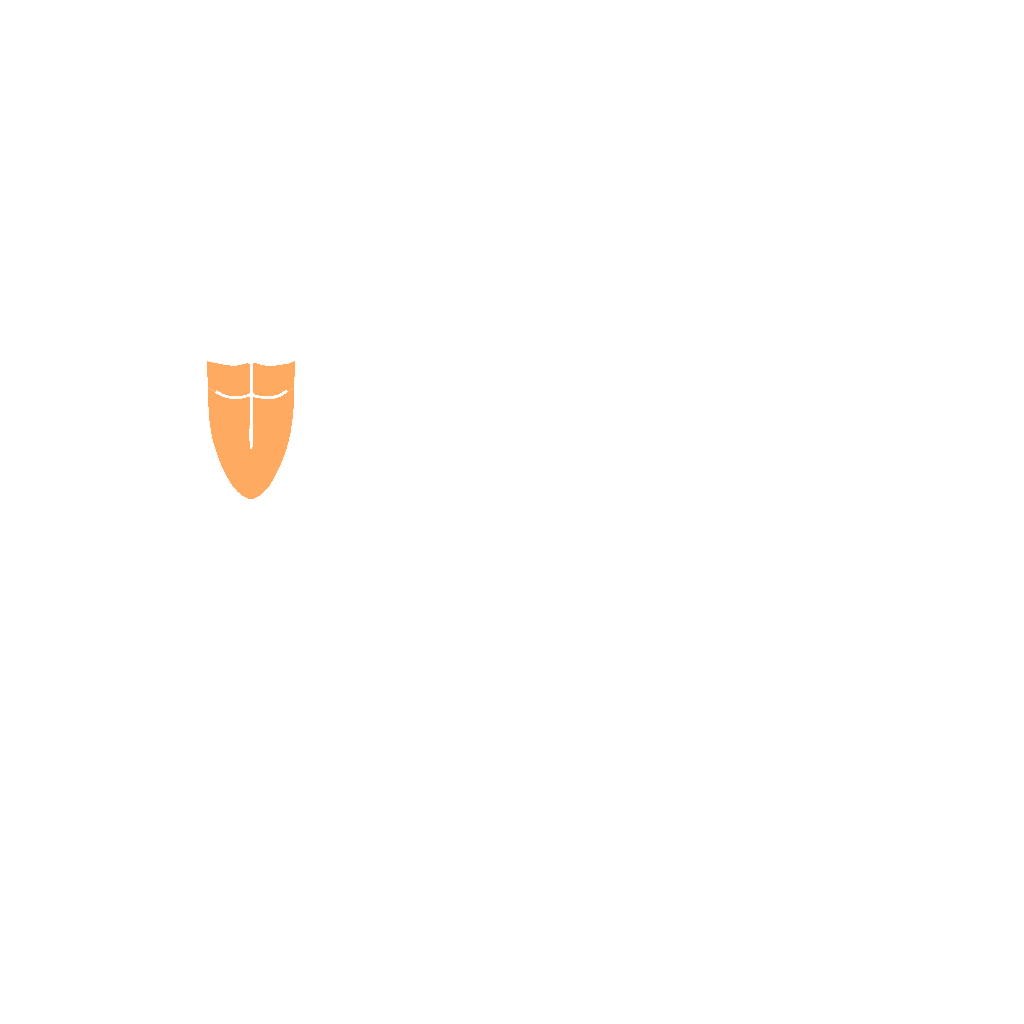
- Abdominal External Oblique
- Browse by movement
- Rotation






- Target
- Abdominal External Oblique
- Secondary
- Upper Rectus Abdominals, Gluteus Maximus
- Tertiary
- Erector Spinae, Deltoid Anterior
How to do it
- 1
Set the pulley to hip height and grip the handle with both hands.
- 2
Stand side-on to the stack, feet hip-width, arms extended toward the pulley.
- 3
Brace the core and rotate the trunk away from the stack, sweeping the handle across your belt line.
- 4
Let the near heel pivot so the hips turn fully with the rotation.
- 5
Control the handle back to the start, resisting the pull without twisting off balance.
- 6
Complete the reps, then face the other way and repeat.
Tips
- Rotate from the hips and mid-trunk rather than yanking with straight arms.
- Keep the handle traveling level, tracing a line around your waist.
- Stay tall and avoid leaning away from the stack to cheat the load.
Variations
Common mistakes
- The back heel stays glued to the floor, so rotation gets forced from the lower spine instead of the hips the movement is meant to train.
- Chasing speed across the belt line turns a rotational-power drill into a wild swing, and control disappears exactly where the obliques should be working hardest.
- The return trip snaps back past the belt line instead of stopping there, letting the cable yank the shoulder instead of the trunk absorbing it.
- A stance set too far from the pulley pulls the arms fully straight, and the shoulders end up rotating the load instead of the hips.
Frequently asked
- How many rounds of the cable hip-height rotation should you build up to per side when you are new to the exercise?
- Build toward 2 sets of 10 to 12 reps per side, resting 45 seconds between sides, using a weight light enough to keep the arms nearly straight without yanking. Let the heel pivot fully on every rep before you worry about rep count at all, since a rotation forced from the lower back defeats the purpose regardless of how many reps you finish. Add reps up to about 15 before you ever add load.
- What can you use instead of a cable machine for the hip-height rotation?
- A resistance band anchored at hip height to a rack or sturdy post gives the same horizontal rotational pull. A medicine ball rotational throw against a wall trains a similar hip-driven rotation if you have one, though it adds a power element the cable version does not. Either substitute should let the pull travel level across your waistline the same way the cable does.
- Who benefits from the cable hip-height rotation, and when should it be skipped?
- It builds rotary power in the same horizontal plane as a golf swing, a punch, or a throw, which makes it a strong choice for rotational-sport athletes and anyone wanting usable core strength beyond static bracing. It is not the right pick if you are managing an acute lower-back injury, since loaded rotation is one of the higher-risk patterns for an irritated spine. General hypertrophy lifters can skip it too, since the loads involved rarely get heavy enough to drive much muscle growth.
Related exercises
Other movements among FitRay's 2,000+ exercises that load the same target muscle — same equipment and level first.
- IntermediateHalf-Kneeling Cable LiftCables · Abs
- IntermediateCable LiftCables · Abs · Shoulder
- IntermediateCable Reverse Lunge with RotationCables · Abs · Quads
- IntermediateCable Reverse WoodchopperCables · Abs
- IntermediateCable Rotational PressCables · Abs · Chest
- IntermediateCable Rotational RowCables · Back · Lats